

The traditional model of education—a lecturer at the front of a room, rows of students listening passively—is undergoing a radical transformation. Across the globe, from grassroots community initiatives in India to high-stakes corporate boardrooms, a new paradigm is taking root: the skill-sharing circle. This peer-to-peer learning movement recognizes that knowledge is not a static commodity to be handed down from an expert, but a dynamic, circular resource that thrives when shared among equals. By decentralizing education, peer-to-peer learning creates environments where every participant is both a teacher and a student, fostering a culture of collaborative growth that extends far beyond the four walls of a classroom.
The Mechanics of Peer-to-Peer Learning
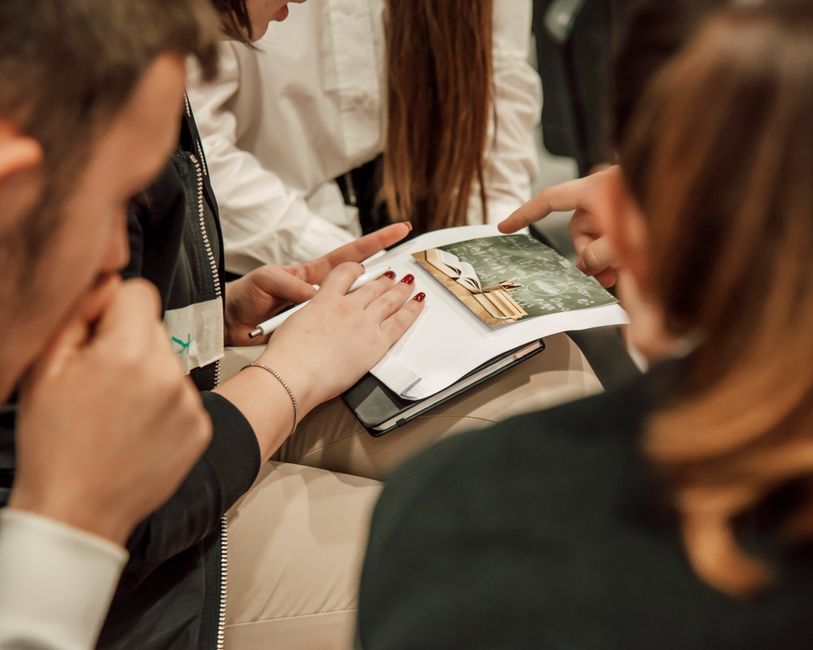
At its core, the peer learning method is built on the premise that individuals who share similar contexts, challenges, and goals can often teach one another more effectively than an external authority figure. Whether it is a group of youth in a village teaching each other [digital](https://t10family.com/en/digital-minimalism-in-schools-reclaiming-student-focus/) literacy or a team of managers refining their coaching skills, the process relies on shared accountability and immediate application.
Peer Learning Activities and Structures
Effective peer learning is not merely about casual conversation; it requires structure. Initiatives like SproutED’s Mind Map model demonstrate [how to](https://t10family.com/en/how-to-support-students-dealing-with-eco-anxiety-education-guide/) turn informal groups into powerful learning engines. By mapping out what participants already know and what they aspire to learn, these groups create a visual roadmap that facilitates seamless skill matching. In professional settings, skill circles utilize a more rigid but equally effective approach: small cohorts of eight to ten individuals meeting consistently to tackle specific, real-world business hurdles. These sessions typically involve structured breakout activities where participants exchange perspectives on live challenges, followed by a debrief to synthesize practical takeaways.
The Value Proposition: Why Peer Learning Works

The peer learning benefits are extensive, touching on both psychological engagement and tangible skill acquisition. Unlike top-down instruction, which can feel disconnected from reality, peer-based models prioritize relevance. When learners address problems they are currently facing—such as a student learning to garden to support their family or a professional learning to manage a team conflict—the motivation to succeed is significantly higher.
Peer Learning Advantages and Disadvantages
Understanding the balance of this approach is essential for anyone looking to implement it. Below is a breakdown of the pros and cons associated with peer-driven education.
| Aspect | Advantages | Disadvantages |
|---|---|---|
| Engagement | High; participants feel seen and heard. | Can suffer if group dynamics are poor. |
| Relevance | Immediate application to real-world issues. | Requires clear focus to avoid going off-track. |
| Scalability | Organic, low-cost, and easily replicable. | Harder to maintain quality at scale. |
| Accessibility | Democratizes knowledge regardless of status. | Relies on the availability of peer mentors. |
The primary advantage is the creation of a safe, non-judgmental space where learners feel comfortable making mistakes. However, the peer learning disadvantages often stem from a lack of facilitation. Without a guiding framework—like a starter kit or a clear goal—circles can lose their momentum. Success depends on the maturity of the participants and the quality of the collaborative environment.
Implementing Your Own Skill-Sharing Circle
You do not need a degree or a formal institution to start a learning circle. Whether you are in a school, a workplace, or a neighborhood, the steps to launch are straightforward. First, identify your cohort. Diversity is a significant asset; aim for a mix of ages, backgrounds, and skill sets to ensure a rich exchange of ideas. Second, choose your space. It does not need to be a classroom; a park, a community center, or a digital chat group works perfectly well as long as it is inclusive.
Once the circle is formed, the most important step is the initial mapping. Ask each participant to contribute one skill they possess and one skill they wish to acquire. This simple exercise builds the foundation for your sessions. If you are starting a professional circle, focus on “application over attendance.” Ensure that every session ends with a commitment to apply a new behavior or knowledge point in the real world before the next meeting.
Frequently Asked Questions
What is Eric Mazur’s peer instruction method?
Developed by Harvard physicist Eric Mazur, this peer teaching definition involves a specific pedagogical cycle: the instructor poses a conceptual question, students think about it individually, then discuss their answers with neighbors (peer-to-peer), and finally revote. This method leverages the fact that students often grasp difficult concepts better when explained by a peer who has recently navigated the same learning hurdle.
What is Vygotsky’s theory of collaborative learning?
Lev Vygotsky’s theory centers on the Zone of Proximal Development (ZPD). He argued that learners perform best when guided by a “More Knowledgeable Other” (MKO). In the context of peer learning, this suggests that students can achieve higher levels of cognitive development through collaborative interaction with peers who possess slightly more expertise, rather than relying solely on a teacher.
What is peer-to-peer learning in the classroom?
Peer-to-peer learning in the classroom shifts the dynamic from a teacher-centered model to a student-centered one. It involves peer learning examples such as group projects, reciprocal teaching, and study circles. In this setting, the teacher acts more as a facilitator or mentor, while the students take responsibility for the learning process through dialogue, debate, and collaborative problem-solving.
What are the benefits of peer-to-peer learning?
The benefits include increased critical thinking, improved communication skills, and a deeper understanding of the subject matter through teaching it to others. Because peer learning is often grounded in shared experiences, it builds a sense of community and empathy that standard instructional methods often lack. It also helps address skill gaps quickly by focusing on practical, actionable knowledge.
Conclusion
The rise of skill-sharing circles signals a promising shift in how we view knowledge. By embracing the peer peer exchange model, we break down the barriers that have historically kept education locked inside ivory towers or rigid institutional structures. Whether it is a grassroots initiative bringing education to underserved communities or a corporate strategy to boost talent development, the principle remains the same: we are stronger when we learn together. By fostering these circles, we do more than just swap skills; we build a resilient, collaborative culture where every individual has the agency to teach and the humility to learn. As you look to your own community or workplace, remember that the most valuable resource you have is the person sitting right next to you.