
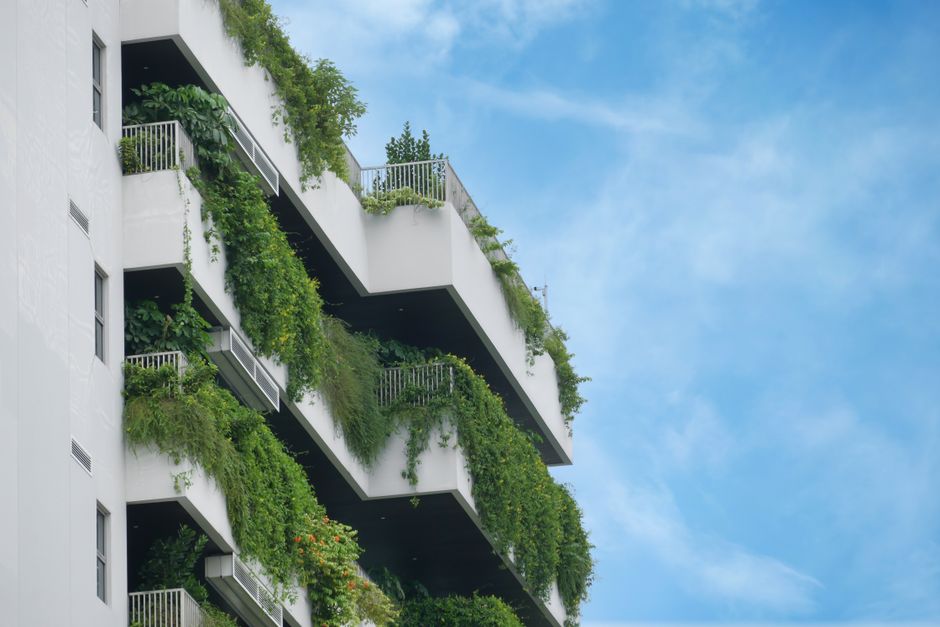
For city dwellers, the dream of a lush, productive garden often clashes with the reality of limited square footage. However, the rise of vertical gardening has transformed the way we view our living environments, proving that you do not need a sprawling backyard to cultivate a thriving harvest. By shifting our focus from horizontal floor space to the untapped potential of our walls and windows, we can turn even the most compact urban apartment into a high-yield sanctuary. This design-forward approach to horticulture is not merely about aesthetics; it is a strategic method to maximize production, improve indoor air quality, and reconnect with nature within the concrete jungle.
Strategic Planning for Vertical Success

Before installing hardware or purchasing plants, successful urban gardening requires a critical assessment of your apartment’s unique microclimate. Every wall is not created equal, and light is the most precious commodity in an urban dwelling. Begin by mapping the light patterns in your space over the course of a few days. Observe where the direct sunlight hits and where the shadows linger. Most fruiting vegetables require at least six to eight hours of direct light, while leafy greens and many herbs can tolerate partial shade.
Once you understand your light conditions, you must consider the structural integrity of your space. Walls, balcony railings, and ceiling mounts must be capable of supporting the weight of pots, soil, and water. Moisture management is equally vital; ensure that your chosen system includes drainage trays or a self-contained recirculating system to protect your flooring from water damage. By prioritizing these structural and environmental factors, you create a foundation that allows your vertical garden to flourish without compromising the integrity of your home.
Trellised Vegetable Walls: The Traditional Approach

Trellising is perhaps the most accessible entry point for the urban gardener. This method leverages the natural growth habits of vining plants to reclaim floor space. By training crops to grow upward, you prevent them from sprawling across your balcony or floor, which would otherwise consume valuable square footage. This technique is highly effective for crops such as pole beans, snap peas, indeterminate tomatoes, cucumbers, and even small varieties of melons.
Selecting the Right Support
When working in a small apartment, your trellis design should be as functional as it is beautiful. Modular trellis systems, such as expandable wood lattices or tensioned wire grids, allow you to customize your setup to fit specific wall dimensions. For balconies, consider heavy-duty twine or nylon netting secured to the ceiling or railing. This creates a lightweight, nearly invisible support system that allows the foliage to become the focal point of your design. Remember that as plants mature, they gain significant weight; ensure that your trellising is securely anchored to prevent collapse during wind gusts or heavy fruit production.
Vertical Hydroponic Columns: The Modern Solution
For those looking to maximize yield in the smallest possible footprint, vertical hydroponic columns represent the pinnacle of apartment gardening technology. Unlike traditional soil-based methods, hydroponics delivers nutrients directly to the root zone via a circulating water system. Because these systems are soilless, they are significantly cleaner and lighter than traditional pots, making them ideal for indoor settings where dirt and heavy containers are undesirable.
Advantages of Soilless Systems
Hydroponic towers utilize a vertical stack of net cups and foam inserts to hold plants in place. Water, enriched with essential nutrients, is pumped from a base reservoir to the top of the tower, where it trickles down through the roots of each plant before returning to the reservoir. This closed-loop system is incredibly water-efficient, using up to 90 percent less water than traditional soil gardening. Furthermore, because you have precise control over the nutrient solution, you can accelerate growth rates, often resulting in faster harvests of leafy greens, microgreens, and herbs like basil, cilantro, and mint.
Selecting the Right Crops for Your Vertical Setup
Not every plant is suited for vertical growth, so careful selection is required to ensure a successful harvest. When designing your garden, categorize your plants by their growth habit and light requirements to ensure that your vertical arrangement is both efficient and productive.
| Plant Category | Best Vertical Method | Light Requirement |
|---|---|---|
| Leafy Greens (Lettuce, Kale) | Hydroponic Towers | Low to Medium |
| Vining Vegetables (Cucumbers, Peas) | Trellis/Netting | High |
| Herbs (Basil, Mint, Thyme) | Wall-Mounted Pockets/Towers | Medium to High |
| Fruiting Plants (Tomatoes, Peppers) | Staked Vertical Containers | High |
Frequently Asked Questions
What is the 70/30 rule in gardening?
The 70/30 rule is a design principle often used in small-space gardening to balance productivity and maintenance. It suggests that you should dedicate 70 percent of your growing area to high-yield, staple crops that provide consistent harvests—such as lettuce, herbs, or beans—while reserving the remaining 30 percent for experimental or high-maintenance plants. This ensures that your efforts result in a reliable food supply while still allowing space for variety and trial-and-error.
Can I grow vegetables vertically in a small space?
Absolutely. Growing vegetables vertically is the most effective way to maximize production in a small space. By utilizing walls, railings, and vertical towers, you can increase your growing area by several times compared to a traditional flat garden. The key is to choose varieties bred for container or vertical growth, such as “patio” or “bush” varieties, which stay compact while still producing a full-sized crop.
What is the 5, 4, 3, 2:1 gardening method?
This is a simplified planning ratio designed to help urban gardeners manage their limited space effectively. It suggests a hierarchy of plant types: 5 units of fast-growing leafy greens, 4 units of herbs, 3 units of high-yield vining vegetables, 2 units of fruiting crops, and 1 unit of a specialty or experimental plant. This ratio helps prevent the common mistake of overcrowding the space with too many slow-growing or low-yield varieties.
What are the downsides of having a vertical garden?
While vertical gardens are space-efficient, they do have challenges. The primary downside is the increased need for monitoring. Vertical containers have less soil volume than ground beds, which means they dry out faster and require more frequent watering. Additionally, plants in vertical systems are more exposed to airflow, which can increase evaporation. Nutrients can also deplete more quickly, necessitating a consistent fertilization schedule. Finally, weight is a significant factor; you must ensure your walls or balcony can safely support the cumulative weight of wet soil and mature plants.
Conclusion
Maximizing yield in an apartment is an exercise in creativity and precision. By utilizing vertical gardening techniques, you are no longer limited by your floor plan. Whether you opt for the structural simplicity of a trellised vegetable wall or the high-tech efficiency of a hydroponic tower, the ability to grow your own food in a limited space is incredibly rewarding. Success in this environment comes down to understanding your light conditions, selecting the right crops for your chosen system, and staying consistent with your maintenance routine. As you refine your vertical garden, you will find that a small apartment is not a barrier to gardening, but rather a unique canvas for a productive, vibrant, and sustainable urban lifestyle.