
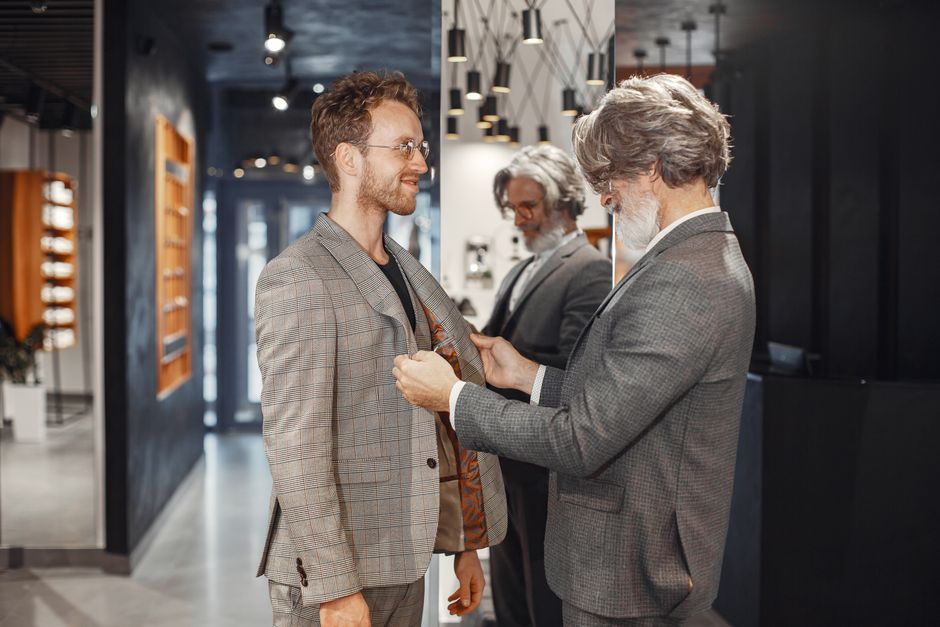
For the modern gentleman, the pursuit of the perfect suit has long been a delicate balance between the time-honored tradition of the tailor’s shop and the convenience of modern retail. Historically, achieving a truly bespoke fit required multiple in-person appointments, weeks of waiting, and a significant investment of both capital and patience. However, we are currently witnessing a seismic shift in the industry. The rise of ‘virtual tailoring’: how AI is disrupting the made-to-measure suit market near Pottsville, PA, and beyond, is transforming a centuries-old craft into a high-tech, data-driven experience. By integrating 3D body scanning, sophisticated AI algorithms, and virtual fitting rooms, the industry is not just making the process faster; it is making the perfect fit accessible to men who previously found traditional custom suiting out of reach.
The Evolution of Custom Menswear

The made-to-measure market is undergoing a period of robust expansion, projected to grow from 3.34 billion dollars in 2025 to nearly 5 billion dollars by 2030. This growth is driven by a renewed interest in formal attire and a demand for personalized, premium fashion experiences. While the traditional tailor remains a vital pillar of the community, digital platforms are bridging the gap for those who value precision but lack the time for traditional consultations. Whether you are searching for the rise of ‘virtual tailoring’: how AI is disrupting the made-to-measure suit market near Tamaqua, PA, or exploring global online options, the core value proposition remains the same: a garment designed specifically for your unique silhouette.
From Tape Measures to 3D Algorithms
The primary innovation fueling this disruption is the shift from manual measurement to digital precision. Traditional tailoring relies heavily on the skill of the individual tailor, which, while artisanal, introduces human error. Modern tools now utilize AI-driven fit algorithms that analyze thousands of data points from a user’s uploaded photos or 3D scans. These systems automatically adjust patterns to account for posture, shoulder slope, and limb length, ensuring that the final garment is as comfortable as it is sharp. This high level of customization is no longer reserved for the luxury houses of Savile Row; it is being democratized through digital interfaces that guide the user through every step of the design process.
Virtual Try-On: Removing the Last Barrier

One of the most significant hurdles to purchasing a custom suit online has always been the inability to visualize the final result. A fabric swatch or a flat digital render rarely conveys how a suit will drape across a specific frame. Virtual fitting technology, often referred to as Virtual Try-On, has emerged as the definitive solution. By allowing users to upload a photo and project their chosen garment onto their own likeness, brands have effectively removed the anxiety associated with online purchasing. This technology provides a realistic preview of how the lapel width, jacket length, and trouser break will look in reality, giving the customer confidence before they confirm their order.
The Benefits of Digital Integration
The integration of digital technology into the bespoke and made-to-measure process offers several distinct advantages for the consumer. First, it significantly reduces lead times. By automating pattern creation, tailors can move directly to the cutting and sewing phase, cutting weeks off the traditional delivery schedule. Second, it creates a permanent digital record of the client’s measurements. Once a profile is established, subsequent orders for shirts, trousers, or blazers can be fulfilled with even greater accuracy, building a digital wardrobe that is perpetually tailored to the client’s current physique.
| Feature | Traditional Tailoring | Virtual Tailoring |
|---|---|---|
| Measurement Method | Manual Tape Measure | 3D Scan/AI Algorithm |
| Turnaround Time | 4 to 8 Weeks | 2 to 4 Weeks |
| Accessibility | In-person Visit Required | Remote/Online Access |
| Visualization | Physical Swatches | Virtual Try-On |
Bridging the Gap: Hybrid Models
While the digital revolution is powerful, the most successful brands are adopting a hybrid model. Even as online sales channels now account for roughly 28 percent of total market revenues, many men still appreciate the tactile experience of feeling fabrics and speaking with a master tailor. This is where the industry is moving toward a seamless integration of online and offline services. A customer might start their journey using a digital fitting tool at home, then visit a local showroom to finalize their fabric choice and verify their measurements with a professional. This approach combines the efficiency of AI with the human touch that defines the true spirit of fashion.
Frequently Asked Questions
Is an AI-generated measurement as accurate as a professional tailor?
AI-driven measurement tools are highly precise, often capturing data points that a human might miss. However, they work best when the user follows instructions carefully. While a master tailor provides a nuanced understanding of how a garment should feel, AI excels at the mathematical precision required for a consistent, high-quality fit. Many modern systems are now so advanced that they rival the accuracy of professional measurements.
Can I still get personal styling advice with virtual tailoring?
Absolutely. Most reputable online tailoring platforms now offer virtual consultations. You can connect with a stylist via video call to discuss fabric choices, lining colors, and style details. This ensures that while the process is digital, the creative guidance remains personal and human-centric.
What happens if the suit does not fit perfectly upon arrival?
Most reputable made-to-measure companies provide a fit guarantee. Because the patterns are created based on your specific digital profile, the vast majority of garments fit perfectly. If minor adjustments are needed, these companies often reimburse the cost of having a local tailor perform the final tweaks, ensuring that you are completely satisfied with the end result.
Is this technology sustainable?
Yes, AI-driven tailoring is inherently more sustainable than traditional mass-market retail. By producing garments only after they are ordered, companies drastically reduce waste associated with unsold inventory. Furthermore, the precision of digital patterns ensures that fabric usage is optimized, minimizing scraps during the cutting process.
Conclusion
The disruption of the made-to-measure market by artificial intelligence is not an indication that the role of the tailor is coming to an end. Rather, it signals an evolution. By embracing these advanced tools, the tailoring industry is becoming more efficient, more accessible, and more precise than ever before. Whether you are looking for the rise of ‘virtual tailoring’: how AI is disrupting the made-to-measure suit market near Pottsville, PA, or simply seeking a more convenient way to refresh your professional wardrobe, [the future of](https://t10family.com/en/the-future-of-luxury-how-digital-fashion-is-redefining-value/) suiting is here. By leveraging the power of AI to handle the technical complexities of measurements and fit, the modern man can focus on what truly matters: expressing his personal style with confidence and ease.