
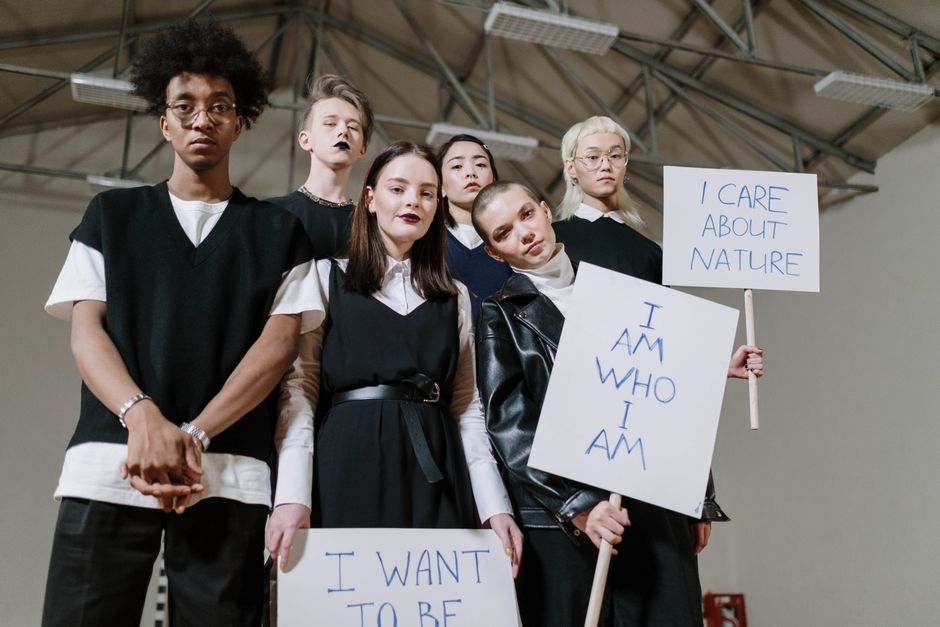
The global fashion landscape is undergoing a tectonic shift, driven by a generation that views personal style as an extension of their values rather than just a reflection of status. As Gen Z and Gen Alpha are rewiring the fashion industry, the traditional dominance of multinational conglomerates is being challenged by a burgeoning movement toward hyper-localism. This transition represents more than a passing trend; it is a fundamental pivot toward authenticity, sustainability, and community-centric commerce. With reports indicating that Gen Z and Gen Alpha set to drive 40 percent of fashion spending by 2035, understanding why these cohorts are turning their backs on global giants in favor of independent designers is critical for any brand looking to survive the next decade.
The Decline of the Global Status Symbol

For decades, the luxury sector relied on the allure of global prestige and the ubiquity of iconic logos. However, the current Gen Z fashion report landscape suggests that this model is losing its efficacy. Younger consumers are increasingly skeptical of mass-produced luxury, viewing it as disconnected from their lived realities. In an era where Gen-Z and fashion in the age of Realism define the market, the aspiration to wear what everyone else is wearing is being replaced by a desire for singular, idiosyncratic pieces that tell a story.
Hyper-localism allows consumers to bypass the sanitized, homogenized aesthetic of global retailers. By purchasing from local independent designers, shoppers are not merely acquiring a garment; they are participating in a creative narrative. This behavior aligns with broader Gen Z online shopping behaviour trends what brands need to know, which emphasize that modern consumers prioritize brand transparency, ethical labor practices, and intimate connections with creators over the perceived prestige of a heritage label.
Sustainability as a Non-Negotiable Pillar

One of the primary drivers of hyper-localism is the urgent need for environmental accountability. Global supply chains, characterized by massive carbon footprints and opaque production cycles, are increasingly viewed as antithetical to the values of environmentally conscious consumers. Research consistently shows that Gen Z prioritizes ethical production, and independent designers are uniquely positioned to meet this demand.
Many independent labels are adopting circular business models that mitigate the waste inherent in traditional fashion systems. The use of made-to-order models is particularly effective in reducing textile waste, ensuring that production remains aligned with actual demand rather than speculative inventory. By keeping production cycles short and local, these designers eliminate the environmental costs associated with long-haul shipping and massive warehouse operations, offering a tangible solution to the climate anxiety that defines much of Gen Z’s worldview.
The Power of Digital Community
The rise of hyper-localism would not be possible without the democratization of discovery provided by social media. Platforms like TikTok and Instagram have effectively dismantled the gatekeeping mechanisms of the fashion industry. Previously, independent designers struggled to gain visibility without the backing of major department stores or editorial gatekeepers. Today, those barriers have been lowered, allowing niche creators to reach global audiences while maintaining a hyper-local design philosophy.
Micro-Influencers and the Validation of Niche Style
The influence of micro-communities on social platforms has been instrumental in shifting style preferences toward independent designers. When a creator showcases a unique, locally made piece, they offer a form of social proof that resonates far more deeply than traditional celebrity endorsements. This peer-to-peer validation is a cornerstone of modern fashion consumption, where the authenticity of the brand-to-consumer relationship is paramount.
Data-Driven Demand for Transparency
As Gen Z fashion statistics continue to highlight, transparency is the new currency. Independent designers leverage [digital](https://t10family.com/en/digital-literacy-for-gen-z-navigating-social-media-healthily/) channels to provide a window into their studio processes, showing the hands that craft the garments and the sourcing of materials. This level of granular detail allows consumers to feel like stakeholders in the production process, further cementing their loyalty to local brands.
Comparing Business Models: Global Giants vs. Independent Designers
| Feature | Global Fashion Giants | Independent Local Designers | |
|---|---|---|---|
| Production Scale | Mass market/Global supply chain | Small-batch/Made-to-order | |
| Environmental Impact | High carbon footprint/High waste | Low impact/Circular focus | |
| Brand Identity | Prestige and status-driven | Authenticity and story-driven | |
| Transparency | Limited/Opaque | High/Radical transparency |
Addressing the Future of Fashion Consumption
How do Gen Z consumers discover independent brands?
Discovery is primarily driven by algorithmic discovery on short-form video platforms and community-based curation on apps like Depop or specialized marketplaces. These platforms allow users to find aesthetic-aligned designers who operate within their specific geographic or stylistic niche, often bypassing traditional search engines entirely.
Is hyper-localism compatible with global growth?
Yes, but it requires a change in philosophy. Successful independent designers are scaling through community building rather than mass-market saturation. By maintaining a hyper-local design philosophy while utilizing digital platforms for distribution, these brands can grow their revenue without sacrificing the ethical and aesthetic standards that attracted their core audience in the first place.
What role does price play in this shift?
While independent fashion is often more expensive than fast fashion, Gen Z consumers are increasingly willing to pay a premium for quality and ethics. The cost-per-wear calculation is becoming a standard metric, with consumers preferring to invest in one high-quality, ethically produced garment over five disposable items from a global conglomerate.
Conclusion
The shift toward hyper-localism is a clear indicator that the fashion industry is entering a new era. As Gen Z and Gen Alpha are rewiring the fashion industry, the focus is moving away from the ephemeral allure of global brands toward the substance of local craft. This transition is not merely a rejection of the old guard; it is the construction of a new, more sustainable, and deeply personal framework for fashion. For legacy labels and emerging designers alike, the message is clear: in the age of realism, the brands that win will be those that can prove their value through transparency, environmental stewardship, and a genuine connection to the communities they serve. As these demographics continue to drive the majority of industry spending, hyper-localism will evolve from a niche interest into the dominant standard for the future of style.