

The image of the stoic, distant patriarch is rapidly fading into the rearview mirror of history. In its place, a new archetype is emerging: the emotionally intelligent, present, and nurturing dad. This shift, often described as gentle masculinity, is not about the erosion of strength, but rather the expansion of what it means to be a man. As societal expectations evolve and the domestic landscape changes, the process of redefining what it means to be a father has become a vital project for modern men. This is not a retreat from traditional values, but an evolution—a move toward a version of masculinity that prizes connection as much as provision.
The Evolution of the Involved Parent
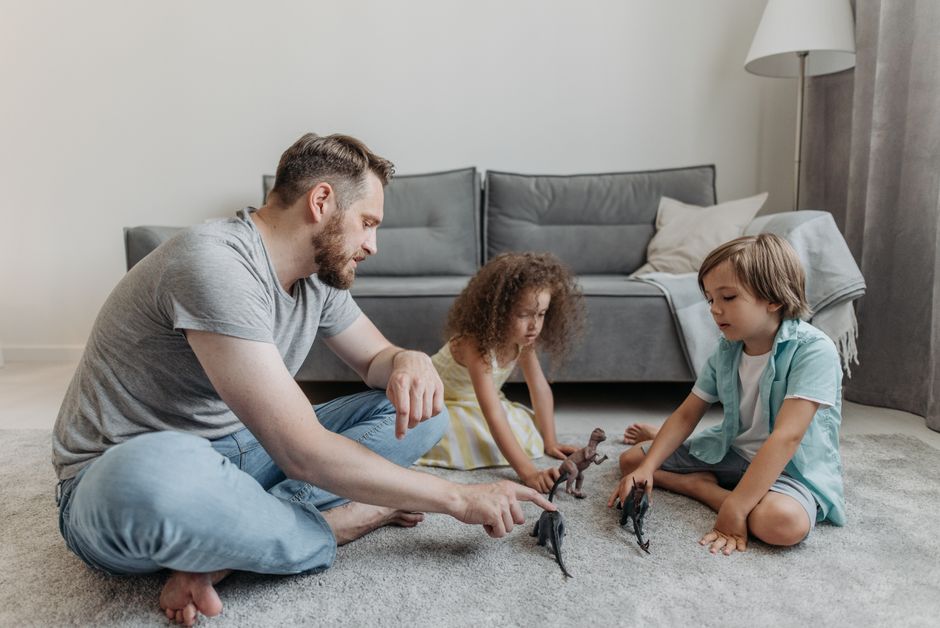
For decades, the role of the father was largely confined to the breadwinner model. Men were expected to provide financial security while emotional labor and daily childcare were relegated to mothers. However, data from the Pew Research Center and the Bureau of Labor Statistics reveals a profound transformation: modern fathers are spending three times as much time on childcare as their counterparts did in the 1960s. This is not merely a statistical curiosity; it represents a fundamental change in the domestic contract.
The rise of the dual-earner household has necessitated a more equitable distribution of domestic labor. As women have entered the workforce in record numbers, men have been invited—and in many cases, required—to step into the home in ways their own fathers never did. This transition is supported by shifting corporate cultures. Research from the Harvard Business Review indicates that extended paternity leave is statistically correlated with higher levels of long-term paternal engagement. When companies treat fatherhood as a professional standard rather than an inconvenience, men are given the space to develop the bond that defines the modern fatherhood experience.
The Science of Emotional Intelligence in Parenting
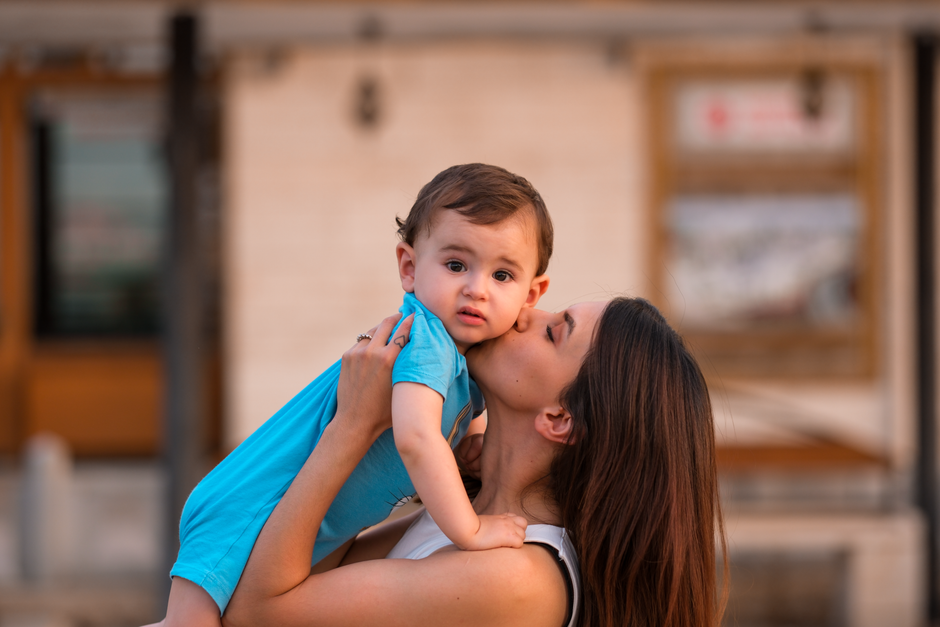
The shift toward involved fatherhood is not just a social trend; it is backed by developmental science. According to the Journal of Family Psychology, active paternal involvement is directly linked to improved cognitive and emotional outcomes for children. When a father engages in emotional regulation, validates a child’s feelings, and participates in the nuance of daily life, he is not just babysitting—he is building the neurological foundations of his child’s future resilience.
Redefining masculinity in this context means recognizing that emotional intelligence is a skill set, not a personality trait. It involves the ability to identify, understand, and manage one’s own emotions, which in turn allows a father to model healthy conflict resolution for his children. By moving away from the “tough it out” mentality, men are discovering that vulnerability is a form of strength that fosters deeper trust. When a father can admit he is tired, frustrated, or uncertain, he teaches his children that these human experiences are valid, manageable, and temporary.
Breaking the Breadwinner-Only Mold
The traditional breadwinner-only model is increasingly viewed as an outdated relic. The Sociological Review highlights that [the rise of](https://t10family.com/en/the-rise-of-intergenerational-co-living-a-modern-family-shift/) dual-earner households has forced a renegotiation of what it means to be a man of the house. This renegotiation is often uncomfortable, as it challenges deeply ingrained cultural scripts about power and identity. However, the benefits of this shift are profound. By sharing the mental load and the physical tasks of household management, men are finding that their identity is no longer tethered solely to their paycheck.
The Benefits of Shared Responsibility
When domestic labor is shared equitably, the entire family unit experiences a reduction in burnout. For the modern man, this translates to a more authentic relationship with his partner. Instead of being a secondary helper, the father becomes an equal architect of the family’s environment. This partnership fosters a more stable, less stressful home life, which is the ultimate goal of redefining fatherhood in the twenty-first century.
| Traditional Model | Modern Involved Model |
|---|---|
| Primary focus: Financial provision | Primary focus: Holistic presence |
| Emotional expression: Limited/Stoic | Emotional expression: Open/Validating |
| Childcare: Secondary/Supportive | Childcare: Core responsibility |
| Identity: Defined by career status | Identity: Defined by relational depth |
Navigating the Challenges of Redefinition
Adopting a more gentle approach to masculinity is not without its hurdles. Many men report feeling caught between two worlds: they want to be present for their families, but they often lack the blueprints from their own childhoods to know [how to](https://t10family.com/en/how-to-build-resilience-in-children-a-guide-for-parents/) execute that vision. The fear of appearing weak or losing authority can hold men back from fully engaging in the emotional labor of parenting. Yet, the most successful fathers today are those who realize that authority is not something you demand, but something you earn through consistent presence and empathy.
It is important to acknowledge that this shift is not about abandoning strength; it is about broadening the definition of it. Protecting one’s family today involves protecting their emotional well-being, their mental health, and their ability to navigate a complex world. This is the new, modern strength.
Frequently Asked Questions
At what age do boys need their father the most?
While the intensity of the need shifts, research suggests that fathers are critical at every stage of development. In early childhood, fathers play a pivotal role in physical play and social exploration. During adolescence, the father’s role shifts toward being a mentor and a steady emotional anchor. There is no single age where a father is “most” needed; rather, the nature of the support evolves from physical care to emotional guidance as the child matures.
What are the 5 P’s of fatherhood?
The 5 P’s—Presence, Provision, Protection, Purpose, and Partnership—represent a modern framework for fathering. While “Provision” and “Protection” are traditional pillars, the modern interpretation emphasizes “Presence” (being mentally and emotionally available), “Purpose” (modeling values and direction), and “Partnership” (working with a co-parent as an equal). This framework helps men balance their traditional duties with the contemporary need for emotional connection.
Is male masculinity declining?
Masculinity is not declining; it is evolving. What is declining is the narrow, restrictive version of masculinity that equates manhood with emotional suppression and dominance. By incorporating emotional intelligence and relational depth, men are not losing their masculinity; they are enhancing it. This shift allows for a more robust and adaptable form of manhood that is better suited to the demands of the modern world.
What are the three P’s of masculinity?
Traditionally, the three P’s of masculinity were defined as Provide, Protect, and Procreate. In the context of redefining masculinity, many modern thinkers suggest replacing these with more relational concepts: Provide (emotional and material), Participate (in the daily lives of those you love), and Promote (the growth and well-being of others). This shift preserves the core intent of the original concepts while updating them for a society that values equity and emotional intelligence.
Conclusion
The movement toward gentle masculinity is a significant step forward for men, families, and society at large. By embracing the full spectrum of their emotional lives, fathers are not just raising better-adjusted children; they are creating healthier, more sustainable lives for themselves. Redefining fatherhood is an ongoing process that requires patience, self-reflection, and the courage to break cycles that no longer serve us. As we continue to prioritize emotional intelligence as a hallmark of masculinity, we pave the way for a future where men are defined not by their ability to stand alone, but by their ability to stand with, for, and alongside their families.