
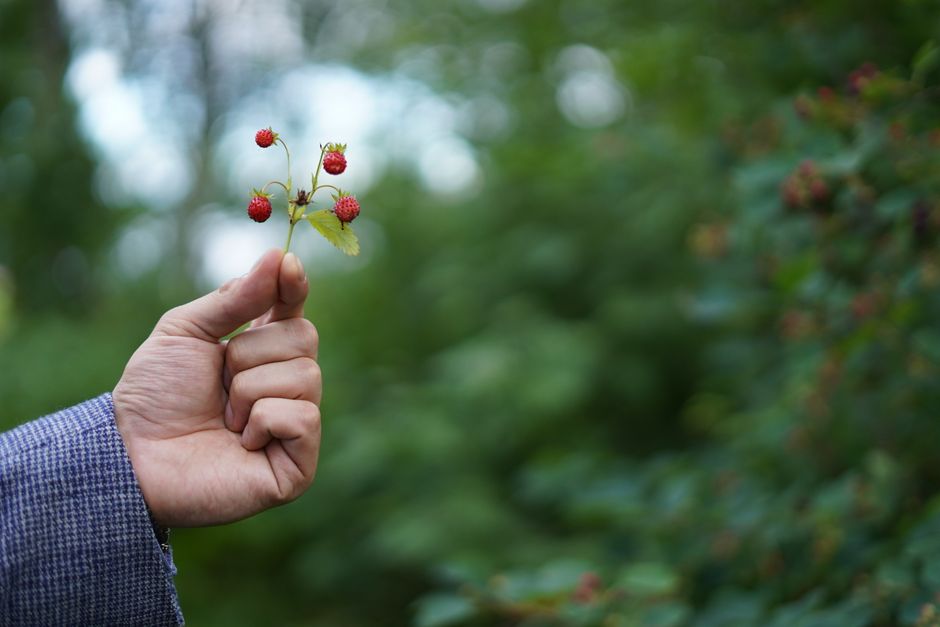
The concrete landscape of a modern city may seem like an unlikely pantry, yet a surprising abundance of edible life thrives in the cracks of sidewalks, the edges of public parks, and the neglected corners of vacant lots. Urban foraging is the practice of identifying and harvesting wild, edible plants within city environments. For the home cook, it offers a unique opportunity to connect with the seasons and source ingredients that are often fresher and more flavorful than those found on supermarket shelves. This guide to urban wildcrafting provides the foundational knowledge necessary to begin your journey safely and sustainably.
The Ethics and Safety of Urban Foraging

Before you pluck your first leaf, you must approach the practice with a mindset of stewardship and caution. Urban environments present specific risks that rural foraging does not, primarily concerning soil quality and chemical exposure. Because plants are highly efficient at absorbing their surroundings, your primary goal is to ensure that what you harvest is not only edible but also clean.
Assessing Your Foraging Site
Safety is the primary concern for any forager. You must be diligent about where you choose to harvest. Avoid areas with high pollution, such as those immediately adjacent to busy highways or industrial zones, as plants in these areas can accumulate heavy metals and toxins from vehicle exhaust. Additionally, steer clear of spaces where pesticides, herbicides, or synthetic fertilizers are routinely applied, including manicured lawns, golf courses, and areas near apartment complexes that spray for weeds. Finally, avoid sites with heavy pet traffic, as contamination from animal waste is a significant health hazard.
Foraging Etiquette
Responsible urban foraging requires respect for both the environment and the community. Always follow the rule of thirds: if you find a patch of plants, harvest no more than one-third of what is available. This ensures that the plant population can continue to thrive and produce seeds for future seasons. Never forage on private property without express permission from the owner, and be mindful of local municipal codes regarding the collection of plants in public parks. When in doubt, ask a local park ranger or land manager.
Getting Started: Essential Tools and Identification

You do not need an extensive kit to begin, but having the right tools will make your experience more efficient and your harvests more successful. Start with a sturdy basket or a breathable cloth bag, as plastic bags can cause delicate greens to sweat and wilt quickly. A pair of sharp garden shears or a hori-hori knife is invaluable for clean, precise cuts that minimize damage to the plant. Finally, carry a small notebook or a smartphone to document your finds and note the exact location of your foraging spots.
Mastering Identification
The most critical skill in foraging is accurate identification. Never consume any plant unless you are 100 percent certain of its identity. Relying on a single source can be dangerous; use a combination of field guides specific to your region and reputable mobile applications. Compare your findings against multiple sources, looking for distinct characteristics such as leaf shape, stem texture, flower color, and growth habit. If a plant has a lookalike that is poisonous, you must learn to distinguish between the two before you even consider harvesting.
| Tool | Primary Use |
|---|---|
| Field Guide | Reliable identification and seasonal reference |
| Hori-Hori Knife | Precise harvesting of roots and stems |
| Cloth Bag | Breathable storage to maintain freshness |
| Magnifying Glass | Examining small botanical features for identification |
Common Urban Forageables for Beginners
Many of the most common urban weeds are actually highly nutritious culinary ingredients. As a beginner, focus on identifying these resilient and widespread species before moving on to more complex plants.
Dandelion (Taraxacum officinale)
Perhaps the most recognizable wild plant, every part of the dandelion is edible. The young leaves are excellent in salads, offering a peppery bite similar to arugula. The flowers can be turned into syrups or fritters, and the roots can be roasted and ground as a coffee substitute. Focus on harvesting younger leaves early in the season before the plant flowers, as they tend to be less bitter.
Wood Sorrel (Oxalis species)
Often mistaken for clover, wood sorrel is easily identified by its heart-shaped, tri-part leaves and vibrant yellow or pink flowers. It has a distinct, sharp lemony flavor due to its oxalic acid content. Use it as a garnish or a bright addition to a summer salad. Because of the acid, it should be consumed in moderation.
Purslane (Portulaca oleracea)
This succulent-like plant is a nutritional powerhouse, rich in omega-3 fatty acids. It thrives in hot, sunny spots and often appears in garden beds or sidewalk cracks. Its leaves and stems are crunchy and mildly salty. Purslane is incredibly versatile and can be used raw in salads, pickled, or lightly sautéed in stir-fries.
Frequently Asked Questions
Is it legal to forage in public parks?
Laws vary significantly by city and country. In many urban areas, foraging for personal consumption is tolerated, but some parks have strict regulations prohibiting the removal of any vegetation. Always check your local municipal website or contact the parks department before harvesting.
How do I clean my urban harvest?
Once you have brought your finds home, wash them thoroughly in cold water. For leafy greens, a soak in a bowl of water with a splash of vinegar can help remove soil and debris. Always dry your forage completely before storing it in the refrigerator to prevent rot.
What if I am unsure about the safety of a location?
When in doubt, do not pick. If the environment looks neglected or suspicious, or if you cannot verify the history of the soil, it is safer to find another location. There are always more plants to be found elsewhere.
Conclusion
Urban foraging is more than just a way to save money or find exotic ingredients; it is a practice of observation that transforms the way you view your city. By slowing down and learning the names and habits of the plants that share your streets, you become a more active participant in your local ecosystem. As you gain confidence, your ability to identify and utilize these wild resources will grow, allowing you to bring the flavors of the wild into your kitchen. Remember to prioritize safety, practice ethical harvesting, and always continue your education. With a little patience and curiosity, your neighborhood will reveal itself as a vibrant, living garden waiting to be explored.