

For many young people, the climate crisis feels like a shadow that never lifts. The weight of global headlines, extreme weather events, and the perceived indifference of older generations can lead to a profound sense of helplessness. This emotional response—often termed eco-anxiety—is a rational reaction to an unhealthy state of the world. However, research and real-world results are increasingly showing that this anxiety does not have to be a dead end. Instead, it is becoming a powerful catalyst for grassroots innovation. By shifting from individual worry to collective action, youth are successfully bypassing traditional political gridlock and changing local policy from the ground up.
The Power of Collective Action as an Antidote
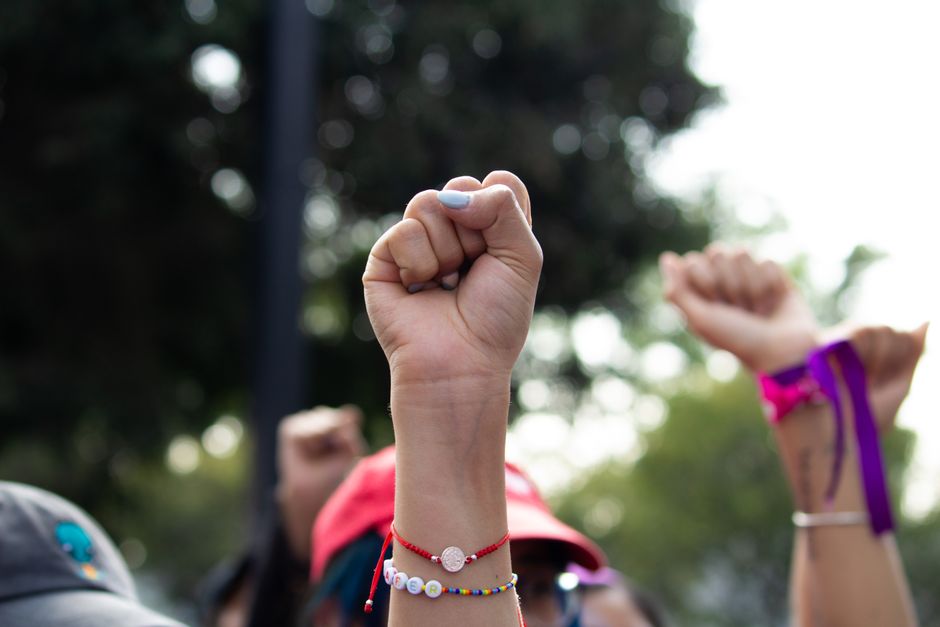
A common misconception is that climate anxiety is a strictly negative state that leads to paralysis. While it is true that isolated individuals are more prone to depression, the narrative shifts dramatically when those same individuals engage in group activities. Collective organizing serves as a functional antidote to climate anxiety. When young people gather to address local environmental issues, they move from a state of internal dread to a state of external agency. They stop asking to be heard and start learning how power works, pivoting toward policy literacy, legal engagement, and long-term institutional change.
Five Youth-Led Projects Reshaping Local Policy
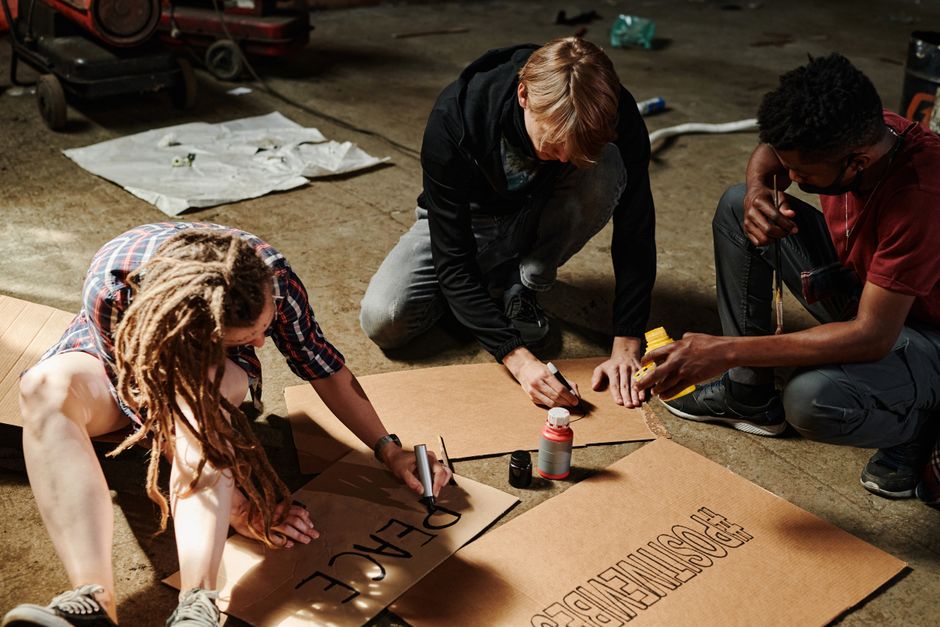
Across the globe, youth leaders are proving that the most effective climate solutions are often local, intergenerational, and highly specific to their communities. Here are five projects that demonstrate how youth-led initiatives are influencing policy and environmental health.
1. The Burns Bog Youth Stewardship Project (Canada)
In Vancouver, British Columbia, the Burns Bog Youth Stewardship Project serves as a model for ecological restoration. By bringing together Indigenous youth, new Canadians, and various community organizations, this initiative tackled the degradation of a massive peat bog—a vital carbon sink and biodiversity hotspot. Beyond the physical act of restoration, the project influenced local land-use conversations, demonstrating that young people are capable of managing complex ecosystems while fostering social cohesion between diverse demographic groups.
2. Sundance Commons (Canada)
Winner of the 2025 Canadian Youth Climate Action Award, Sundance Commons in southwestern Ontario addresses the intersection of climate action and social justice. By empowering marginalized youth to launch sustainable, regenerative farm enterprises, the project creates local food security while simultaneously challenging agricultural policies. It proves that climate solutions are most effective when they provide economic stability to those who have been historically excluded from the green economy.
3. The Joyality Project (Australia)
The Joyality Project takes a psychological approach to climate resilience by upskilling youth aged 14 to 25. By providing tools to process the emotional toll of the climate crisis, the organization prepares young leaders to handle emergencies. Participants in this program have gone on to lead community responses during devastating floods and facilitate radio programs that bridge the gap between policymakers and the public. This program highlights that building emotional resilience is a prerequisite for effective, long-term climate advocacy.
4. Pacific Island Students Fighting Climate Change
This group represents the shift from local action to international legal influence. By campaigning for a UN General Assembly resolution to request an advisory opinion from the International Court of Justice (ICJ) on state climate obligations, these students moved the needle on global policy. They successfully demonstrated that youth, even those from the most vulnerable communities, can leverage international legal frameworks to hold nations accountable for their climate commitments.
5. Montana Youth Litigants (United States)
The landmark court case in Montana, where 16 young litigants successfully sued their state over climate policy, marks a turning point in youth activism. This case proved that young people are moving beyond street mobilization and into the courtroom. By utilizing the judicial system to challenge government policy, these youth established a legal precedent that forces states to consider the long-term impacts of their energy and environmental decisions on the younger generation.
Bridging the Gap: From Awareness to Policy
The transition from awareness to meaningful policy change is the most difficult hurdle for any grassroots group. Many youth-led organizations struggle because they operate in silos, lacking the funding and resources of established international NGOs. However, success stories like those mentioned above share common threads: they are interdisciplinary, inclusive, and prioritize community connection over political divisiveness.
Intergenerational Collaboration: The most successful projects often involve seniors and mentors. An intergenerational garden in Stratford, Ontario, for instance, combined the energy of youth with the wisdom of local seniors, creating a space for communal learning. This model suggests that climate solutions are more sustainable when they are not restricted to one age group, but rather serve as a bridge between generations.
Accessible Communication: Climate education is often too academic or alarmist. Effective grassroots projects prioritize accessible information, particularly regarding emergency preparedness. When youth help low-income residents in high-density developments prepare for extreme weather, they are not just “doing a project”; they are filling a gap in municipal services, thereby forcing local governments to recognize these needs.
Frequently Asked Questions
How can I start an eco-action project if I have climate anxiety?
The best way to start is by identifying a local, tangible problem—such as waste management, urban greening, or food security—rather than focusing on the entire global climate crisis. Connect with local organizations or school clubs to find like-minded peers. Remember that collective action is the best way to move past the feeling of being overwhelmed.
Is social media climate change activism effective?
Social media is a powerful tool for raising awareness and building movements like Fridays for Future, but it must be paired with real-world action. Digital activism creates a sense of community, but lasting change requires moving from an online presence to physical presence in local council meetings, school boards, or community centers.
How do I make my project inclusive for diverse voices?
Inclusivity requires intentionality. Ensure that your project space is accessible, that you are actively listening to Indigenous perspectives, and that you avoid traditional power hierarchies. Focus on fostering connections rather than trying to change minds through debate. Creating a space where people from different backgrounds feel comfortable sharing their ideas is essential for long-term growth.
What if my local policy makers do not listen to youth?
This is a common challenge. When direct requests are ignored, successful youth movements often pivot to legal action, media pressure, or building parallel systems—like community-led food networks or emergency response teams—that prove the necessity of the change you are advocating for. When you show that the community is already doing the work, policy makers are often forced to catch up.
Conclusion
The transition from eco-anxiety to eco-action is not about solving the climate crisis overnight; it is about reclaiming agency in a world that often feels out of control. Millennials and younger generations are increasingly recognizing that the most durable changes are those rooted in the local community. By focusing on regenerative farming, ecological restoration, legal advocacy, and intergenerational mentorship, youth-led initiatives are creating a new blueprint for climate policy. The future of environmental health depends on this shift—moving away from the isolation of anxiety and toward the resilience of collective, community-led action. Each project, no matter how small, adds to a growing movement that is fundamentally altering our relationship with the planet and the institutions that govern it.