

The Rise of Skin-tellect: How AI is Personalizing Skincare
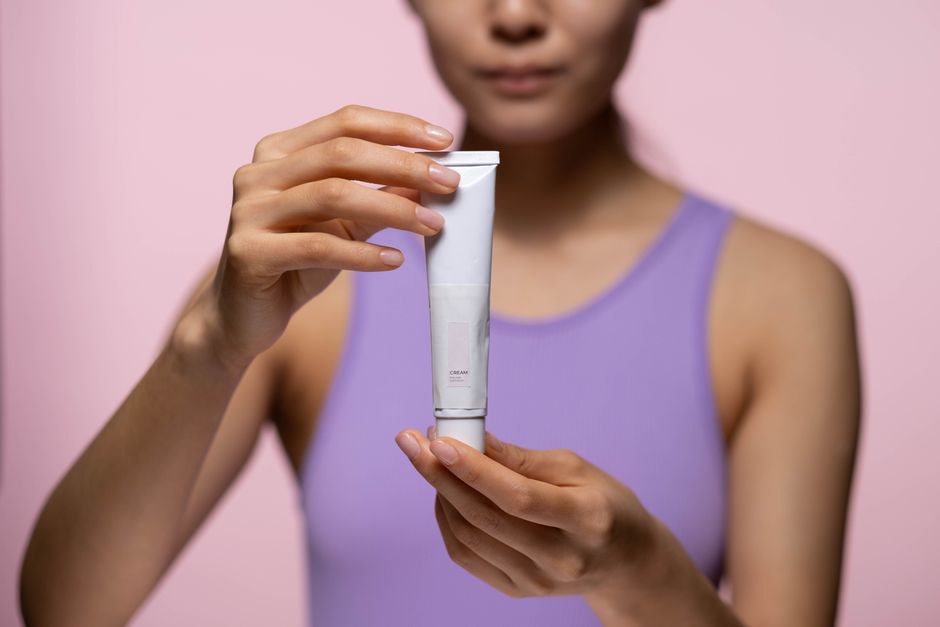
The beauty industry is undergoing a seismic shift, moving away from the era of one-size-fits-all product recommendations toward a hyper-personalized future. At the heart of this transformation is Skin-tellect, the integration of sophisticated technology into daily beauty routines. By leveraging artificial intelligence, consumers now have access to professional-grade skin insights that were once locked behind the doors of a dermatologist’s office. Today, your smartphone acts as a powerful diagnostic tool, bridging the gap between clinical expertise and consumer convenience to create a truly personalized experience that addresses your unique biological needs.
The Mechanics of AI Skincare Analysis

At its core, AI skincare analysis relies on advanced computer vision and machine learning algorithms. By processing thousands of high-resolution images, these systems identify subtle patterns in skin texture, hydration levels, pore size, and pigment distribution. When a user captures a selfie through an AI-powered app, the software maps the face to identify specific zones of concern. It then evaluates environmental factors and lifestyle data provided by the user to build a comprehensive, holistic profile of their skin health.
Precision Through Machine Learning
The true power of AI-driven skincare lies in its ability to adapt. These platforms do not merely categorize skin as dry, oily, or combination. Instead, they quantify the severity of fine lines, the depth of hyperpigmentation, and the presence of localized inflammation. By correlating these visual metrics with clinical research, the AI can suggest specific active ingredients—such as niacinamide for barrier repair or retinoids for cellular turnover—that are scientifically proven to address the user’s specific skin state.
The Role of Virtual Try-Ons
Beyond diagnostics, AI is revolutionizing the point of sale. Virtual try-on technology has evolved from a novelty into a critical decision-making tool. By simulating how a product interacts with a user’s specific skin tone and texture, these tools reduce the guesswork associated with buying high-end skincare. This feature minimizes the environmental waste of returned products and ensures that consumers invest only in formulations that complement their complexion.
Diagnostic Accuracy and Professional Collaboration
While consumer-facing AI tools are impressive, their professional applications are even more profound. Dermatologists are increasingly utilizing AI to assist in the early detection of skin conditions. These systems do not replace the human eye; rather, they act as an advanced triage system. By flagging potential irregularities such as suspicious moles or early-stage acne, these systems allow practitioners to prioritize cases and track the progression of skin conditions with mathematical precision over time.
Enhancing the Clinical Workflow
The integration of AI into professional settings provides a standardized way to measure treatment efficacy. If a patient is undergoing a series of chemical peels or laser treatments, the AI can objectively compare images taken weeks apart, quantifying the reduction in pigmentation or scarring. This data-driven approach removes the subjectivity of visual assessment, allowing both the patient and the provider to see clear, quantifiable evidence of progress.
Comparison: Traditional vs. AI-Enhanced Skincare
| Feature | Traditional Skincare | AI-Enhanced Skincare |
|---|---|---|
| Product Selection | Trial and error | Data-backed recommendations |
| Assessment | Subjective self-evaluation | Objective, metrics-driven analysis |
| Monitoring | Visual observation | Longitudinal digital tracking |
| Accessibility | Consultation required | Instant access via mobile apps |
The Future of Personalized Beauty
As we look toward the future, the convergence of genomics and AI is the next frontier. We are moving toward a time where your skincare routine will be informed by both digital image analysis and your genetic predispositions. This personalized approach ensures that your regimen is not just reacting to how your skin looks today, but proactively supporting your skin’s biological needs for the long term.
Frequently Asked Questions
Is there an AI for skincare?
Yes, there are numerous AI-powered skincare apps and web-based platforms available today. These tools range from [simple](https://t10family.com/en/simple-skincare-routine-for-men-with-sensitive-skin-expert-tips/) diagnostic apps that identify basic skin concerns to complex systems integrated into major beauty brands that offer highly specific product recommendations based on your unique selfie data.
Is AI replacing dermatologists?
No, AI is not replacing dermatologists. It acts as a sophisticated tool to augment a doctor’s capabilities, assisting in faster diagnostics and more objective tracking of skin conditions. However, the nuance of clinical judgment, the ability to perform physical biopsies, and the emotional support provided by a medical professional remain uniquely human roles that technology cannot replicate.
What is the most recommended brand by dermatologists?
In the United States, CeraVe is frequently cited as the most recommended brand by dermatologists. This is largely due to its focus on barrier-repairing ingredients like ceramides and its accessible, fragrance-free formulations that are suitable for a wide range of skin types, including those with sensitive conditions like eczema or acne.
Conclusion
The rise of Skin-tellect represents a fundamental change in how we interact with our own health and appearance. By leveraging AI to bypass the wait times and costs of traditional consultations, consumers are now empowered to make informed, data-driven decisions. While technology will never replace the expertise of a medical professional, the integration of artificial intelligence has democratized access to personalized beauty. As these tools continue to evolve, the ability to monitor and treat our skin with precision will become even more seamless, ensuring that our routines are as unique as our DNA.