
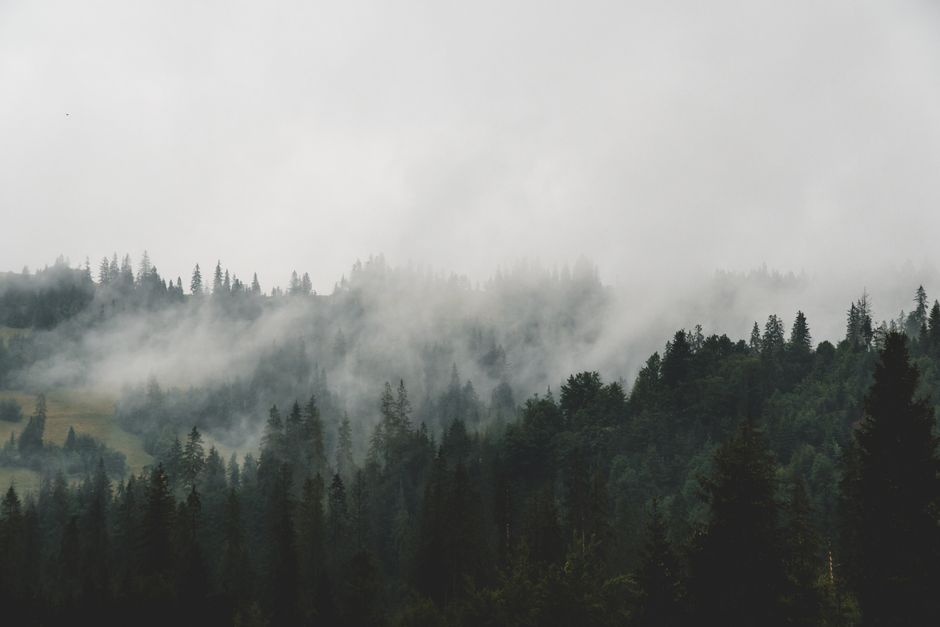
The digital landscape is undergoing a profound architectural shift. For decades, the internet was defined by the promise of radical openness: the idea that if you broadcast your thoughts, art, or business into the public square, the world would eventually find you. Today, that optimism has been replaced by a pervasive sense of digital exhaustion. Public social media feeds have become dominated by algorithmic noise, relentless advertising, and the looming threat of performative backlash. In response, a significant migration is underway. Creators, communities, and casual users alike are retreating into what has become known as the Dark Forest of the internet, seeking refuge in smaller, private, and inherently safer digital environments.
The Origins of the Dark Forest Theory

The Dark Forest theory of the internet is a metaphor adapted from science fiction—specifically Cixin Liu’s novel The Dark Forest—and popularized by writer Yancey Strickler. In the original literary context, the universe is a dark forest where every civilization is a hunter, and the most rational survival strategy is to remain silent to avoid attracting predators. When applied to our digital lives, the theory suggests that the public internet has become a hostile environment where the “predators” are not alien civilizations, but tracking bots, data-hungry advertisers, clickbait algorithms, and bad-faith trolls.
In this view, the internet is not a place where you want to be seen. To be visible is to be targeted, taken out of context, or monetized by entities that do not have your best interests at heart. Consequently, users are choosing to go silent in public spaces and move their most authentic interactions into dark forests: private group chats, newsletters, Discord servers, and encrypted messaging apps. This is not a withdrawal from the digital world, but a strategic retreat into a more sustainable one.
The Rise of the Cozy Web

Complementing the Dark Forest theory is the concept of the “Cozy Web,” a term that describes the informal, untracked corners of the internet that bots and corporate algorithms have yet to colonize. While public platforms prioritize scale and reach, the Cozy Web prioritizes intimacy and trust. This movement is particularly evident among Gen Z and younger digital natives, who are increasingly disillusioned by the pressure to perform for an audience of strangers.
The shift toward these private spaces is driven by a desire for “the missing middle.” This represents a space where creative projects and genuine culture can flourish without the interference of massive, centralized platforms. By utilizing tools like Substack, private subreddits, or dedicated Discord communities, users are creating shared, private internets. These spaces use the technological infrastructure of the web to connect, but they intentionally limit reach, ensuring that the community remains manageable, relevant, and free from the toxic dynamics of the mainstream feed.
Why Smaller Communities Thrive
The transition toward private spaces is not just a reaction to negativity; it is a search for higher-quality interaction. Research into user experience consistently shows that smaller communities foster deeper connections. When a community is small—ideally mirroring Dunbar’s number or even smaller, such as the 15-person groups found in many highly active Discord servers—the psychological pressure of performance vanishes. Members no longer feel the need to posture for a general audience; instead, they engage in meaningful, low-stakes conversation.
Privacy acts as a natural filter. By implementing mechanisms such as invite-only admission or paywalls, community moderators create “friction.” While mainstream platforms strive to remove friction to maximize engagement, these private communities use it as a protective barrier. A paywall, for instance, ensures that every member has a vested interest in the health of the group, effectively filtering out trolls and passive bad actors who thrive in the frictionless, open-access environment of public social networks.
The Business Value of Exclusivity
For creators and businesses, the Dark Forest Collective—or the broader movement toward private community building—has become a vital business strategy. In an era where organic reach on public platforms is plummeting, private communities offer a direct line to an audience. Creators are finding that their long-term success is no longer tied to how many millions of followers they have, but to the depth of the relationships they maintain with their most dedicated supporters.
By moving conversations behind a virtual wall, creators can engage in more vulnerable, authentic, and nuanced discussions. This intimacy drives retention in a way that public content never can. When followers feel they are part of a private, curated space, their loyalty increases, and the value of the creator’s brand grows through genuine, high-trust engagement rather than hollow, quantitative metrics.
Frequently Asked Questions
Is Dark Forest Theory legit?
The theory is not a scientific law, but a legitimate and widely recognized framework for understanding current trends in digital sociology. It effectively describes the observable shift in user behavior where people are prioritizing safety and privacy over the traditional desire for mass reach and public visibility.
What is the dark forest theory of the internet?
The theory posits that the public internet has become a hostile space dominated by bots, trolls, and algorithms. Because being “visible” often invites harassment or unwanted data extraction, users are retreating into private spaces to communicate freely and safely, much like creatures in a forest remaining silent to avoid predators.
Can you explain the dark forest hypothesis?
The hypothesis suggests that as public platforms become more toxic and performative, the most rational behavior for individuals is to hide. By moving to private channels like group chats or encrypted messaging, users can reclaim the internet as a tool for connection rather than a platform for public performance.
Who came up with the dark forest theory?
The concept was adapted for the digital age by writer Yancey Strickler, who built upon the science fiction metaphor established by author Cixin Liu. It has since been expanded upon by various digital theorists to explain the decline of public social media and the rise of the “cozy web.”
Conclusion
The era of the “global public square” as the primary destination for digital life is coming to an end. As the internet becomes increasingly crowded, noisy, and potentially dangerous, the strategy of the dark forest offers a path forward that prioritizes human well-being. We are witnessing a return to a more human-scale internet—a web of small, private, and intentional communities where the focus is on connection rather than consumption. For creators and users alike, the future of the internet is not in the massive, hollow expansion of public reach, but in the quiet, secure, and intimate corners where real culture is actually made.