
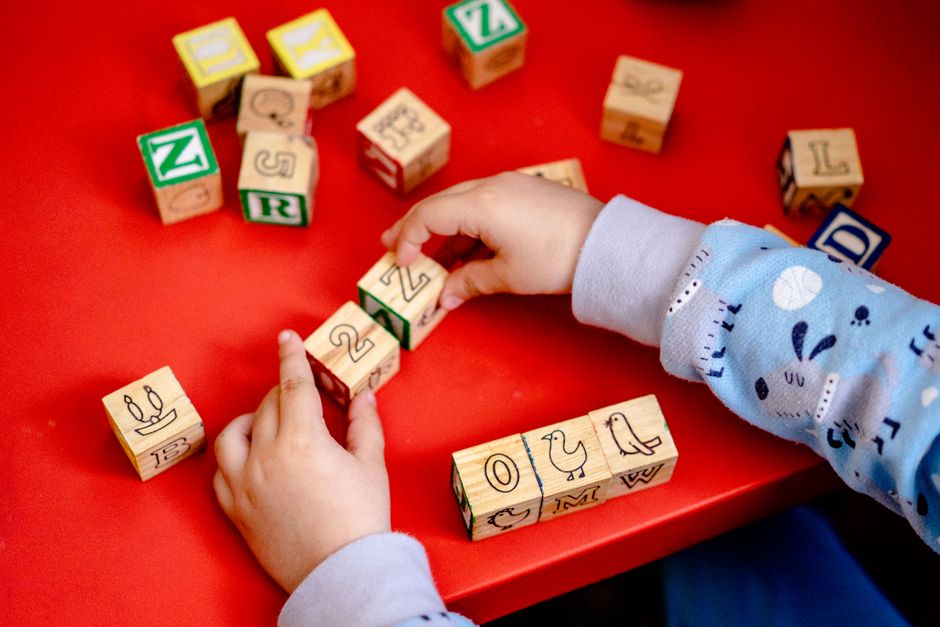
In the modern landscape of early childhood education, the conversation surrounding STEM has shifted from simply introducing technology to cultivating a specific mindset. For preschoolers, the goal is not to produce miniature software engineers, but to nurture computational thinking—a foundational approach to problem-solving that remains relevant long after the toys are put away. By selecting the right stem toys, parents and educators can transform everyday play into a laboratory for logic, sequencing, and spatial reasoning, providing children with the cognitive tools they need to navigate an increasingly complex world.
Understanding Computational Thinking Beyond the Screen
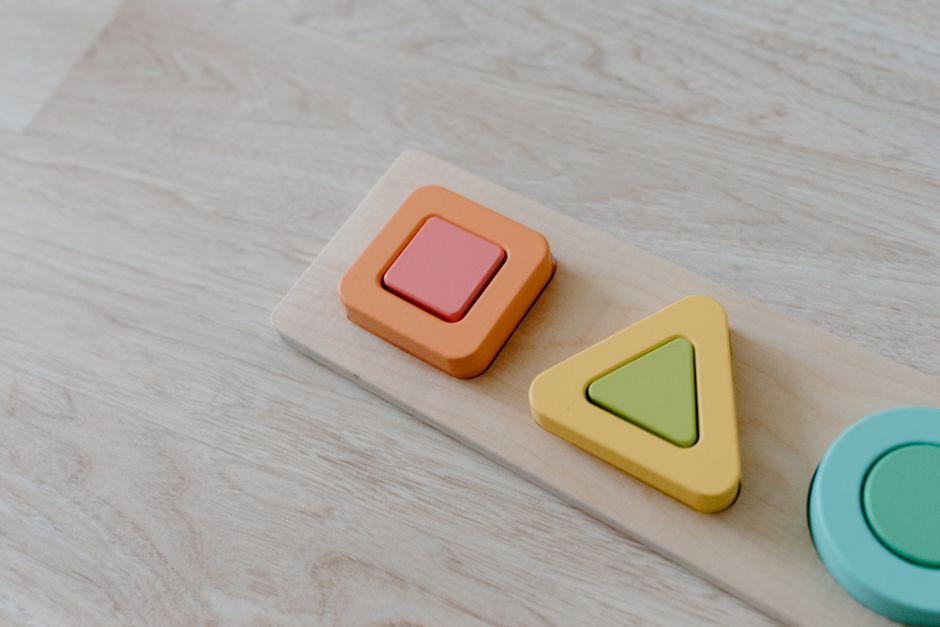
Many parents mistakenly believe that computational thinking requires tablets or screen-based applications. However, research from the CSTA and ISTE indicates that for preschoolers, computational thinking is an entirely analog process. It is about learning how to break down complex tasks, identify recurring patterns, and follow logical sequences. When a child builds a tower that keeps falling, they are essentially debugging a program. When they follow a recipe to make playdough, they are executing an algorithm. By focusing on these core skills, we move away from passive screen time and toward active, cognitive engagement.
Decomposition and Pattern Recognition
Decomposition is the ability to break a large, intimidating problem into smaller, manageable pieces. In the context of play, this might look like a child figuring out how to build a marble run by first creating the base, then the tracks, and finally the supports. Pattern recognition, meanwhile, is the foundation of mathematical logic. Toys that require sorting, categorizing, or repeating sequences help children internalize the concept that things happen in a specific order for a specific reason.
The Case for Tangible, Screen-Free STEM Toys

The Journal of Educational Computing Research highlights a critical finding: tangible, physical toys are significantly more effective than digital apps for developing spatial reasoning in the three-to-five age group. Physical objects allow children to manipulate variables with their hands, providing sensory feedback that a touchscreen simply cannot replicate. When a child physically pushes a programmable robot across a floor, they are learning about distance, direction, and velocity in a way that creates lasting neural connections.
Selecting Toys with a Low Floor and High Ceiling
The MIT Lifelong Kindergarten Group promotes the low floor, high ceiling design principle as the gold standard for educational materials. A toy with a low floor is easy for a toddler to pick up and understand immediately, ensuring they do not feel discouraged. A toy with a high ceiling offers enough complexity that it remains interesting and challenging as the child matures. Look for building sets, programmable robots, and logic puzzles that allow for open-ended exploration rather than those with a singular, predetermined outcome.
Strategies for Adult Scaffolding
Even the most advanced stem toys are only as effective as the environment in which they are used. According to the NAEYC, adult scaffolding is the catalyst that turns simple interaction into deep learning. Rather than providing answers, adults should act as facilitators. By asking open-ended questions like “What happens if we move this block?” or “How can we make the robot turn right instead of left?”, you prompt the child to hypothesize, test, and reflect. This process of inquiry is the very essence of thinking like a scientist.
The Art of the “What If” Question
- Predictive questioning: Before a child starts a task, ask them what they expect to happen. This builds anticipation and logical mapping.
- Reflective questioning: After a mistake occurs, ask them to explain why they think it happened. This encourages the child to view failure as a data point rather than a setback.
- Explorative questioning: Once a task is completed, ask how they could change the process to achieve a different result. This encourages creative iteration.
A Comparison of STEM Toy Categories
| Category | Focus Skill | Preschool Application |
|---|---|---|
| Programmable Robots | Sequencing/Logic | Creating paths and directional commands. |
| Construction/Building Blocks | Spatial Reasoning | Understanding balance, gravity, and structure. |
| Logic Puzzles | Pattern Recognition | Matching shapes, colors, or logical sequences. |
| Circuitry Kits (Safe/Snap) | Cause and Effect | Learning how power flows to activate a light or sound. |
Frequently Asked Questions
Is it too early to introduce coding concepts to a three-year-old?
It is never too early to teach the logic behind coding. While you should avoid complex syntax or abstract screen tasks, teaching a child to sequence actions—first we put on our socks, then our shoes—is a direct precursor to the algorithmic logic used in computer programming. By using stem toys that focus on physical sequences, you are building the mental scaffolding for future technical literacy.
How do I know if a toy is truly educational or just a gimmick?
A high-quality educational toy should be open-ended. If a toy only does one thing when a button is pressed, it is likely a gimmick. If the toy allows the child to change, expand, or repurpose it, it is a tool for learning. Always prioritize toys that require the child to be the active participant, not the passive observer.
Should I worry if my child gets frustrated with a difficult puzzle?
Frustration is often a sign of “productive struggle,” which is a necessary component of learning. If a child is struggling, do not immediately step in to fix the problem. Instead, offer a small hint or ask a guiding question to help them find the solution on their own. This builds resilience and confidence in their own thinking abilities.
Conclusion
Selecting stem toys for children is an investment in their ability to approach the world with curiosity and logic. By prioritizing screen-free, tangible play, we allow children to engage with physical laws and logical sequences in a developmentally appropriate way. Remember that the ultimate goal is not to reach a specific technical milestone, but to foster a lifelong habit of exploration and problem-solving. Through thoughtful scaffolding and the selection of versatile, high-quality materials, you provide the foundation upon which your child can build a future of innovation and critical thinking. Encourage their questions, embrace their mistakes, and watch as they turn every moment of play into a masterclass in logic.