
In the digital age, the line between documenting precious family memories and compromising a child’s safety has become increasingly blurred. For many, social media is a virtual scrapbook, a place where parents celebrate milestones and share the joys of raising a child. However, this common practice, known as sharenting, is undergoing a profound transformation. As artificial intelligence and facial recognition technologies become more sophisticated, the risks associated with posting images of our children have shifted from simple privacy concerns to complex security threats. Understanding these dangers is no longer optional for the modern parent; it is a fundamental aspect of digital literacy and child protection.
Understanding the Sharenting Phenomenon

The term sharenting, a portmanteau of sharing and parenting, describes the habitual use of social media to communicate news, photos, and videos of one’s children. While the sharenting psychology is rooted in the human desire for connection and community, it often overlooks the long-term implications for the child. When a parent posts a photo, they are not merely sharing a moment; they are creating a digital footprint for a person who has yet to give their consent. This digital identity grows alongside the child, potentially influencing their future academic, social, and professional opportunities.
Sharenting statistics suggest that by the time a child reaches their teenage years, they may already have thousands of images and data points associated with them online. This creates a permanent, searchable archive. The primary issue is that once content is uploaded, the parent loses control over who views, downloads, or repurposes that data. What starts as a proud post for grandma can quickly become fodder for strangers, data brokers, or malicious actors.
The Rising Dangers of Posting Children’s Pictures on Social Media

The dangers of posting children’s pictures on social media have escalated significantly with the advent of advanced AI. In the past, the main risks were limited to privacy breaches or cyberbullying. Today, the landscape is much more hostile due to the following factors:
The Role of Facial Recognition
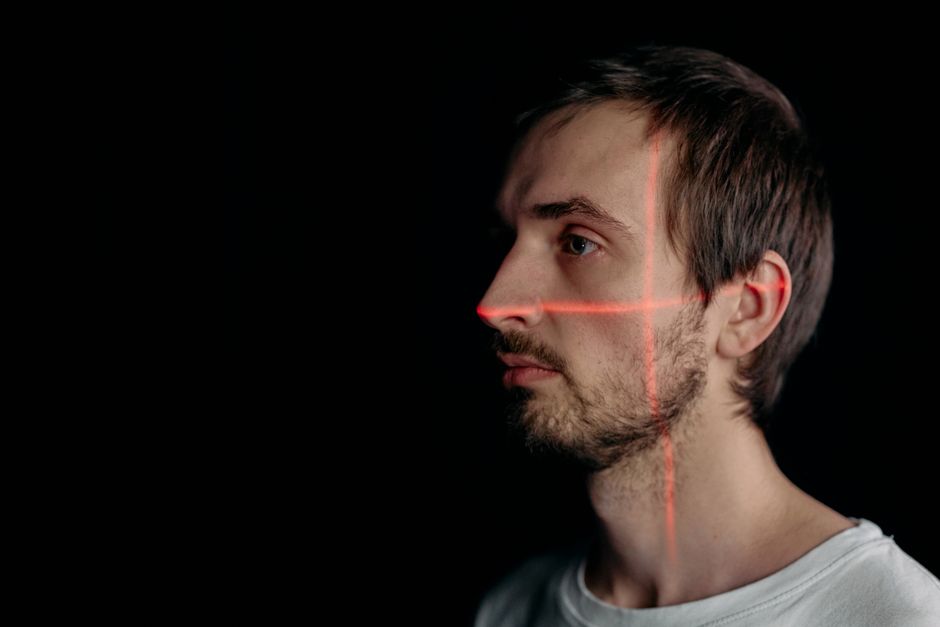
Facial recognition technology has made it trivial to track a person across the internet. Tools like PimEyes or FaceCheck.ID allow users to upload a single photo and find every instance of that face across the web. This means that even if a parent deletes a photo from their own account, the image may have already been scraped, indexed, or shared elsewhere, making it nearly impossible to remove entirely from the digital ecosystem.
AI-Driven Risks: Deepfakes and Misuse
Perhaps the most alarming development is the use of AI to manipulate images. Deepfake technology can now be used to create realistic, fabricated videos or audio clips of children. These can be used in sophisticated scams, identity theft, or the creation of non-consensual sexual imagery. Furthermore, AI algorithms can analyze a child’s habits, location, and preferences based on their digital footprint, creating detailed profiles that can be used for targeted, predatory advertising or social engineering.
Common Sharenting Examples and Their Consequences
To better understand why sharenting is bad, it is helpful to look at specific sharenting examples that are often perceived as harmless but carry inherent risks:
- First Day of School Photos: While traditional, these posts often include the child’s name, age, school name, and teacher’s name. This provides a roadmap for individuals looking to identify or locate a child in the real world.
- Funny or Embarrassing Moments: A video of a child having a tantrum or a photo of them in the bath might seem endearing to a parent, but to the child, it is a permanent record of a vulnerable moment that could be used for cyberbullying later in life.
- Vacation Updates: Posting real-time photos from a vacation announces to the world that the family home is likely empty, increasing the risk of burglary.
- Health or Behavioral Milestones: Sharing sensitive information about a child’s medical history or developmental challenges can compromise their future privacy and dignity.
Strategies for Safer Digital Parenting
The goal is not to eliminate all digital memories, but to shift from a culture of oversharing to one of intentional, private curation. Parents must treat their children’s digital information with the same level of security as they would their own financial or medical records.
Practical Steps for Protecting Your Child
- Audit Your Privacy Settings: Regularly review who can see your posts. Ensure that your profiles are set to private and that you are not accepting friend requests from strangers or acquaintances you do not trust implicitly.
- Use Facial Recognition Search Engines: Periodically use tools like PimEyes to see what images of your child are currently available on the public web. This can help you identify and request the removal of unauthorized content.
- Request Consent: Before posting a photo of a child that belongs to someone else, always ask the parent for permission. Similarly, as your own children grow older, involve them in the decision-making process regarding what is shared about them.
- Filter Your Content: Avoid sharing images that show identifying details, such as school uniforms, house numbers, or geotags. When in doubt, leave it out.
Frequently Asked Questions
Why is it considered a violation of consent to post photos of my child?
A child cannot consent to having their image shared with potentially millions of people. By posting, you are defining their digital persona for them. As they mature, they may feel that their privacy was compromised, or they may find that their online presence does not align with who they have become as an individual.
Can I ever safely share photos of my children online?
Yes, but it requires a change in mindset. Focus on sharing within closed, trusted circles, such as private messaging groups or password-protected family photo sharing apps, rather than public social media platforms. Always prioritize your child’s long-term digital footprint over the instant gratification of a public “like.”
What should I do if I find an image of my child that I did not post?
If you find an image of your child online that you did not authorize, first try to contact the platform where the image is hosted to request its removal based on privacy violations. If the image is being used maliciously, document the URL and consider reporting it to local authorities or cybersecurity experts.
Conclusion
The digital world offers unprecedented ways to document our lives, but it also demands a higher level of vigilance regarding our children’s safety. The era of unchecked sharenting must come to an end in favor of a more considered, protective approach. By understanding the capabilities of AI and the permanence of the digital footprint, parents can better navigate the tension between sharing joy and protecting their child’s future. Digital parenting is about more than just setting screen time limits; it is about acting as a steward of your child’s identity, ensuring that their online history is something they can be proud of, rather than a vulnerability they have to manage. By choosing privacy over popularity, you are gifting your child the freedom to define themselves on their own terms when they are ready.