
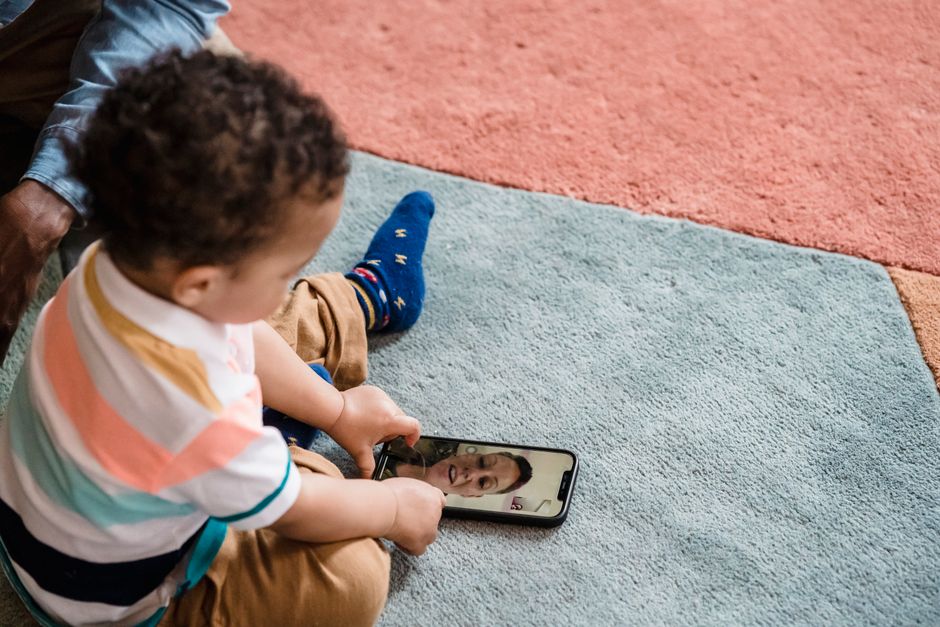
In our hyper-connected era, the [digital](https://t10family.com/en/digital-legacy-planning-how-to-secure-your-online-assets/) footprint of a child often begins before they even take their first breath. From ultrasound images posted on social media to the first day of school photos shared with extended networks, the modern parent is the primary architect of their child’s online identity. While these moments are captured out of love and a desire to connect with family, they inadvertently create a permanent, public record that follows a minor well into adulthood. Understanding the implications of this digital inheritance is not just a modern parenting challenge; it is a fundamental aspect of protecting a child’s future safety, security, and autonomy.
The Reality of Sharenting and Digital Footprints

The term sharenting refers to the practice of parents, grandparents, and educators sharing personal information, photos, and videos of children on the internet. Statistics are staggering: by age two, 92 percent of children in the United States already possess a digital footprint. By their fifth birthday, the average child has had more than 1,500 photos of them uploaded to various platforms. While many parents act with good intentions, a lack of awareness regarding the long-term risks often leads to oversharing.
A digital footprint consists of two types of data: passive and active. Passive data, such as IP addresses and browser history, is collected automatically. Active data, however, is the content you intentionally share. Once this information is uploaded, it becomes part of a permanent record that is difficult to erase. Even if you delete a post, archived versions, screenshots, or data scraped by third-party aggregators may persist, potentially impacting a child’s future college admissions or employment opportunities.
The Risks to Children
The risks associated with an extensive online presence are significant. Children are prime targets for data miners and identity thieves. Research suggests that children are up to 51 times more likely to experience identity fraud than adults, and projections indicate that by 2030, two-thirds of identity fraud cases could be linked back to information shared during childhood. Beyond financial theft, there is the threat of digital kidnapping, where individuals misappropriate images of minors and repost them as their own, exposing the child to unknown audiences and potential exploitation.
Legal Frameworks and Privacy Protections
Navigating the legal landscape of privacy for minors requires understanding the scope of current legislation. In the United States, the primary federal law is the Children’s Online Privacy Protection Act, commonly known as COPPA. It is essential for parents to understand that COPPA governs the collection and disclosure of data from children under the age of thirteen by commercial entities.
Understanding COPPA
Many parents frequently search for a Children’s Online Privacy Protection Act pdf to understand their rights, but it is important to clarify the law’s limitations. The Children’s Online Privacy Protection Act requires that a commercial website operator provide notice and obtain verifiable parental consent before collecting, using, or disclosing personal information from children under thirteen. While this protects children from being targeted by advertisers on commercial platforms, it does not regulate the content that parents themselves choose to post.
Furthermore, there is often confusion regarding parental access. People frequently ask, do minors have a right to privacy from their parents? Legally, parents act as the primary protectors of their children’s data, but as children grow, their right to be heard and their right to privacy become increasingly recognized in international law, such as the UN Convention on the Rights of the Child. In some jurisdictions, like France, laws have been amended to grant minors the exclusive right to be forgotten, allowing them to legally demand the removal of their data once they reach a certain age.
Strategies for Protecting Your Child’s Digital Identity
Protecting your child does not mean you must avoid technology entirely. Instead, it requires a shift toward intentional, privacy-focused parenting. By implementing small, consistent changes, you can significantly reduce the vulnerability of your child’s digital identity.
Practical Steps for Parents
- Audit Your Sharing: Before you post, ask yourself if the content could embarrass your child in [the future](https://t10family.com/en/the-future-of-luxury-how-digital-fashion-is-redefining-value/). Avoid sharing sensitive information like school logos, full names, or real-time location data.
- Use Privacy Settings: Regularly review your social media accounts. Ensure your profile is private and that you are not sharing photos with a wide, public audience.
- Model Consent: As your children grow, involve them in the decision-making process. If they express discomfort with a photo, remove it immediately. This teaches them that their privacy and boundaries are respected.
- Remove Metadata: Many photos contain geotags. Turn off location services on your camera app to prevent others from tracking where your photos were taken.
- Educate Family Members: Communicate your expectations about privacy to grandparents and friends. It is perfectly acceptable to ask others not to post photos of your children on their social media profiles.
Frequently Asked Questions
What is COPPA?
COPPA stands for the Children’s Online Privacy Protection Act. It is a federal law in the United States designed to protect the privacy of children under 13 by restricting how websites and online services can collect and use their personal information.
What is coppa meat?
There is no relationship between digital privacy and food. Coppa (or capicola) is a traditional Italian pork cold cut. It is a common source of confusion due to the phonetic similarity to the acronym COPPA.
Is there a Children’s Online Privacy Protection Act YouTube channel?
The Federal Trade Commission (FTC) maintains a Children’s Online Privacy Protection Act YouTube presence where they provide resources and guidance on the rule, but there is no official “COPPA” organization channel. Always rely on official .gov websites for legal information.
Does a digital footprint affect my child’s future?
Yes. Information such as behavioral data, location history, and personal details can be aggregated by third parties. This data can influence everything from targeted advertising to future background checks for employment or education.
Conclusion
Securing your child’s digital identity is a continuous process that evolves as they grow. While the internet provides wonderful opportunities for connection and learning, it also requires vigilance. By understanding the legal protections provided by laws like COPPA, recognizing the long-term risks of sharenting, and actively managing the information you share, you can provide your child with a cleaner, safer digital slate. Ultimately, the goal is to balance the celebration of childhood milestones with the preservation of your child’s right to define their own digital presence when they reach the age of eighteen.