
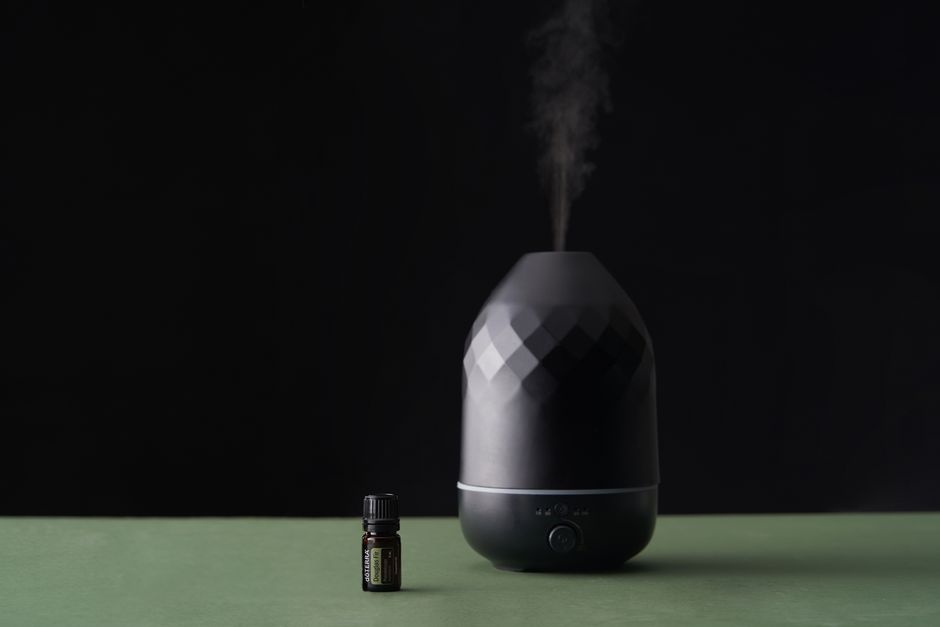
In the modern era of remote work, the boundaries between professional responsibility and personal respite have become increasingly porous. As home offices replace traditional cubicles, the challenge of maintaining mental clarity has shifted from managing external noise to curating internal environments. Enter scent-scaping—a sophisticated approach to interior design that moves beyond aesthetics to manipulate the invisible architecture of your workspace. By leveraging the profound connection between the olfactory system and the brain, professionals are now using targeted aromas to sharpen focus, reduce cognitive fatigue, and transition seamlessly into a state of high-level productivity.
The Neuroscience of Olfactory Design
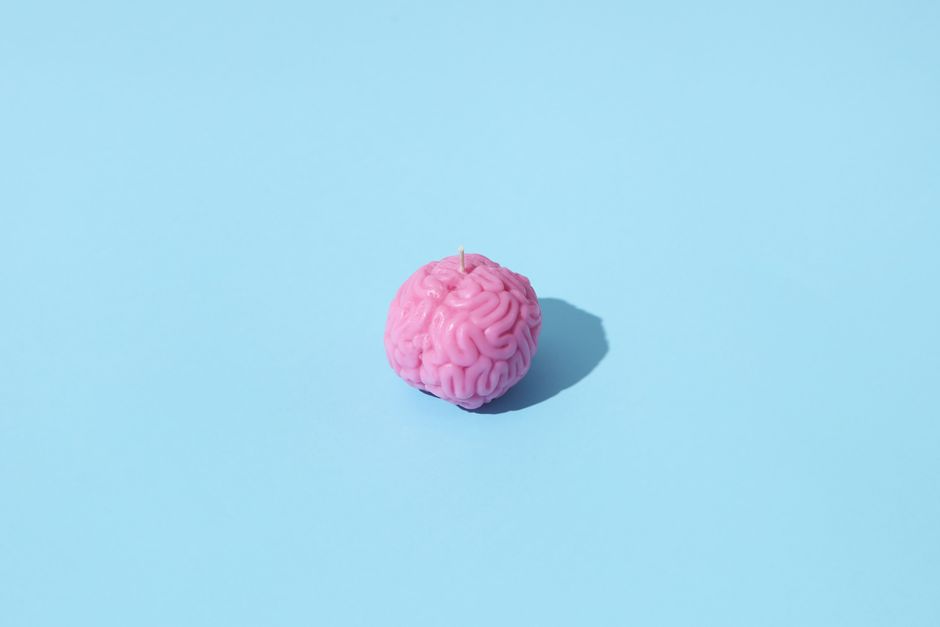
To understand why scent-scaping is more than a wellness trend, one must look at the biological pathways involved. Unlike other senses, olfactory input bypasses the thalamus and travels directly to the limbic system, the region of the brain responsible for emotion, memory, and behavior. This direct neural pathway explains why a specific fragrance can trigger an instantaneous shift in mood or mental state.
When you design your home office with a deliberate scent profile, you are not merely making the room smell pleasant; you are priming your brain for specific tasks. By creating a consistent olfactory environment, you leverage the Proustian effect, where the brain begins to associate a particular aroma with the deep-focus states achieved during previous work sessions. Over time, the mere act of introducing this scent acts as a cognitive trigger, signaling to your mind that it is time to transition from domestic relaxation to professional concentration.
Strategic Scent-Scaping for the Home Office
Effective scent-scaping requires more than simply lighting a candle. It involves a strategic understanding of how different aromas influence cognitive performance. To build an environment that supports sustained focus, consider the following functional applications.
Selecting the Right Aromas for Cognitive Performance
Not all fragrances are created equal when it comes to productivity. Research in cognitive science consistently points to specific essential oils and botanical profiles that enhance alertness and information processing. When selecting your office scent, prioritize those with proven efficacy:
- Peppermint: Widely recognized for its ability to increase alertness and mental clarity, peppermint is an ideal choice for tasks requiring high levels of precision and analytical thinking.
- Lemon and Citrus: These bright, clean notes have been shown to reduce error rates in office settings and improve mood, making them perfect for high-pressure days.
- Rosemary: Often linked to improved memory retention and focus, rosemary is an excellent companion for research-heavy projects or long-form writing.
- Eucalyptus: Useful for clearing mental fog, particularly during mid-afternoon slumps when energy levels naturally begin to decline.
The Art of Zonal Layering
The primary goal of scent-scaping is to establish a psychological boundary between your work life and your personal life. If you work in a shared space, such as a dining room or a bedroom corner, scent becomes your most powerful tool for spatial demarcation. By using a dedicated scent for your office area that is never used in your living or sleeping quarters, you create a “scent-zone.” When you sit down at your desk and activate your diffuser, you are effectively closing the door on the rest of the house, regardless of the physical layout.
Managing Olfactory Fatigue and Sensory Health
While the benefits of scent-scaping are significant, it is important to approach olfactory design with moderation. Sensory science warns against the risk of olfactory fatigue—a phenomenon where the brain becomes desensitized to a constant stimulus, effectively tuning it out. When this happens, not only does the productivity-boosting effect diminish, but the continuous exposure to high-concentration fragrances can trigger headaches or respiratory irritation.
To maintain the efficacy of your workspace scent, consider these guidelines for implementation:
| Strategy | Best Practice |
|---|---|
| Intermittent Diffusion | Use a timer to diffuse scent for 30 minutes on, 30 minutes off. |
| Quality Control | Use high-quality essential oils rather than synthetic fragrances to avoid indoor air pollution. |
| Ventilation | Ensure adequate airflow in the workspace to prevent the scent from becoming overpowering. |
| Rotation | Swap your scents every few weeks to prevent the brain from habituating to the stimulus. |
Frequently Asked Questions
Can I use scent-scaping if I work in a small, enclosed office?
Yes, but you must prioritize ventilation. In smaller spaces, scents concentrate much faster. Use lower-intensity diffusion methods, such as reed diffusers or passive ceramic stones, rather than high-output ultrasonic diffusers, to avoid overwhelming your olfactory senses.
How long does it take for the brain to associate a scent with productivity?
Consistency is key. Generally, if you use a specific, high-quality scent exclusively during your peak focus hours for two to three weeks, you will begin to notice a reflexive shift in your mental state when the scent is introduced. This is a form of classical conditioning that strengthens with repeated exposure.
Is it better to use synthetic fragrances or natural essential oils?
From a functional standpoint, natural essential oils are superior. Many synthetic fragrances contain phthalates and other volatile organic compounds that can degrade air quality and cause physical discomfort over long periods. Natural oils derived from botanical sources are generally better tolerated and provide more consistent therapeutic benefits.
What if I find a scent distracting instead of helpful?
If a scent is distracting, it is likely either too strong or the wrong profile for your personal preference. Focus is highly subjective; while peppermint is scientifically proven to aid focus, if you personally dislike the smell, it will serve as a distraction rather than a tool. Always choose scents that you find pleasant and invigorating to ensure they enhance your work rather than hindering it.
Conclusion
The rise of scent-scaping represents a shift toward more intentional, human-centric design. By recognizing that the workspace is a multisensory environment, professionals can gain greater control over their internal state, transforming the home office into a sanctuary of sustained focus. Whether you are seeking to sharpen your analytical abilities with a hint of lemon or trying to establish a clear boundary between your professional and personal hours, the right olfactory strategy can provide the edge you need. As we continue to redefine the future of work, the ability to curate our cognitive surroundings will become a vital skill, proving that the most effective tools for productivity are often the ones we can smell, but cannot see.