
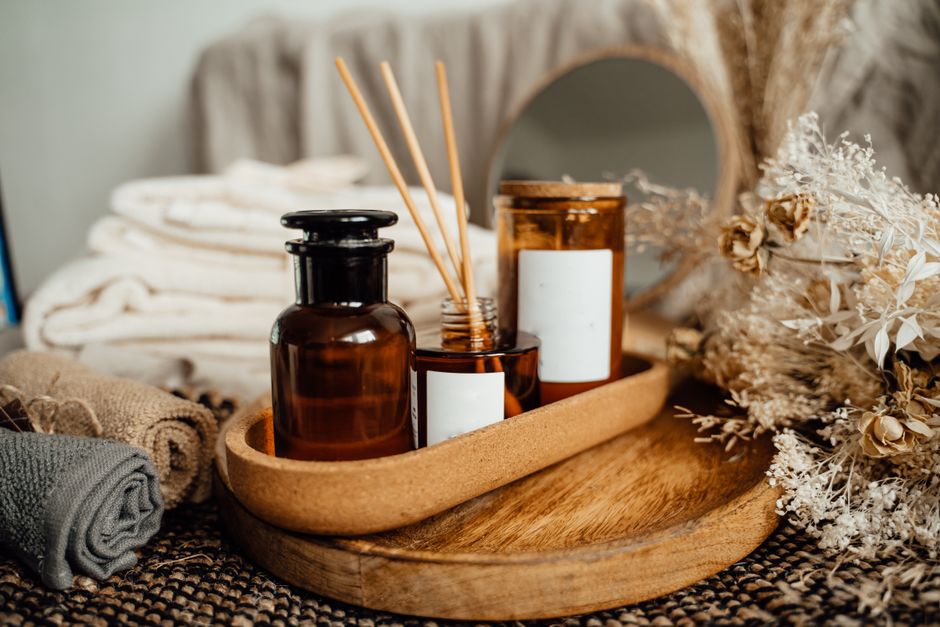
The modern home is no longer defined solely by its visual aesthetic or acoustic comfort. As interior design moves toward a more holistic integration of the senses, a new movement has emerged: scent-scaping. This practice leverages olfactory technology to curate specific atmospheres within the built environment, transforming the home from a static living space into a responsive, multisensory sanctuary. By intentionally selecting and diffusing fragrances, homeowners can influence their psychological states, improve productivity, and foster deep relaxation, marking a significant shift in how we approach residential design.
The Science of Scent: Understanding Olfactory Impact
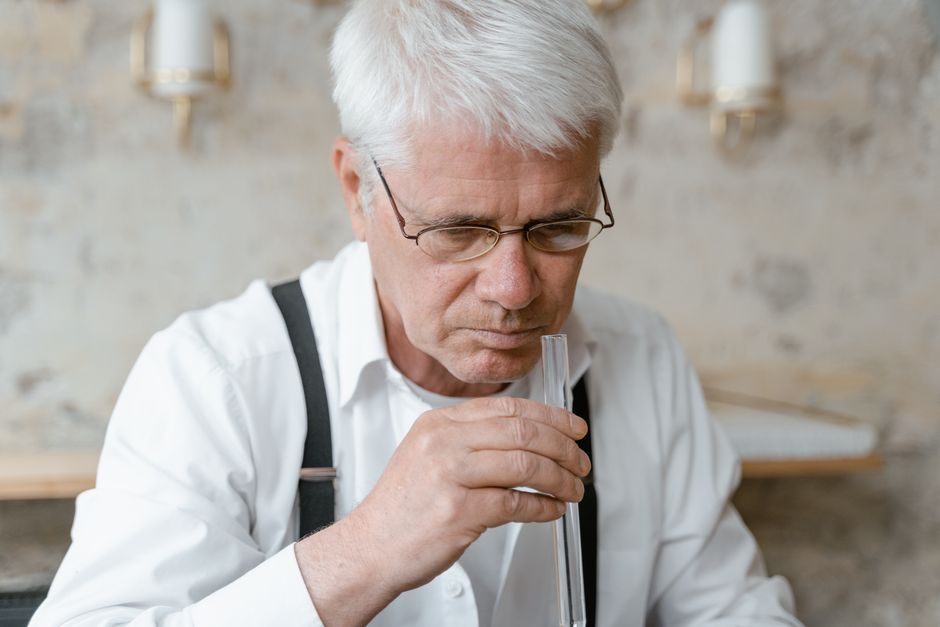
To understand [the rise of](https://t10family.com/en/the-rise-of-micro-schooling-a-new-era-in-modern-education/) scent-scaping, one must first examine how perfume affects the brain and the broader physiology of the human body. Unlike other sensory inputs that travel through the thalamus, scent molecules interact directly with the olfactory bulb, which has a direct highway to the limbic system—the brain’s emotional and memory center. This unique biological pathway explains why the effects of fragrance on emotions, moods, and physiology are so immediate and profound.
When we inhale a scent, the brain processes the information in tandem with our memory and emotional responses. This is why certain aromas can trigger a rapid physiological shift, such as a drop in cortisol levels or an increase in heart rate. Research into the multisensory built environment suggests that when air quality and ambient scent are managed with precision, they can significantly enhance well-being, effectively acting as an invisible layer of interior architecture.
The Neurobiology of Aroma
A common concern among those exploring home fragrance is the safety of synthetic versus natural compounds. A frequent query—does smelling perfume kill brain cells—is a misconception rooted in the misuse of high-concentration industrial chemicals. In reality, the olfactory system is remarkably resilient. However, for those interested in the rigorous evidence behind these claims, a comprehensive perfume research paper PDF from sources like the National Library of Medicine often highlights that while high-quality essential oils and lab-tested fragrances are safe, poor ventilation can lead to overexposure. The key to effective scent-scaping is moderation and the use of high-quality, non-toxic delivery systems.
A Strategic List of Scents and Their Effects

Effective scent-scaping requires a thoughtful approach to scent selection. Different aromas trigger distinct neurochemical responses, allowing homeowners to tailor their space for specific activities. The following table provides a breakdown of common scents and their intended psychological outcomes.
| Scent Category | Common Aromas | Primary Effect |
|---|---|---|
| Citrus | Lemon, Grapefruit, Bergamot | Increased alertness and cognitive focus |
| Floral | Lavender, Jasmine, Rose | Stress reduction and emotional balance |
| Woody | Cedarwood, Sandalwood | Grounding and sense of stability |
| Herbal | Peppermint, Rosemary | Memory retention and mental clarity |
| Warm/Spiced | Vanilla, Cinnamon, Clove | Comfort and feelings of security |
The Rise of Digital Olfaction and Smart Home Tech
The transition from passive scenting—such as candles or reed diffusers—to active scent-scaping is driven by digital technology. Today, we see the integration of smart home hubs with automated scent diffusers that can be programmed based on the time of day or the user’s specific activity. This digital evolution allows for a truly multisensory built environment where the scent of coffee might trigger in the kitchen at 7:00 AM, while a calming sandalwood profile activates in the home office during the afternoon.
By using ambient scent to enhance well-being in the multisensory built environment, designers are creating spaces that “breathe” with the occupant. This technology allows for the layering of scents, where multiple fragrance profiles are balanced to create a complex, non-intrusive olfactory backdrop that feels natural rather than artificial.
FAQ: Frequently Asked Questions
What is the most powerful memory trigger?
The most powerful memory trigger is the olfactory system. Because the olfactory bulb is physically linked to the amygdala and hippocampus, smells can evoke “involuntary autobiographical memories.” This is often called the Proustian effect, where a specific scent brings back a vivid, emotional memory from childhood or a significant life event almost instantaneously, often more effectively than visual or auditory cues.
How do rich people keep their houses smelling so good?
The secret lies in consistency and depth. Rather than relying on a single source, high-end interior design utilizes a “scent-scaping” strategy. This involves the use of professional-grade, cold-air diffusion technology that evenly distributes fragrance at low concentrations, avoiding the overwhelming intensity of cheap candles. They also curate scents based on the room’s function—lighter, cleaner scents in bathrooms and kitchens, and richer, more complex fragrances in living and bedrooms—ensuring the scent is a subtle, ever-present background element rather than a sudden burst of perfume.
What smell can improve your memory?
Studies have consistently pointed to rosemary as one of the most effective scents for cognitive function. Research suggests that the chemical compound 1,8-cineole, found in rosemary, can help improve memory performance and alertness. Peppermint is another scent frequently cited in studies for its ability to increase focus and cognitive speed during complex tasks.
How do girls smell so good all day?
The secret to long-lasting fragrance is not just the perfume itself, but the application method and the base. Many people use a layered approach, starting with a scented body lotion or oil, which provides a fatty base for the perfume molecules to cling to. Additionally, applying fragrance to pulse points—where the skin is warmest—allows the scent to diffuse gradually throughout the day. High-quality perfumes with a higher concentration of base notes, such as musk, amber, or sandalwood, also tend to have more longevity compared to lighter, top-note-heavy scents.
Conclusion
Scent-scaping represents a sophisticated evolution in the way we interact with our homes. By acknowledging the profound influence of fragrance on human physiology and emotion, we can move beyond the purely visual aspects of design to create environments that actively support our mental health. Whether through the integration of smart, digital olfactory technology or the intentional selection of natural botanicals, scent-scaping allows us to construct a home that is not just a place to live, but a tool for well-being. As we continue to refine our understanding of the multisensory home, the use of scent will undoubtedly remain a cornerstone of modern, high-functioning interior design, proving that the most impactful design choices are often the ones we cannot see.