

For generations, the cultural narrative surrounding masculinity has been defined by the silent endurance of hardship. Men have been conditioned to equate stoicism with strength, often viewing the expression of emotional struggle as a departure from traditional masculine virtues. However, the rising tide of isolation and the persistent gap in mental health outcomes between men and women demand a new approach. The emergence of the modern men’s circle is not merely a social trend; it is a vital intervention. By curating intentional spaces for vulnerability and accountability, these groups are redefining brotherhood, offering a framework for men to navigate the complexities of modern life with greater resilience and clarity.
The Evolution of Brotherhood: Why Intentional Spaces Matter

In our current landscape, men often lack a reliable “third space”—an environment distinct from the pressures of the workplace or the responsibilities of the home. Without these intentional outlets, social interactions often remain superficial, centered on shared activities rather than deep, meaningful engagement. A well-structured circle provides space for men to bypass the small talk and address the underlying currents of their lives, from career burnout and relationship strain to existential uncertainty.
The necessity for this shift is backed by research from the American Psychological Association, which consistently highlights that men are statistically less likely to seek professional mental health support. This reluctance is rarely due to a lack of need, but rather a lack of accessible, low-friction environments where vulnerability is the norm rather than the exception. When a group of men commits to a common set of values—honesty, confidentiality, and mutual respect—it creates a safety net that allows for the processing of difficult emotions before they manifest as crisis.
Structuring for Impact: The Difference Between a Hangout and a Circle
While casual social gatherings are beneficial, they do not always foster the depth required for genuine mental growth. Peer-led support groups are most effective when they utilize structured facilitation. An intentional brotherhood is built on a foundation of agreements that ensure every member feels heard and supported. Without structure, conversations often drift toward complaints or trivialities. With structure, a circle becomes a laboratory for emotional intelligence.
Effective circles typically implement the following protocols:
- The Check-In: A dedicated time for each man to speak without interruption, allowing for the ventilation of current stressors.
- Confidentiality: The “what happens in the room stays in the room” pact, which is the cornerstone of trust.
- The No-Fixing Rule: A practice where members learn to listen to understand rather than to provide immediate, unsolicited advice, which often shuts down deeper disclosure.
- Accountability: Setting goals for personal or professional growth and checking in on those commitments in subsequent sessions.
The Anatomy of Connection: Building Resilience Through Vulnerability
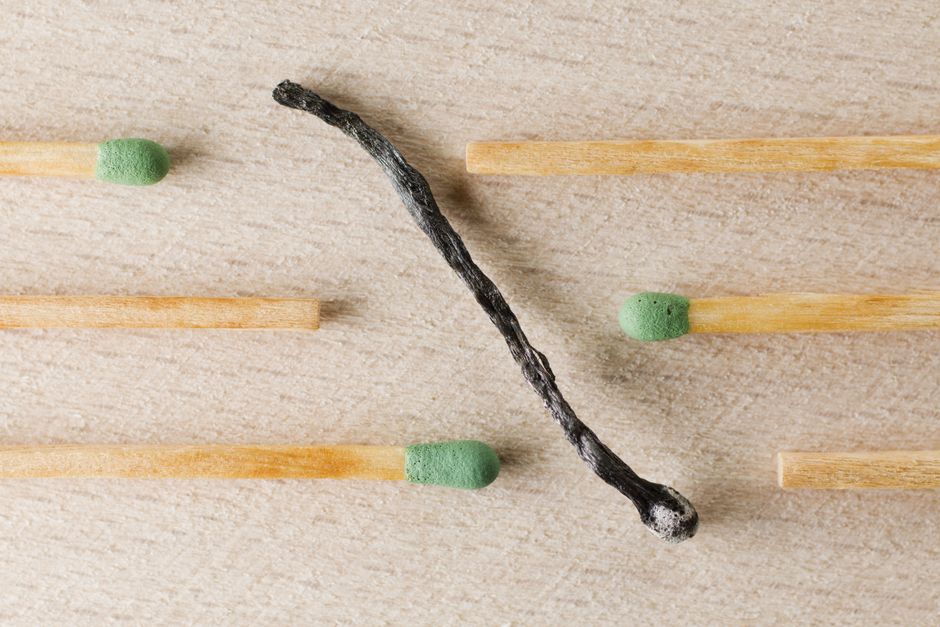
The modern masculine paradigm is undergoing a necessary evolution. The Modern Brotherhood movement posits that vulnerability is not a weakness, but a high-level skill. When a man admits to being overwhelmed, struggling with anxiety, or failing in his personal life, he does not diminish his standing among his peers; he invites them to be authentic as well. This ripple effect is how a community builds collective resilience.
The Psychological Benefits of Disclosure
According to the Journal of Men’s Health, the act of emotional disclosure within a peer group is directly linked to reduced rates of isolation and depression. When men articulate their internal experiences, they move from a state of internal turmoil to externalized perspective. This process helps to normalize the human experience, reminding each member of the circle that their struggles are not unique, nor are they a sign of personal failure. This connection serves as a buffer against the stressors of the modern world, providing a sense of belonging that is essential for long-term health.
| Feature | Casual Social Group | Intentional Men’s Circle |
|---|---|---|
| Focus | Shared activity or entertainment | Emotional growth and accountability |
| Communication | Conversational, often light | Structured, deep, and vulnerable |
| Outcome | Temporary stress relief | Long-term mental fitness |
| Role of Peers | Companions | Witnesses and supporters |
Curating Your Own Circle: A Practical Guide
Starting or joining a circle does not require a clinical background, but it does require commitment and intentionality. If you are looking to build a community of men, focus on quality over quantity. A small group of four to six committed men is often more effective than a large, loosely organized gathering.
Key Steps for Initiation
First, define the intent. Are you seeking a space for career mentorship, emotional processing, or general life support? Being clear about the purpose attracts like-minded individuals. Second, establish a consistent schedule. Reliability is the bedrock of trust. Third, choose a facilitator or rotate the responsibility. Having one person keep time and ensure that the “no-fixing” rule is respected keeps the space from devolving into a gripe session.
Addressing Common Obstacles
Many men fear that joining a circle will feel forced or artificial. It is important to acknowledge that the first few meetings may feel awkward. This is a natural part of the process. The transition from social masking to authentic presence takes time. Encourage participants to “lean into the discomfort,” as that is where the most significant personal breakthroughs occur.
FAQ: Understanding Men’s Circles
Is a men’s circle a form of therapy?
While a circle can be therapeutic, it is not a substitute for professional clinical therapy. It is a peer-led support environment. If an individual is dealing with severe trauma or clinical depression, a community of peers should act as a supplement to, not a replacement for, the care of a licensed professional.
What if I am not comfortable sharing my feelings?
You do not need to share everything immediately. The beauty of an intentional circle is that it allows you to observe first. Many men begin by simply listening. Over time, as you build trust with your brothers, the willingness to share often follows naturally. The circle provides space for you to show up exactly as you are.
How do I find a local group?
There are several national and international organizations dedicated to men’s work. A simple search for “men’s groups” or “men’s support circles” in your area will often yield results. If you cannot find one, the best course of action is to start one with two or three trusted friends who share your desire for deeper connection.
Conclusion
The pursuit of mental fitness is not a solitary journey. By curating intentional environments where men can speak openly and hold one another accountable, we dismantle the outdated, isolating norms that have long hindered the well-being of men. A brotherhood rooted in vulnerability and intentionality does more than just offer support; it empowers men to live more authentic, integrated, and resilient lives. Whether you are seeking to start a new group or join an existing one, taking the first step toward building a community of support is one of the most effective ways to invest in your long-term health. In the end, the circle provides space—not just to talk, but to grow, to evolve, and to thrive together.