
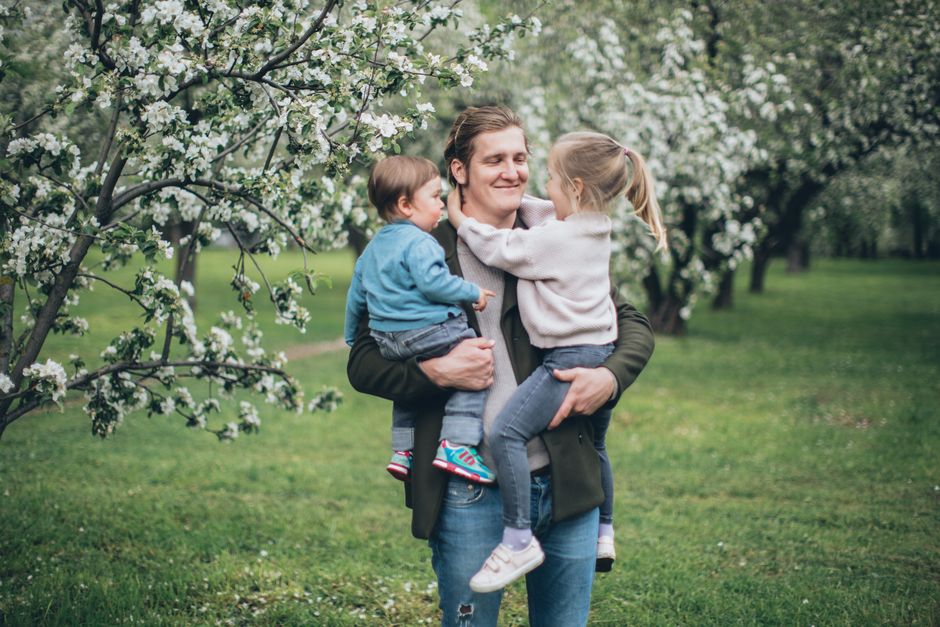
For generations, the cultural script for fatherhood was written in broad, stoic strokes: the father as the provider, the disciplinarian, and the distant pillar of strength. While these roles served a purpose in a different economic and social era, they often created an emotional chasm between men and their children. Today, a profound shift is occurring. We are witnessing a movement toward what many call gentle fathering, a philosophy that prioritizes emotional intelligence, active presence, and collaborative caregiving. By moving away from the rigid expectations of the past, modern men are fathers [redefining](https://t10family.com/en/redefining-fatherhood-the-rise-of-modern-gentle-masculinity/) the very essence of what it means to be a man, proving that strength is not found in emotional suppression, but in the capacity for deep, empathetic connection.
The Evolution of the Fatherhood Narrative

To understand the current transformation, we must first acknowledge the limitations of the past. Traditional masculinity in parenting was largely defined by a division of labor that relegated fathers to the periphery of daily child-rearing. The father was the ultimate authority, often viewed as the “backup” parent who stepped in primarily to enforce rules or handle financial security. This compartmentalization of the father’s role stripped many men of the opportunity to develop the nuanced skills required for caregiving, such as patience, vulnerability, and active listening.
The contemporary movement sees fathers redefining masculinity by rejecting the notion that these traits are inherently feminine. Instead, they are integrating them into a new, holistic model of manhood. This is not about abandoning strength; it is about expanding the definition of it. It takes a significant amount of internal fortitude to sit with a crying toddler, to navigate the complexities of a teenager’s emotional life without resorting to anger, or to prioritize family time over professional accolades. This evolution represents a conscious choice to engage with the domestic sphere as an equal partner rather than a secondary observer.
The Psychological Shift: From Authority to Connection
The core of the gentle fathering movement lies in the transition from a power-based relationship to a connection-based one. In the past, obedience was often extracted through fear or the threat of withdrawal. Today, fathers are discovering that influence is built through trust and consistent emotional availability. When a father practices gentle parenting, he is not abdicating his responsibility to guide his children; he is changing the mechanism of that guidance. By validating a child’s feelings rather than dismissing them, he teaches the child how to regulate their own emotions—a skill that will serve them for a lifetime.
This shift requires men to engage in significant self-reflection. Many of today’s fathers were raised by men who did not have the tools to express affection or vulnerability. Breaking this cycle involves identifying one’s own triggers, understanding the roots of one’s impulses, and choosing a different path. This internal work is the hallmark of the modern man, marking a departure from the reactive parenting styles of previous generations.
Key Pillars of Modern Fatherhood

Fathers redefining their impact on the family dynamic are focusing on several key pillars that differentiate them from their predecessors. These practices are not just beneficial for the children; they are transformative for the men themselves.
- Emotional Literacy: Moving beyond the limited lexicon of “happy” or “angry” to help children understand the full spectrum of human experience.
- Active Presence: Prioritizing time over material provision. This means being mentally and physically present during mundane activities, not just during big events.
- Collaborative Coparenting: Viewing the parenting journey as a true partnership, where labor, decision-making, and emotional loads are shared equitably.
- Vulnerability as Strength: Modeling how to admit mistakes, apologize, and express fear or sadness, which gives children permission to be human.
The Economic and Social Drivers
This shift is not occurring in a vacuum. Economic realities, such as [the rise of](https://t10family.com/en/the-rise-of-intergenerational-co-living-a-modern-family-shift/) dual-earner households, have necessitated a more flexible approach to domestic life. As mothers have moved into the workforce in greater numbers, the old “provider-homemaker” dichotomy has become increasingly obsolete. Furthermore, the modern workplace is—albeit slowly—beginning to acknowledge the importance of paternity leave and flexible hours. When fathers are given the space to be present during the earliest stages of a child’s life, they form foundational bonds that make active, gentle parenting a natural extension of their daily lives.
Comparison of Parenting Archetypes
| Feature | Traditional Fatherhood | Modern Gentle Fathering |
|---|---|---|
| Primary Focus | Provision and Discipline | Connection and Emotional Growth |
| View of Emotions | Suppression of “weak” feelings | Regulation and expression of all feelings |
| Conflict Style | Authoritarian/Command | Collaborative/Problem-solving |
| Role in Household | Head of Household/External | Equal Partner/Internal |
Addressing the Challenges of the Shift
While the movement toward gentle fathering is gaining momentum, it is not without its hurdles. Many men still feel the weight of social expectations that label tenderness as weakness. Navigating a world that often praises the “tough guy” while attempting to be a nurturing, present father can create a form of cognitive dissonance. Furthermore, the lack of role models who successfully balanced strength with softness can leave men feeling like they are navigating uncharted territory.
To overcome these challenges, many men are turning to peer support networks. Whether through digital communities, parenting groups, or simply having honest conversations with friends, men are finding that they are not alone in their desire to parent differently. By sharing their struggles and successes, they are building a new culture of support that validates their choices and reinforces the idea that fathers redefining their roles is a sign of progress, not a departure from their masculinity.
Frequently Asked Questions
Does gentle fathering mean I cannot be firm or set boundaries?
Absolutely not. Gentle fathering is often misunderstood as “permissive” parenting. In reality, it involves setting clear, firm boundaries, but doing so with respect and empathy. It is about holding the line without resorting to shame, threats, or physical punishment. The goal is to teach the child the “why” behind the rules, fostering internal discipline rather than external compliance.
How can I start this transition if I never had a positive role model?
The best way to start is through self-education and mindfulness. Read books on child development and emotional intelligence, and commit to “re-parenting” yourself by noticing your own emotional triggers. It is perfectly acceptable to tell your children, “I am learning how to handle this better, and I want us to figure it out together.” Modeling the process of growth is a powerful lesson in itself.
Is this shift primarily for young fathers?
While it is easier to build these habits from the start, this shift is relevant for fathers at any stage of their children’s lives. Even if your children are teenagers or young adults, shifting toward a more open, communicative, and empathetic relationship can repair past rifts and build a stronger foundation for your future relationship as adults.
Conclusion
The movement of fathers redefining masculinity through gentle parenting is one of the most positive social developments of our time. By shedding the rigid, outdated expectations of the past, men are discovering that their role as a father is not diminished by emotional availability, but rather enriched by it. This transition requires courage, patience, and a willingness to challenge the status quo, but the rewards—a deeper bond with one’s children, a more equitable home life, and a more authentic expression of self—are immeasurable. As more men embrace this model, we are not just changing how we raise the next generation; we are fundamentally evolving the human experience of what it means to be a man.