
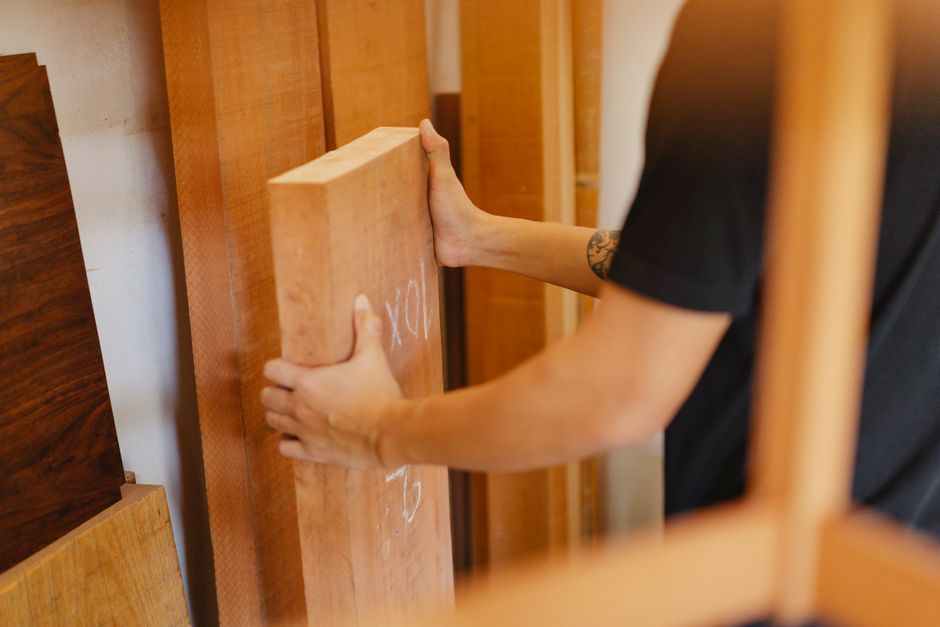
The Return to Permanence: Why Modern Men Are Choosing Craftsmanship
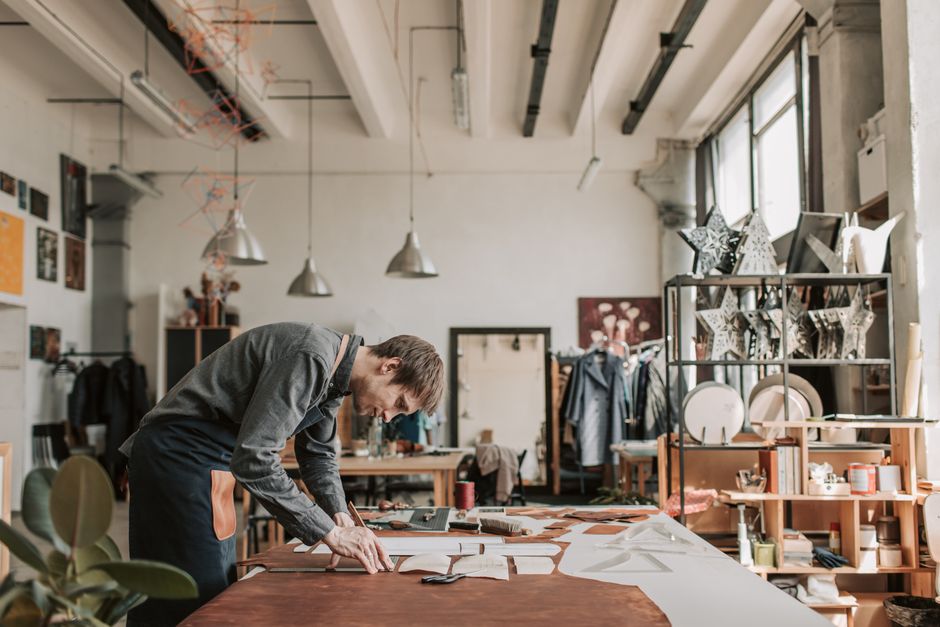
There is a quiet revolution occurring in the way men curate their lives, rooted in a rejection of disposable culture. For decades, consumers were conditioned to treat clothing, furniture, and tools as ephemeral items—meant to be acquired, used briefly, and discarded. Today, a palpable fatigue has set in. Men are increasingly turning away from mass-produced, trend-driven synthetic goods, seeking instead the tactile honesty of traditional craftsmanship. This shift is a calculated investment in permanence, utility, and the profound satisfaction that comes from owning objects built with intention.
The Philosophy of Purpose: Lessons from the Past

To understand the resurgence of the handmade, we must look to the Arts and Crafts movement of the late 19th century. Emerging as a reaction against the dehumanizing effects of the Industrial Revolution, this movement championed the dignity of the maker and the integrity of the object.
Key Principles of the Movement
- The Human Connection: Thinkers like John Ruskin argued that the quality of an object is intrinsically linked to the spirit of the person who created it.
- Honest Materials: William Morris emphasized the use of natural fibers and raw materials, rejecting the shoddy construction of mass production.
- Form Follows Function: Design is not about decoration for its own sake, but about highlighting the integrity of the construction, such as visible joinery or reinforced seams.
Why Craftsmanship Matters in a Digital Age
In an era dominated by screens, the physical world has become a sanctuary. When a man selects a pair of hand-welted boots or a jacket made from heavy-gauge, selvedge denim, he is engaging in a sensory dialogue with the object. The weight of the material and the precision of the stitching serve as physical evidence of care—the direct antithesis of fast fashion, which is engineered to look good online but fail under the stress of daily movement.
This obsession with craft is not merely vanity; it is a form of collective education. By sharing details about fabric weaves and construction methods, men are learning to identify the markers of quality, transforming their purchasing habits into a quiet, internal status symbol based on discernment and practicality.
The Evolution of Utility
The convergence of heritage design and modern utility is best exemplified by the evolution of functional garments. A contemporary utility kilt, for instance, strips away purely aesthetic concerns to focus on modularity and durability. Crafted from high-grade canvas or wool and reinforced with functional pockets, it bridges the gap between traditional craft and the needs of a modern, mobile lifestyle.
The true aesthetic of utility is the understanding that an object is not finished when it leaves the workshop; it is finished when it has been lived in. Unlike synthetic garments that pill and fade, high-quality pieces improve with use, developing a patina that tells the story of the wearer’s life.
Comparison: Mass-Produced vs. Traditional Craft
| Feature | Mass-Produced Fashion | Traditional Craftsmanship |
|---|---|---|
| Production Focus | Speed and low cost | Durability and integrity |
| Material Choice | Synthetic or cheap fibers | Natural, raw materials |
| Aging Process | Degrades and breaks | Develops patina; improves |
| Design Ethos | Trend-driven | Timeless and functional |
Frequently Asked Questions
How can I identify high-quality craftsmanship in clothing?
Focus on the details that require time to execute. Look for reinforced stitching at stress points (such as underarms or crotches), significant fabric weight, and generous seam allowances that allow for future alterations. Consistent, tight thread tension is a hallmark of a skilled maker.
Is investing in traditional craft more expensive?
While the upfront cost is higher, the cost-per-wear is almost always lower. A mass-produced item that must be replaced annually is a poor investment compared to a garment built to last a decade or more. You are paying for long-term value, not short-term convenience.
Conclusion
The return to traditional craftsmanship is a rejection of the ephemeral culture that has defined the last few decades. By choosing objects built with intention, men are [reclaiming](https://t10family.com/en/reclaiming-the-rite-of-passage-why-modern-mentorship-matters/) a sense of agency. In a world that is increasingly [digital](https://t10family.com/en/digital-minimalism-reclaiming-focus-in-an-age-of-distraction/) and disposable, the most radical act a man can perform is to invest in something built to last—something that respects the hands that made it and only improves with the passage of time.