
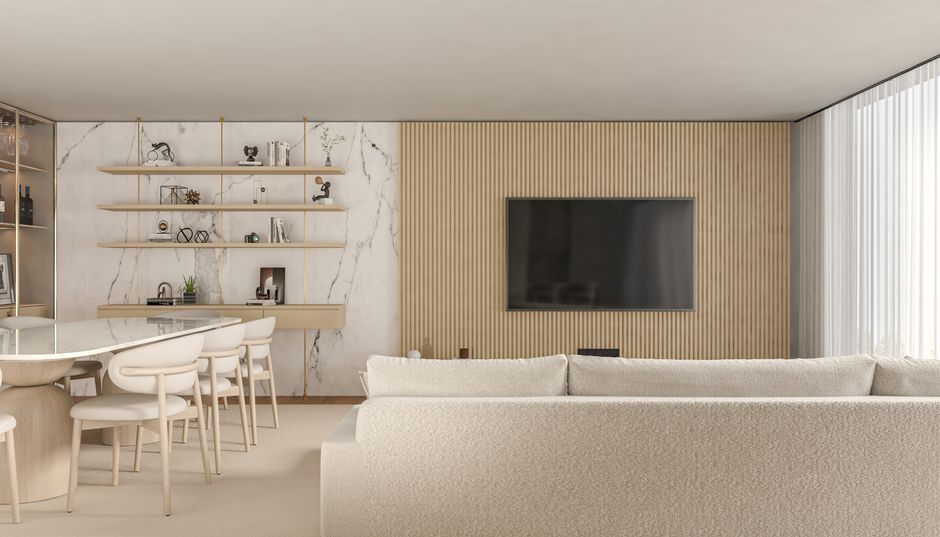
For decades, interior design was primarily evaluated through the lens of visual appeal and functional utility. However, a transformative shift is occurring within the industry as professionals move toward a more evidence-based approach. The rise of neuroaesthetics in interior design represents the convergence of neuroscience and architectural practice, shifting the focus from how a room looks to how a room makes us feel. By leveraging the science of design, practitioners are now curating environments specifically engineered to support emotional regulation, cognitive performance, and holistic well-being.
Understanding the Foundations of Neuroaesthetics
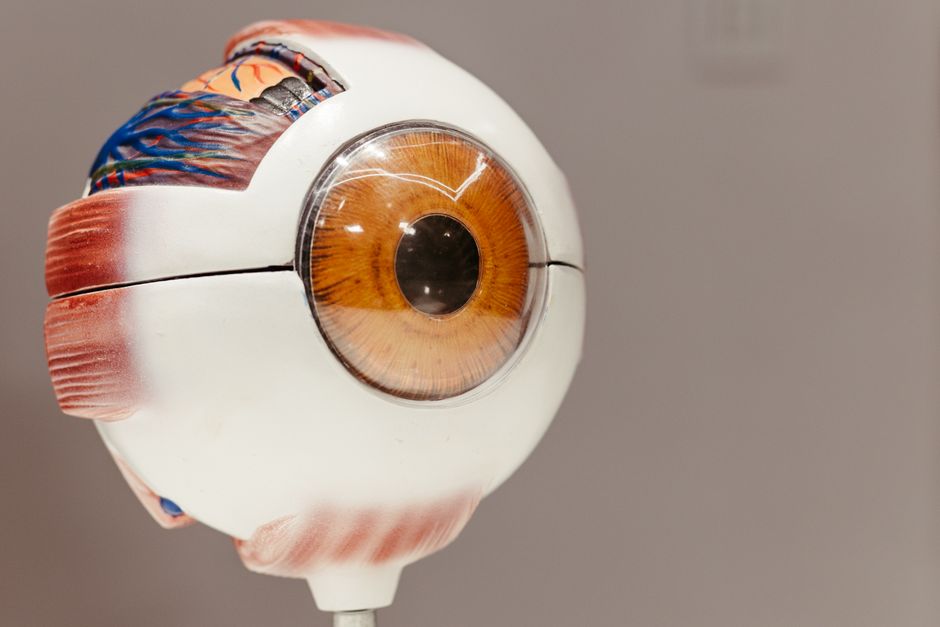
Neuroaesthetics is the scientific study of the neural bases for the contemplation and creation of a work of art or design. At its core, the discipline seeks to understand how our brains process environmental stimuli—such as light, texture, color, and geometry—and how those inputs influence our physiological and psychological states. By applying these principles, designers can move beyond subjective trends to create spaces that actively harmonize with the human nervous system.
The Biophilic Connection
A foundational pillar of this movement is the biophilia hypothesis, which posits that humans possess an innate tendency to seek connections with nature. Research suggests that integrating organic elements into interior spaces is not merely an aesthetic choice but a biological necessity. Incorporating natural light, living plants, and natural textures has been shown to lower cortisol levels and reduce physiological stress. When we design with these elements, we are essentially satisfying a deep-seated evolutionary requirement for environmental connection, which in turn fosters a sense of safety and calm.
Geometry and Cognitive Load
The geometry of a space plays a profound role in how our brains process information. Studies in the Architectural Science Review indicate that spaces characterized by high visual complexity without underlying order can lead to cognitive overload, causing feelings of anxiety or agitation. Conversely, the concept of organized complexity—often found in nature through fractal patterns—promotes positive emotional regulation. Designers are increasingly utilizing curved lines and soft transitions, which tend to be perceived as less threatening than sharp, angular forms, thereby encouraging a more relaxed state of mind.
The Impact of Sensory Cues on Emotional Regulation

Neuro-aesthetic design is inherently multisensory. While visual impact is often the first point of contact, the regulation of the nervous system relies on the interplay of color, sound, and spatial volume. Understanding the neurological impact of these variables allows designers to tailor environments to specific human needs, whether that involves high-energy collaboration or restorative solitude.
Color Psychology and Physiological Response
Color is one of the most immediate influencers of the autonomic nervous system. According to research in color psychology, warm tones such as reds and oranges tend to increase arousal levels and heart rates, making them suitable for active, social environments. In contrast, cool tones like blues and greens are frequently associated with lower heart rates and reduced blood pressure. By strategically selecting palettes based on the intended function of the room, designers can create environments that support the desired emotional state of the occupants.
| Design Element | Neurological Impact | Ideal Application |
|---|---|---|
| Cool Tones (Blues/Greens) | Decreased heart rate; calm | Bedrooms and quiet work zones |
| Warm Tones (Reds/Oranges) | Increased arousal; stimulation | Social areas and creative studios |
| Fractal Patterns | Reduction in mental fatigue | High-traffic corridors and waiting rooms |
| Curved Geometry | Perceived safety and comfort | Lounge areas and residential living rooms |
Professional Advancement: Education and Certification
As the demand for evidence-based design grows, the industry is seeing a surge in interest regarding professional development. Designers are looking for structured ways to integrate neuro-scientific findings into their workflows. Whether through formal neuro interior design certification programs or targeted neuroaesthetics courses, practitioners are seeking the credentials necessary to substantiate their design decisions with scientific data.
Navigating the Learning Landscape
The pursuit of expertise in this field often begins with science in design webinars and intensive workshops. These educational pathways offer insights into how the brain interprets spatial volume, acoustics, and lighting. A comprehensive neuroaesthetics certification typically covers the intersection of psychology, biology, and architecture, providing designers with a rigorous framework to justify their design choices to clients and stakeholders. This shift toward evidence-based practice is essential, as clients increasingly demand spaces that contribute to their long-term health and well-being.
FAQ: Implementing Neuroaesthetics
What is the primary goal of neuroaesthetics in interior design?
The primary goal is to curate spaces that optimize human health and emotional regulation. By understanding how the brain responds to environmental factors, designers can create interiors that reduce stress, improve cognitive function, and enhance overall quality of life.
How does neuro-aesthetic design differ from traditional interior design?
Traditional design often prioritizes visual aesthetics and current trends. Neuro-aesthetic design prioritizes the biological and neurological impact of the environment on the user, using scientific research to guide decisions regarding layout, light, color, and form.
Can neuroaesthetics be applied to small-scale residential projects?
Absolutely. The principles of neuroaesthetics are universal. Even in small residential spaces, incorporating natural light, calming color palettes, and organized, uncluttered layouts can significantly improve the emotional well-being of the inhabitants.
Where can designers find credible resources on this topic?
Designers should look for reputable neuroaesthetics courses and science in design webinars offered by accredited institutions or industry organizations. Peer-reviewed journals and academic literature on environmental psychology are also excellent sources for foundational knowledge.
Conclusion
The rise of neuro-aesthetic interior design marks a significant maturation of the profession. By moving away from purely decorative approaches and embracing the science of design, the industry is positioning itself to play a vital role in human health. As we continue to spend the vast majority of our time indoors, the environments we inhabit must be designed with our neurological needs in mind. Whether through the pursuit of a neuro interior design certification or the application of biophilic principles, the future of the built environment lies in spaces that do not just look well, but actively promote the well-being of those who occupy them.