

The landscape of veterinary medicine is undergoing a profound transformation as technology evolves to meet the needs of our beloved companion animals. While once limited to reactive treatments after clinical symptoms appeared, modern pet care is shifting toward a proactive, data-driven model. At the forefront of this evolution is the integration of AI veterinary diagnostics. By leveraging sophisticated algorithms and longitudinal health data, veterinarians and pet owners can now utilize early warning systems to detect canine ailments long before they become life-threatening. This technological leap promises to extend the lives of our dogs by providing a window of opportunity for intervention that was previously unavailable to the average pet owner.
The Mechanics of Predictive Pet Health
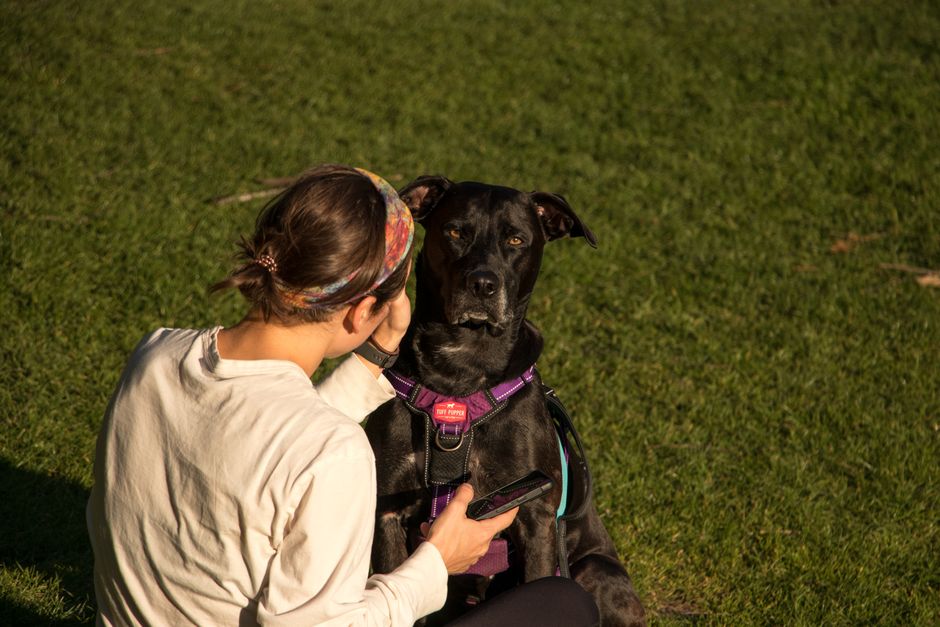
Predictive health relies on the ability to process vast amounts of physiological data to identify patterns that the human eye might miss. Unlike traditional diagnostic methods that rely on point-in-time snapshots of health, AI-driven systems monitor a dog over time. This continuous stream of data allows machine learning models to establish a baseline of normal behavior and physiology for each individual animal, making deviations easier to spot.
Wearable Technology and Real-Time Monitoring
One of the most accessible forms of this technology is the AI-driven wearable device. These collars and harnesses are equipped with sensors that monitor heart rate, respiratory patterns, and activity levels. By analyzing these metrics, AI can identify subtle changes that often precede the clinical manifestation of canine heart disease or respiratory distress. When the algorithm detects a deviation from the established baseline—such as an increased resting respiratory rate—it can send a notification to the owner, prompting a check-up before the condition reaches a critical state.
Longitudinal Data and Chronic Condition Management
Chronic conditions, such as osteoarthritis, often progress silently, with symptoms appearing only once the disease is advanced and painful. Machine learning algorithms are now being applied to longitudinal health data to predict the onset of these conditions. By analyzing gait analysis, weight distribution, and daily activity levels over months or years, these systems can flag potential joint issues long before a dog shows signs of limping. This allows for early intervention through physical therapy, weight management, or supplements, significantly improving the quality of life for aging companion animals.
Computer Vision in Veterinary Dermatology

Dermatological issues are among the most common reasons for veterinary visits. However, distinguishing between benign skin tags and malignant tumors can be difficult without invasive biopsies. Computer vision technology is changing this by providing a high-accuracy, non-invasive method for analyzing skin lesions. By training AI models on thousands of images of verified canine skin conditions, these tools can assist veterinarians in assessing the risk level of a lesion during a routine examination. This capability acts as an essential early warning system for skin cancer, allowing for surgical removal while the margins are still small and manageable.
The Role of Digital Literacy and Simulation
As technology permeates every aspect of our lives, even digital environments are being used to foster a better understanding of pet care. While some might conflate advanced diagnostics with casual gaming—such as the simulation of an Animal Hospital AI Roblox experience—it is important to distinguish between educational engagement and clinical-grade diagnostic tools. Engaging with digital platforms can help owners learn about the importance of routine check-ups, but it is the actual AI veterinary diagnostics integrated into clinical practice that provide the actionable, high-fidelity data necessary for life-saving interventions.
Diagnostic Accuracy: A Comparative Overview
Understanding how different technologies contribute to overall canine health is vital for pet owners. The following table illustrates how various AI applications assist in the early detection of common health issues.
| Technology | Primary Focus | Early Warning Capability |
|---|---|---|
| Wearable Sensors | Heart and Respiratory Health | Identifies distress before physical symptoms emerge. |
| Machine Learning Data | Chronic/Degenerative Disease | Predicts osteoarthritis based on gait and activity. |
| Computer Vision | Dermatology and Oncology | Flags suspicious lesions for professional biopsy. |
| Predictive Analytics | Systemic Health Trends | Tracks long-term wellness to prevent acute failure. |
Frequently Asked Questions
Can AI replace the need for regular veterinary visits?
No, AI is designed to augment, not replace, the expertise of a veterinarian. These tools provide data and early warning alerts that inform professional decision-making. A veterinarian must always interpret the data and conduct a physical examination to determine the appropriate treatment plan for your dog.
Is my dog’s data safe when using AI-driven health trackers?
Data privacy is a significant priority for reputable veterinary technology companies. Most systems use encrypted, anonymized data to train their algorithms. It is essential for pet owners to review the privacy policies of any device or application they use to ensure they are comfortable with how their pet’s health information is stored and utilized.
At what age should I start using predictive health technology for my dog?
Predictive health technology is beneficial at any age. For puppies, it can help monitor developmental milestones and detect congenital issues. For adult and senior dogs, it is invaluable for catching age-related conditions early, such as heart disease or arthritis, which is why many veterinarians recommend starting as early as possible to establish a healthy baseline.
What should I do if my AI app sends a health warning?
If an app sends an alert, do not panic, but do not ignore it. The first step is to document the behavior or symptoms the app is highlighting. If the warning persists, contact your veterinarian and share the data provided by the system. This information is highly valuable to your vet, as it provides a record of the changes that led to the warning.
Conclusion
The integration of artificial intelligence into veterinary medicine represents a monumental shift in how we approach the health of our companion animals. By embracing these AI-driven early warning systems, pet owners can move away from the stress of emergency medical care and toward a future defined by preventative wellness. Whether through wearable sensors that track vital signs or sophisticated computer vision that monitors skin health, these tools offer a proactive way to safeguard our pets against disease. As this technology continues to mature, the bond between humans and animals will only strengthen, supported by the peace of mind that comes with knowing we are doing everything possible to ensure our dogs live long, healthy, and comfortable lives.