
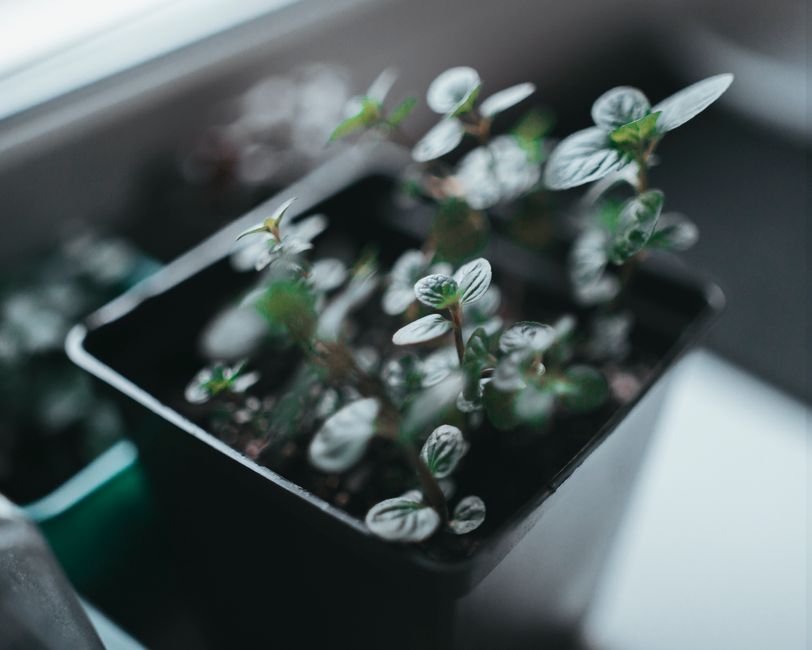
For many home cooks, the dream of a kitchen herb garden is often thwarted by the reality of apartment living. Many culinary favorites are sun-worshippers, requiring eight or more hours of direct exposure that most windowless or north-facing units simply cannot provide. However, a lack of intense, direct sun does not mean you have to abandon your indoor herb garden aspirations. By selecting the right species and mastering the nuances of indoor plant care, you can maintain a productive supply of fresh greens even in spaces with limited illumination. Understanding which herbs grow well in the shade is the first step toward transforming your windowsill into a functional culinary asset.
Understanding Light Requirements for Indoor Herbs

Before selecting your plants, it is crucial to understand that plants for apartments with low light do not mean “no light.” All vegetation requires some level of light to undergo photosynthesis. In an indoor environment, light is the primary limiting factor. Even the most shade-tolerant varieties will struggle in a windowless closet or a dark corner far from any window. The key is to optimize the light you do have. Most herbs that grow in shade will perform best when placed near an east-facing window, which provides gentle morning sun, or a west-facing window for afternoon light. If your apartment is particularly dim, supplemental LED grow lights can bridge the gap, allowing you to cultivate flavor-packed herbs throughout the winter months.
10 Herbs That Thrive in Low-Light Apartments
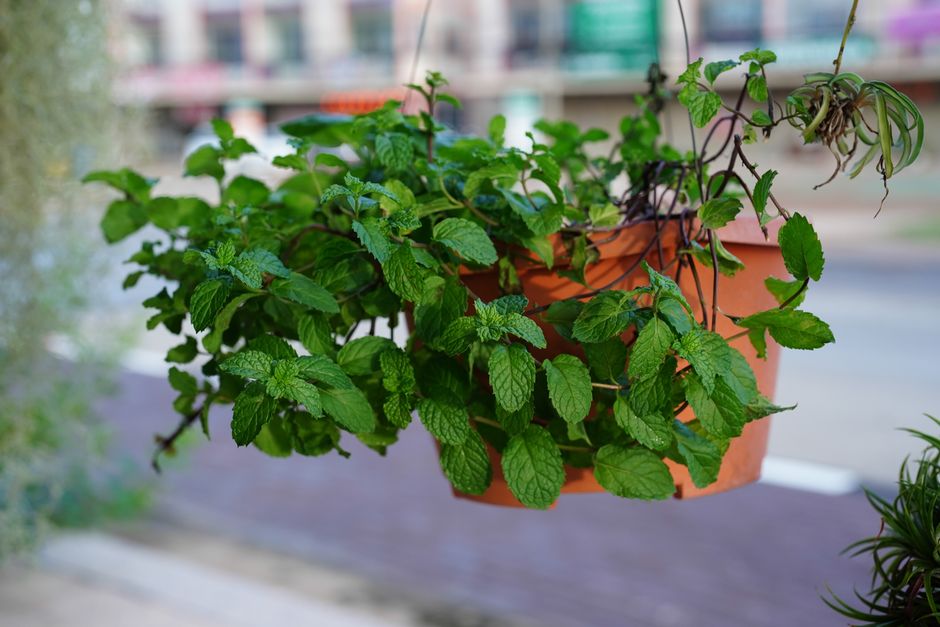
When selecting your indoor collection, focus on soft-leaved, shorter-stature species. These plants are generally more adaptable to lower light levels than woody perennials. Here are 10 excellent choices for your indoor garden:
1. Mint
Perhaps the most resilient of all, mint is a champion of the shade. Whether you prefer peppermint or spearmint, this hardy plant is perfect for containers. Because it grows via aggressive underground rhizomes, keeping it in a pot is actually an advantage for the indoor gardener. It provides a lush, fragrant addition to your kitchen and is ideal for teas, sauces, and desserts.
2. Chives
Chives are remarkably unfussy. They handle lower light conditions with grace and offer a constant supply of onion-flavored greens. Because they are difficult to dry effectively, growing them fresh is the best way to enjoy their mild, savory zing in your winter soups and baked potatoes.
3. Parsley
Whether you choose flat-leaf or curly varieties, parsley is a staple that adapts well to indoor life. It is a slow-growing herb that doesn’t mind a bit of shade. By harvesting the outer stems regularly, you can keep the plant productive for a long time.
4. Cilantro
Cilantro is known for “bolting” or going to seed quickly when it gets too hot or bright. Interestingly, a slightly lower-light environment can actually help delay this process, keeping your cilantro in the leafy stage longer. This makes it a surprisingly good candidate for apartment windowsills.
5. Lemon Balm
As a member of the mint family, lemon balm shares that family’s hardiness. It produces beautiful, serrated leaves with a bright, citrusy aroma that is perfect for infusing into water or tea. It is one of the most reliable 15 herbs that grow well in the shade, making it a must-have for aromatic indoor gardens.
6. Oregano
While often associated with sun-drenched Mediterranean hillsides, oregano is surprisingly tolerant of partial shade. Keep it in a well-draining pot and let the soil dry out between waterings to prevent root rot. It brings an essential earthy profile to your indoor harvest.
7. Thyme
Thyme is a tougher, woody herb, but certain varieties, like lemon thyme, can adapt to bright, indirect light. Because it prefers drier soil, ensure your container has excellent drainage. It is a slow, steady grower that rewards patience with a deep, complex flavor.
8. Chervil
Chervil is a delicate herb often overlooked by home cooks. It thrives in cooler temperatures and lower light, making it an ideal choice for a northern-facing apartment window. Its subtle, anise-like flavor is a sophisticated addition to egg dishes and light sauces.
9. Sweet Cicely
This is an excellent, lesser-known herb that loves shaded conditions. It has a natural sweetness and a fern-like appearance that adds aesthetic value to your apartment. It is perfect for those looking to experiment with unique flavors in their cooking.
10. Tarragon
French tarragon is a culinary powerhouse. While it prefers some sunlight, it is capable of producing flavorful foliage in bright, indirect light. Ensure it is not overwatered, as it dislikes “wet feet” and will suffer in heavy, stagnant soil.
Essential Care Tips for Shade-Tolerant Herbs
Growing herbs in low light requires a shift in traditional gardening habits. Because the plants are not receiving intense sun, their metabolic rate is slower. This means they require less water and less fertilizer. Overwatering is the most common cause of failure; always check the top inch of soil before adding more water. Furthermore, frequent harvesting is not just for cooking—it is a vital maintenance practice. Pinching back the growing tips encourages the plant to branch out, [creating](https://t10family.com/en/creating-lasting-family-memories-tips-activities/) a bushier, more compact specimen that is better equipped to utilize available light.
| Herb | Best Use | Growth Habit |
|---|---|---|
| Mint | Teas, Sauces | Spreading |
| Chives | Garnishes, Soups | Clumping |
| Parsley | General Cooking | Upright |
| Oregano | Mediterranean Dishes | Trailing |
Frequently Asked Questions
What herbs can grow indoors with minimal light?
The most successful herbs for minimal light are those with soft leaves, such as mint, chives, parsley, and cilantro. These species are naturally accustomed to cooler, shaded environments and will perform better than woody, sun-loving varieties like rosemary or lavender.
What herbs grow with minimal sunlight?
While no plant can grow in total darkness, mint, chervil, and lemon balm are among the most tolerant of low-light conditions. When grown in an apartment, placing these herbs as close to a window as possible—even if that window faces north—will provide the necessary energy for steady, albeit slower, growth.
What are the best plants for apartments with low light?
For culinary purposes, the best choices are mint, chives, and parsley. These are highly forgiving and provide a high yield of edible leaves relative to the light they receive. If you are looking for non-culinary options, consider catmint or sweet woodruff, which are both highly shade-tolerant.
What are the top 10 must-have herbs?
A well-rounded indoor garden should include the “culinary big three”: mint, chives, and parsley. To round out your top 10, add oregano, thyme, cilantro, lemon balm, tarragon, chervil, and sweet cicely. This selection ensures you have a diverse range of flavors for both savory dishes and soothing beverages.
Conclusion
Creating an indoor herb garden is a rewarding endeavor that brings both greenery and fresh flavor into your home. By selecting the right varieties—specifically those that are naturally adapted to partial shade—and providing them with consistent care, you can overcome the challenges of apartment living. Remember to prioritize proper drainage, avoid over-fertilization, and harvest your herbs frequently to maintain their vitality. With a little patience and the right approach to very low light indoor plants, you can enjoy a productive, year-round harvest that elevates your cooking and brightens your living space.