
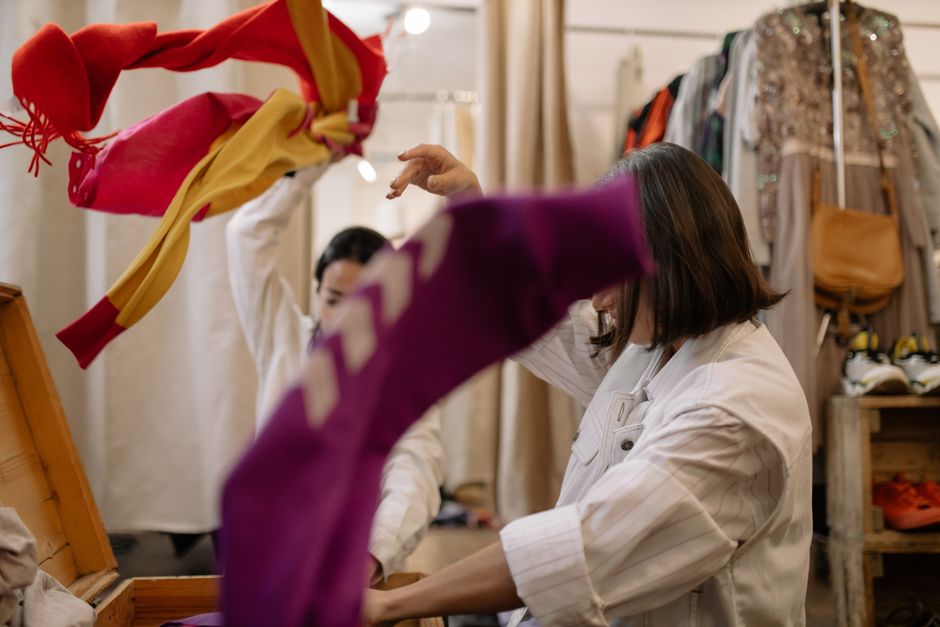
For many, the morning routine of staring into a closet filled with clothes only to feel like there is nothing to wear has become a universal source of frustration. This cycle of dissatisfaction often fuels a damaging loop: we buy more to fill the perceived gaps, leading to cluttered spaces and a growing environmental footprint. However, a new wave of technology is attempting to break this habit. AI-powered wardrobe curation is transforming how we interact with our own belongings, shifting the focus from mindless acquisition to intentional ownership. By leveraging digital tools, consumers can finally unlock the potential of what they already own, proving that the most sustainable fashion choice is often the one you have already made.
The Environmental Case for Digital Wardrobes

The global fashion industry is a significant contributor to environmental degradation, characterized by rapid production cycles and a “buy-and-discard” mentality. The sheer volume of fashion waste generated annually is staggering, yet researchers have identified a simple but powerful lever for change: longevity. Studies indicate that extending the life of our clothes by just nine months can reduce their total environmental impact—including carbon, water, and waste footprints—by approximately 30 percent. This statistic highlights that the most effective way to combat fashion waste is not necessarily buying “sustainable” new items, but rather caring for and wearing the pieces currently hanging in our closets.
Digital wardrobe platforms are designed to facilitate this shift in behavior. By digitizing your closet, you create a visual inventory that makes it easier to see what you own, identify gaps, and rediscover forgotten pieces. When users move away from the mindset of constant consumption and toward a philosophy of care, the benefits are twofold. First, it reduces the demand for new items. Second, it provides valuable data. If enough consumers use these fashion apps, brands could eventually access aggregated data on what people actually own and how they utilize those items. This insight could help manufacturers pivot toward more intentional production models, potentially reducing the massive overproduction that currently plagues the industry.
How AI-Powered Apps Help You Curate Your Style
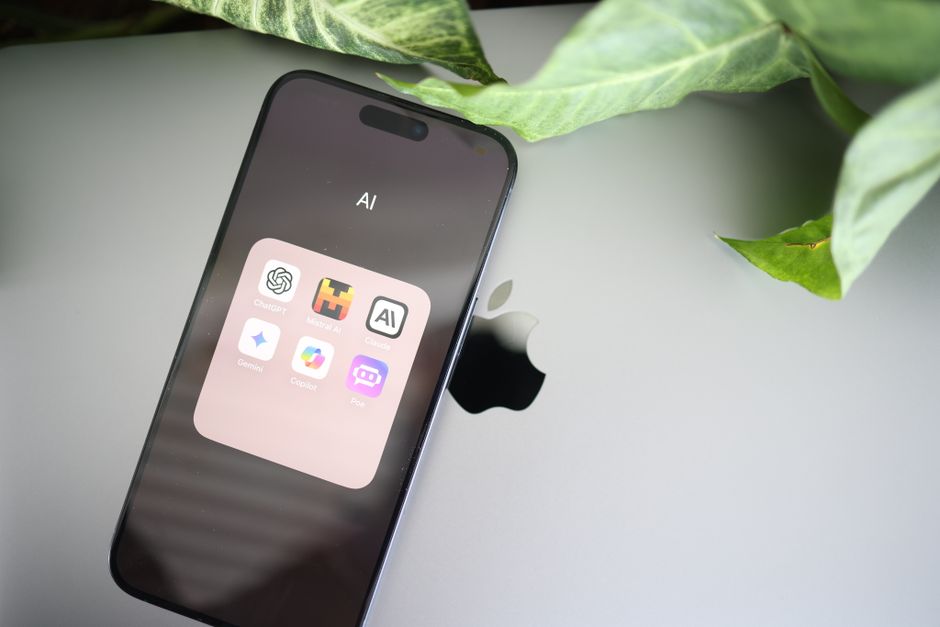
The rise of sophisticated fashion apps has brought the power of a personal stylist into the palm of your hand. These tools use machine learning to suggest outfit combinations that the average person might never think to pair together. By analyzing the color, texture, and style of your existing garments, these algorithms help you maximize the utility of your wardrobe.
From Consumption to Curation
Many users report that the process of digitizing their wardrobe is a transformative experience. While the initial setup—photographing and cataloging garments—takes time, it forces a confrontation with one’s own shopping habits. Many individuals have found that this process acts as a remedy for “shopping addiction.” By seeing the sheer volume of items already at their disposal, the urge to purchase something new often dissipates. The app becomes a mirror, showing you that your style is already there; you just need the right organization to see it.
The Hybrid Model: AI Meets Human Intuition
While algorithms are excellent at sorting data and suggesting combinations, they lack the empathy and psychological insight of a human professional. This is why hybrid platforms, such as Thimble and Thread, are gaining traction. These services combine the technical efficiency of AI—which can handle the heavy lifting of inventory management—with the nuanced guidance of a real stylist. A human expert can interpret why you might feel hesitant about a particular piece or help you navigate life transitions, such as postpartum recovery, a career shift, or changes in body shape. These are moments when your style needs to evolve, and a human stylist can offer the emotional support that an algorithm simply cannot provide.
Addressing the Challenges of Fashion Overconsumption
To truly solve the issue of overconsumption, we must address the psychological drivers behind why we shop. Often, we buy clothes to solve a lack of confidence or to signal a change in our lives. AI can help by providing clarity, but the responsibility remains with the consumer to change their approach to ownership.
| Feature | AI-Only Apps | Hybrid Stylist Platforms |
|---|---|---|
| Primary Function | Data-driven outfit suggestions | Personalized, empathetic styling |
| Best For | Budget-conscious, tech-savvy users | Life transitions and style identity |
| Psychological Support | Minimal | High (Confidence building) |
| Sustainability Impact | High (Inventory management) | High (Long-term wardrobe planning) |
The shift toward a circular economy requires us to value what we have. When you use an app to plan your outfits, you start to see your clothes as assets rather than disposable commodities. This shift reduces the impulse to buy, as the “need” for something new is often replaced by the creative challenge of restyling [what is](https://t10family.com/en/what-is-micro-retirement-a-new-approach-to-career-planning/) already in your possession.
Frequently Asked Questions
Can AI really help me stop buying new clothes?
Yes, by digitizing your closet, you gain a clearer picture of your actual inventory. Many users find that they have been ignoring large portions of their wardrobe. When you can see every item you own, it becomes much easier to curate outfits from existing pieces, which significantly curbs the urge to shop for items you do not truly need.
Is it worth the time to digitize my entire wardrobe?
While the initial process of cataloging your clothes can take a weekend, most users find the investment of time to be well worth it. It simplifies your morning routine, prevents future overspending, and helps you develop a more intentional, sustainable approach to your personal style.
How does AI contribute to reducing fashion waste?
AI helps by extending the lifecycle of garments. By suggesting new ways to wear items you already own, you are essentially keeping those items in use longer. Additionally, as these fashion apps scale, the data they collect can help brands understand consumer needs better, which could eventually lead to more accurate production cycles and less unsold inventory.
Does AI replace the need for a stylist?
AI is best viewed as a tool, not a replacement. While algorithms can suggest outfits based on data, they cannot understand the emotional connection you have with your clothes or how your confidence is tied to your self-image. A human stylist provides the empathy and creative vision that makes fashion a personal, fulfilling experience rather than just a mathematical equation.
Conclusion
The intersection of technology and fashion offers a promising path forward. By integrating AI-powered wardrobe curation into our daily lives, we can effectively combat the culture of overconsumption while fostering a deeper, more meaningful relationship with our belongings. Whether you choose a purely algorithmic tool to manage your inventory or a hybrid platform that pairs you with a human stylist for deeper guidance, the goal remains the same: to move toward a more sustainable, intentional, and confident way of dressing. By shifting our focus from the pursuit of “new” to the art of “care,” we can reduce our environmental footprint and rediscover the joy of personal style, one outfit at a time. The technology is here to help, but the change begins with the decision to be more mindful about what we keep, how we wear it, and why we choose to add to our collections in the first place.