
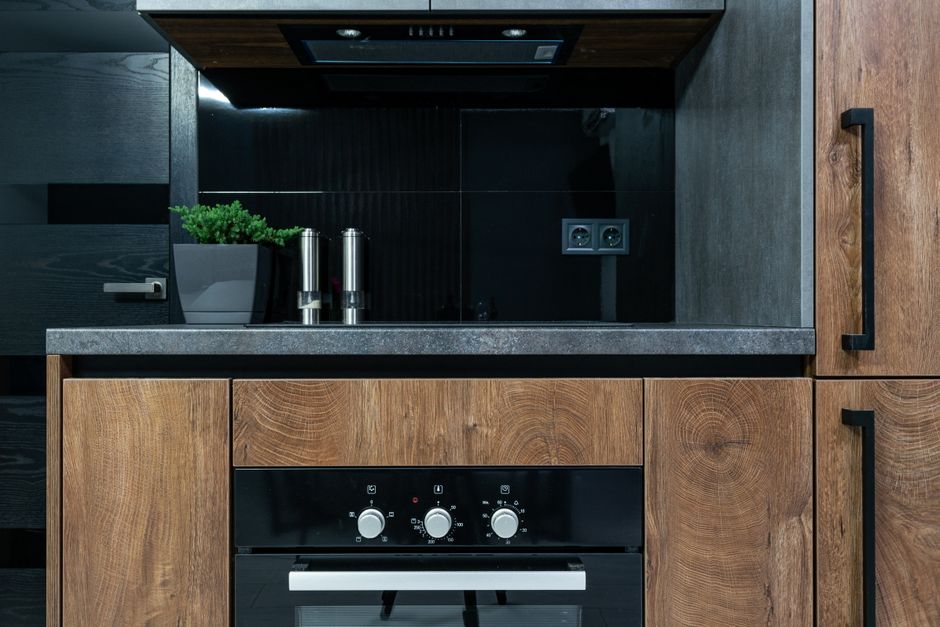
For many, the kitchen serves as the heart of the home, a space defined by creativity and nourishment. However, for the neurodivergent population—including individuals with autism, ADHD, and sensory processing disorders—the traditional kitchen layout can be a site of significant cognitive and physical strain. High-contrast surfaces, the piercing hum of appliances, and cluttered visual fields often transform the act of cooking from a joy into an overwhelming sensory experience. By embracing the principles of the sensory kitchen, designers and homeowners can create an inclusive environment that minimizes cognitive load and promotes independence for every home chef.
Understanding the Neurodivergent Cooking Experience
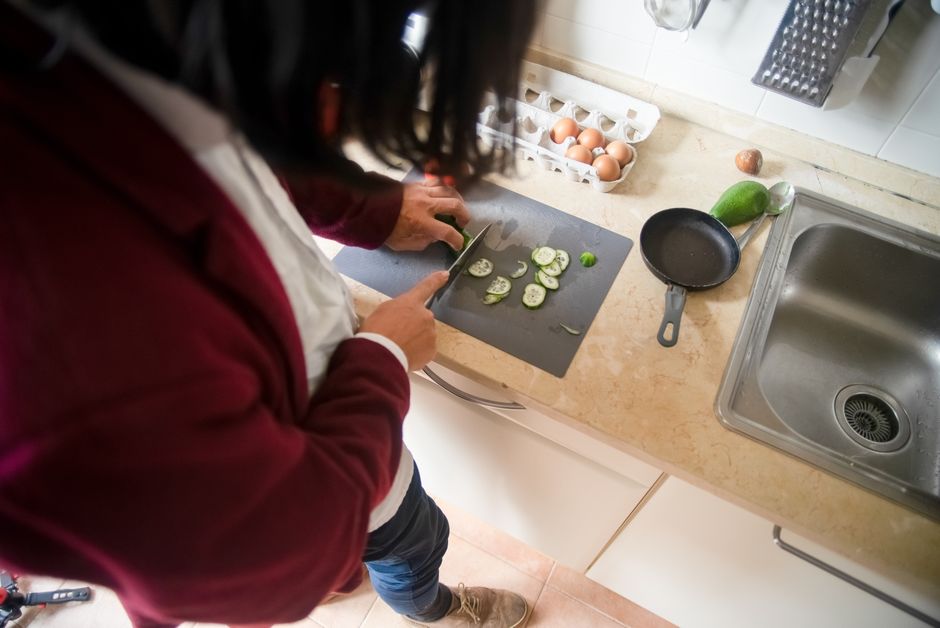
The challenges faced by neurodivergent individuals in the kitchen are multifaceted, often stemming from a combination of sensory sensitivities and executive function differences. Traditional kitchen design typically prioritizes aesthetics and high-gloss finishes, which can inadvertently create environments that trigger sensory overload. For an individual with sensory processing sensitivities, a kitchen is not just a room; it is an ecosystem of potential stressors. Recognizing these triggers is the first step toward building a truly inclusive space.
The Impact of Sensory Overload
Sensory-friendly kitchen design begins with managing the environment’s input levels. Visual clutter, such as open shelving or patterned backsplashes, can lead to overstimulation for individuals with ADHD or autism, making it difficult to focus on specific tasks. Furthermore, acoustic sensitivity is a common barrier. Hard surfaces like granite countertops and tile floors reflect sound, amplifying the clatter of dishes and the buzz of appliances, which can be distressing. By integrating sound-dampening materials—such as cork flooring, fabric window treatments, or soft-close cabinet hinges—designers can significantly mitigate these auditory triggers.
Executive Function and Cognitive Load
Cooking is inherently a multi-step process that requires planning, working memory, and task switching—all core components of executive function. When a kitchen is poorly organized, the cognitive effort required to locate tools or track cooking times increases, often leading to what is commonly referred to as executive dysfunction. A neurodiverse-friendly kitchen addresses this by prioritizing visual cues and logical spatial organization, ensuring that the physical environment acts as an external support system for the brain.
Design Strategies for a Sensory-Friendly Kitchen
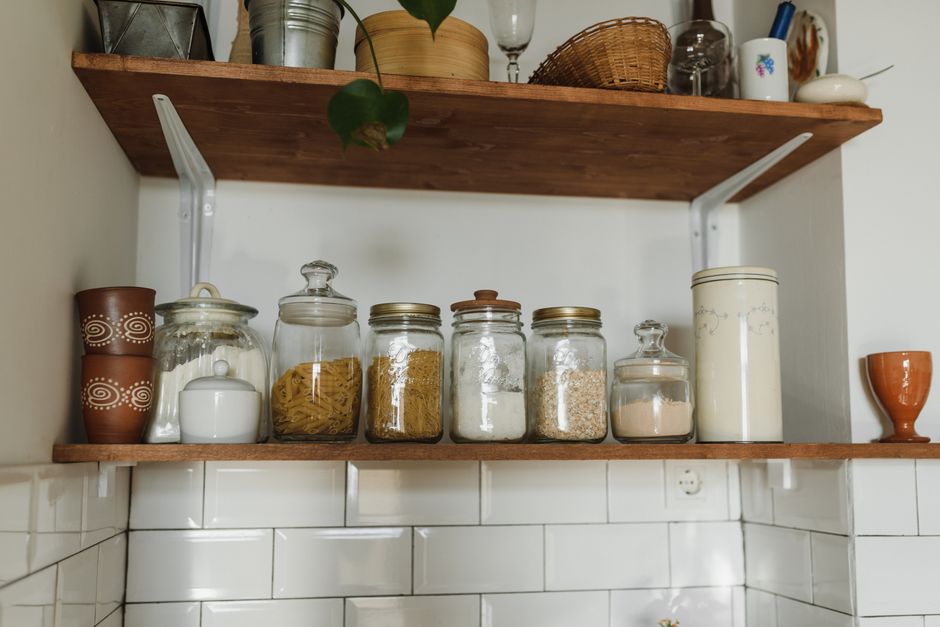
Creating a supportive environment requires a shift from standard design practices toward a more intentional, user-centric approach. This involves prioritizing function and comfort to ensure that the chef can operate with confidence and safety.
Visual Clarity and Zone-Based Organization
One of the most effective strategies for a neurodivergent chef is the implementation of zone-based organization. By grouping items according to their specific function—such as a preparation zone, a cooking zone, and a cleaning zone—the user reduces the need to navigate the entire kitchen for a single task. Visual cues are essential in this setup. Using clear labeling, color-coded storage containers, or even drawer organizers with specific outlines for utensils can reduce the mental energy required to put things away or find them again. Replacing glass-fronted cabinets with solid doors or using matte-finish cabinetry can also reduce the visual noise that often contributes to distraction.
Lighting and Material Selection
Lighting is a critical factor in a sensory-friendly kitchen. Harsh, high-contrast lighting can be physically painful for those with light sensitivities. Designers should prioritize layered, dimmable lighting, such as under-cabinet LEDs that provide task-focused illumination without glare. Similarly, the choice of materials is paramount. Matte finishes on countertops and backsplashes prevent the light reflections that can cause visual fatigue. Choosing materials that are both durable and tactilely pleasing—such as wood or honed stone—can create a more grounding, comfortable experience for the chef.
Safety and Ergonomics for Independence
For many neurodivergent individuals, safety features are not just conveniences; they are essential for autonomy. Induction cooktops are a superior choice for a sensory-friendly kitchen because they remain cool to the touch, significantly reducing the risk of accidental burns. Furthermore, automating certain functions or using appliances with clear, tactile buttons rather than complex, flat touchscreens can make the cooking process more intuitive. Ergonomic considerations, such as adjustable-height counters or pull-out shelves, ensure that the physical layout does not become a barrier to participation.
Technical Considerations for Inclusive Design
When renovating or designing a space for a neurodivergent chef, it is helpful to look at the specific features that differentiate a standard kitchen from one that supports sensory regulation.
| Design Element | Standard Kitchen Approach | Sensory-Friendly Approach |
|---|---|---|
| Countertops | High-gloss, reflective stone | Matte-finish, non-reflective surfaces |
| Cabinetry | Open shelving, glass doors | Solid doors, labeled, color-coded |
| Lighting | Overhead, high-intensity lights | Dimmable, layered, warm-toned LEDs |
| Acoustics | Hard tiles, echoing surfaces | Sound-dampening rugs, cork, soft-close |
| Appliances | Complex digital touchscreens | Tactile buttons, clear visual indicators |
Frequently Asked Questions
How can I make my existing kitchen more sensory-friendly without a full renovation?
You can start by reducing visual clutter with opaque storage bins and drawer dividers. Installing dimmable light bulbs or adding a simple under-cabinet light strip can make a massive difference in managing light sensitivity. Additionally, placing a rubber mat on the floor can dampen sound and provide a more comfortable, cushioned surface for standing.
Why are matte finishes preferred over high-gloss in a neurodiverse kitchen?
High-gloss surfaces create reflections and glare, which can be visually overwhelming and distracting for individuals with sensory processing differences. Matte finishes absorb light rather than reflecting it, creating a calmer, more predictable visual environment that reduces cognitive load.
How do color-coded systems help with executive function?
Color-coding provides an immediate, non-verbal cue that helps the brain categorize and retrieve information faster. For someone struggling with the multi-step nature of cooking, knowing that all spices are in blue-labeled jars or that prep tools are kept in a specific green zone removes the need for constant decision-making and searching.
Are there specific appliances that are better for neurodivergent chefs?
Appliances with tactile feedback—such as physical dials or buttons that click—are generally preferred over modern, flat touchscreens, as they provide sensory confirmation that a command has been registered. Induction cooktops are also highly recommended for their built-in safety features and ease of cleaning, which reduces the stress associated with maintenance.
Conclusion
Designing a sensory-friendly kitchen is not merely about aesthetic preference; it is about creating an environment that honors the diverse ways in which individuals interact with their surroundings. By addressing the nuances of sensory input, executive function, and physical accessibility, we can transform the kitchen into a space that fosters independence, creativity, and joy. Whether through minor adjustments or comprehensive design strategies, the goal is to create a neurodiverse-friendly kitchen that serves as a sanctuary rather than a source of stress. As we continue to prioritize inclusivity in architecture and interior design, the sensory kitchen stands as a vital model for how our homes can support the unique needs of every inhabitant.