
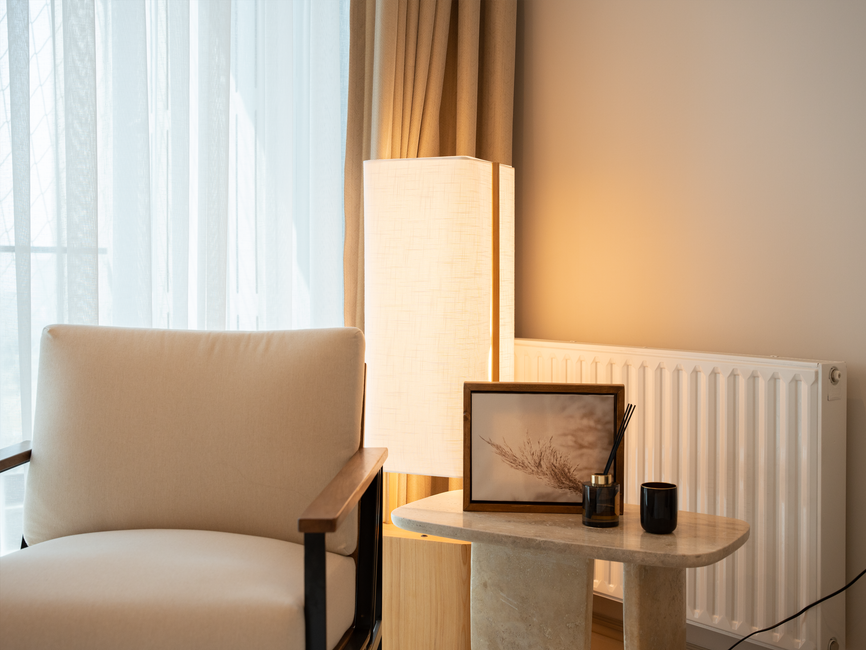
For decades, interior design focused primarily on the visual aesthetics of a space—how light interacts with textures, colors, and architectural features. However, a significant evolution is underway. Designers are now shifting their focus toward the biological impact of illumination, recognizing that light is not just a tool for sight, but a powerful regulator of human health. Biodynamic lighting represents this frontier, offering a sophisticated approach to interior design that synchronizes your home’s lux levels and spectral output with your natural sleep-wake cycle. By mimicking the shifting qualities of the sun throughout the day, we can create environments that support, rather than disrupt, our innate circadian rhythms.
The Science of Circadian Health and Interior Design
At the core of biodynamic lighting is the concept of human-centric design. Our bodies possess an internal biological clock—the circadian rhythm—which governs everything from hormone production to cognitive alertness. This clock is primarily synchronized by light. When light hits the retina, it triggers a response in the brain that suppresses melatonin, the hormone responsible for sleep, and encourages the release of cortisol, which keeps us alert and active.
Traditional static lighting systems, which remain at a constant brightness and color temperature regardless of the time of day, often interfere with this delicate balance. In contrast, biodynamic lighting modulates two primary variables: intensity, measured in lux, and color temperature, measured in Kelvin. By aligning these variables with the natural solar cycle, designers can foster a home environment that promotes productivity during the morning hours and facilitates restorative sleep in the evening.
Key Principles for Implementing Biodynamic Lighting
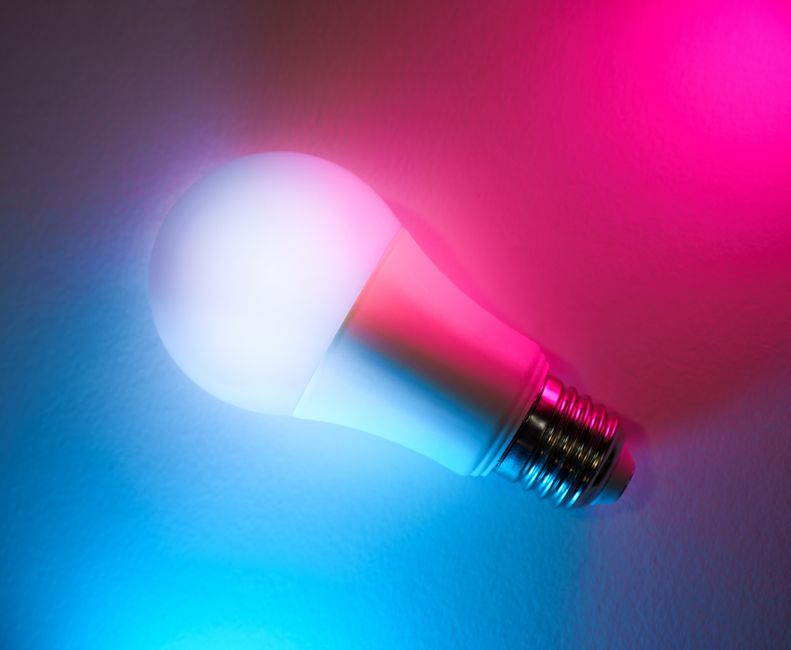
Successfully integrating circadian-aware systems into a residential space requires a departure from traditional lighting layouts. It is not enough to simply swap out bulbs; designers must consider how light enters the human eye and how it transitions throughout the day.
Prioritizing Vertical Illumination
One of the most common mistakes in modern residential lighting is an over-reliance on recessed downlights. While effective for task lighting, downlights often fail to activate the brain’s circadian sensors. The human eye contains specialized photoreceptors known as intrinsically photosensitive retinal ganglion cells, or ipRGCs. These cells are significantly more sensitive to light entering the eye from the upper visual field—essentially, the light that comes from the sky. To effectively signal the brain, lighting designers should focus on vertical illumination. By washing walls and ceilings with light, we mimic the diffuse, ambient quality of the sky, ensuring that circadian signals are effectively received by the body.
The Role of Spectral Tuning
Spectral tuning is the ability of an LED system to shift its color temperature. For a truly effective biodynamic home, lighting should be programmed to follow a specific arc:
- Morning (5000K to 6500K): During the early hours, cool, high-intensity light is essential. This spectrum mimics the blue-rich light of a clear morning sky, signaling the body to suppress melatonin and increase alertness.
- Afternoon (4000K): As the day progresses, the light can transition toward a more neutral white, maintaining focus without the harshness of peak morning stimulation.
- Evening (Below 3000K): As the sun sets, the interior environment should shift to a warm, amber glow. This low-Kelvin light prevents the suppression of melatonin, allowing the body to naturally prepare for sleep.
The Necessity of Automated Control
Consistency is the greatest challenge in biological lighting. Humans are poor at manually adjusting their environment to match the sun, and a system that requires constant user input will eventually be ignored. Automation is the backbone of successful biodynamic design. Smart home systems can now be programmed to follow a geolocated solar schedule, gradually shifting light levels and color temperatures in the background. This ensures that the transition between states is seamless and imperceptible, preventing the jarring shifts in brightness that can disrupt the parasympathetic nervous system.
Comparative Analysis: Static vs. Biodynamic Lighting
| Feature | Static Lighting | Biodynamic Lighting |
|---|---|---|
| Color Temperature | Fixed (e.g., 3000K) | Dynamic (2700K–6500K) |
| Impact on Rhythm | Neutral or Disruptive | Supportive and Synchronized |
| Primary Objective | Visibility | Visibility and Biological Health |
| Control Mechanism | Manual On/Off | Automated/Sensor-based |
Integrating Wellness into the Home Office and Bedroom
The application of biodynamic principles should be tailored to the specific function of each room. The home office, for instance, should be treated as a productivity hub. During working hours, the lighting should be bright and cool, mimicking the high-energy light of midday. However, the transition from work to relaxation must be handled with care. A sudden shift from bright, cool light to dim, warm light can be disorienting. Instead, designers should implement a “dim-to-warm” transition, where the light temperature gradually lowers over the course of an hour as the workday concludes.
In the bedroom, the goal is the exact opposite. Lighting should be designed to support the transition to sleep. This includes eliminating high-intensity blue light sources entirely after sunset. Bedside lamps should utilize low-Kelvin, warm-toned LEDs that provide enough light for reading without triggering the brain’s wakefulness centers. By controlling the spectral distribution of light in these private zones, residents can significantly improve their sleep quality and overall recovery.
Frequently Asked Questions
Does biodynamic lighting require special hardware?
Yes. While standard bulbs can be dimmed, they cannot change their spectral distribution. To achieve a true biodynamic effect, you need “tunable white” LED fixtures or smart bulbs that contain both warm and cool LED diodes, which can be mixed to produce a wide range of Kelvin temperatures.
Can I achieve these benefits with natural light alone?
Natural light is the gold standard for circadian health. However, in many residential settings, architectural limitations, northern exposures, or small window placements make relying solely on daylight impossible. Biodynamic lighting acts as a necessary supplement to natural light, ensuring that your biological rhythm stays on track even when you are indoors or during the darker winter months.
Is the cost of installing an automated lighting system justified?
While the initial investment in smart controllers and tunable LEDs is higher than traditional lighting, the long-term benefits to sleep quality, productivity, and hormonal health are profound. For those looking to optimize their home for wellness, the return on investment is measured in improved daily energy levels and long-term metabolic health.
Conclusion: The Future of Residential Design
As our understanding of the link between light and human health deepens, biodynamic lighting will cease to be a luxury feature and will instead become a standard expectation in high-quality interior design. By acknowledging that our homes must serve our biological needs as much as our aesthetic preferences, we can transform living spaces into environments that actively contribute to our well-being. Whether through the installation of smart, tunable LED systems or the intentional design of vertical light surfaces, aligning your home with your natural sleep-wake cycle is one of the most effective ways to enhance your quality of life. Embracing this shift toward circadian-aware design allows us to harmonize the built environment with the ancient rhythms of the sun, creating homes that truly nourish those who live within them.