

The aging process in our canine companions is a complex biological journey, one that extends far beyond the graying muzzle or the slowing pace on morning walks. As senior dogs navigate their golden years, their internal physiology undergoes profound changes, particularly within the gastrointestinal tract. Recent advancements in veterinary science have turned the spotlight toward the canine microbiome—the vast, intricate ecosystem of bacteria, fungi, and viruses residing in the gut. By mapping the canine microbiome, veterinarians and pet nutritionists are moving away from the “one-size-fits-all” approach to senior dog diets, ushering in an era of hyper-personalized nutrition designed to improve longevity and quality of life.
Understanding the Senior Canine Microbiome
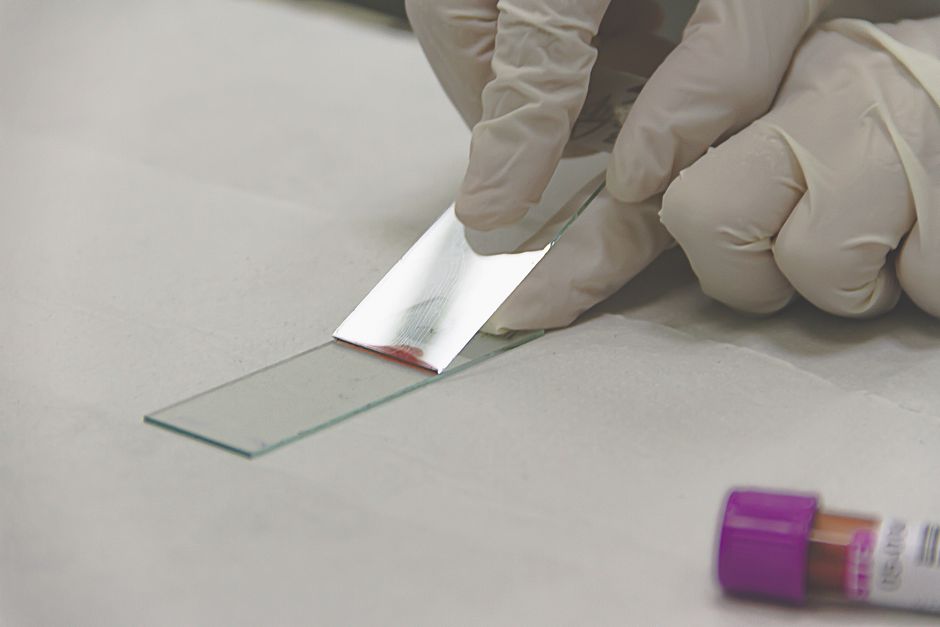
The gut is often referred to as the second brain, and for good reason. It plays a pivotal role in nutrient absorption, immune system regulation, and even neurological function. However, as dogs age, the composition of their gut flora begins to experience significant shifts. This phenomenon is often associated with a decline in microbial diversity, a state that researchers frequently link to systemic inflammation, commonly referred to as “inflammaging.”
The Impact of Aging on Microbial Diversity
In a healthy, youthful dog, the gut microbiome maintains a delicate equilibrium. As the animal enters its senior years, this balance can be disrupted by a decrease in beneficial bacteria and a rise in opportunistic pathogens. These shifts in the canine microbiome are not merely a byproduct of aging; they are active drivers of age-related health decline. When the microbial landscape loses its diversity, the dog’s ability to process nutrients efficiently diminishes, and the gut barrier can become compromised, leading to chronic low-grade inflammation that affects the entire body.
Mapping the Canine Microbiome: A New Diagnostic Frontier
Mapping the canine microbiome has become the gold standard for understanding these internal changes. Through metagenomic sequencing of fecal samples, practitioners can now gain a high-resolution snapshot of a dog’s specific microbial profile. This diagnostic process identifies the precise composition of the gut community, allowing experts to pinpoint areas of dysbiosis—an imbalance in the microbial environment. Unlike standard blood work or physical exams, microbiome mapping provides a functional look at how the gut is influencing the dog’s overall health, from metabolic rate to immune responsiveness.
Hyper-Personalized Nutrition: Beyond Standard Kibble
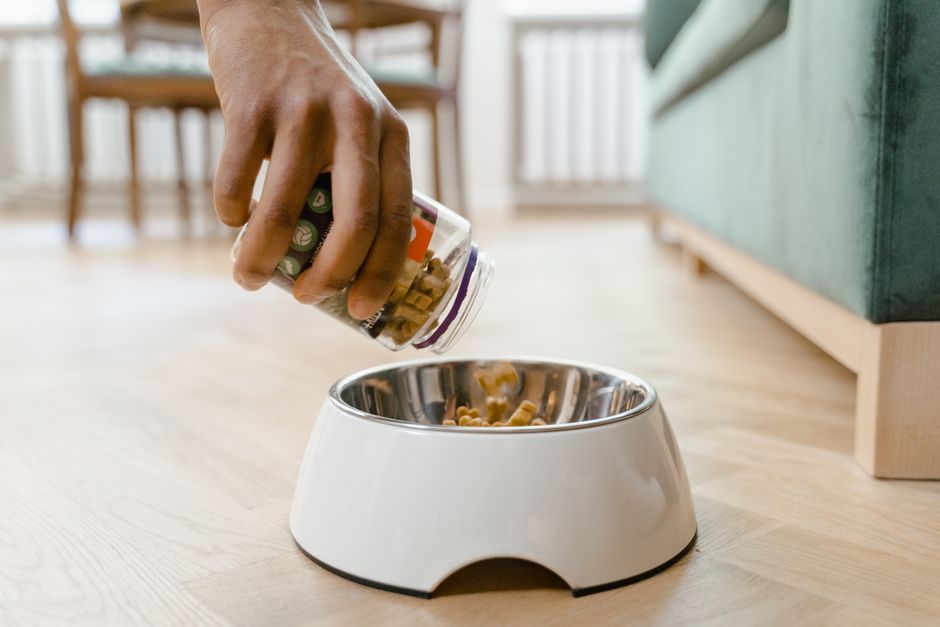
Once a dog’s gut health has been mapped, the strategy for intervention shifts from general maintenance to hyper-personalized nutrition. This approach recognizes that every senior dog is unique, and their dietary requirements are dictated by the specific needs of their internal ecosystem.
Targeted Dietary Interventions
Hyper-personalized nutrition utilizes the data derived from microbiome mapping to select specific prebiotics and probiotics. These are not merely generic supplements; they are chosen to address the specific bacterial gaps identified in the sequencing report. For instance, if the mapping reveals a deficiency in bacteria responsible for producing short-chain fatty acids, the nutritionist may prescribe specific fiber sources that act as fuel for those exact microbial populations.
Supporting Cognitive and Immune Function
The benefits of modulating the microbiome in senior dogs extend well beyond the digestive system. Emerging research indicates a strong gut-brain axis, meaning that a healthy gut can contribute to better cognitive function in aging dogs. By fostering a diverse and balanced microbiome, owners can support their dog’s neurological health, potentially mitigating some of the signs of cognitive dysfunction. Furthermore, because a significant portion of the immune system resides in the gut, correcting dysbiosis through personalized nutrition acts as a powerful immune booster, helping seniors fight off infections and manage chronic conditions more effectively.
Managing Gastrointestinal Health Across Species
While the focus here is on the senior canine, it is worth noting that the principles of microbiome health are universal. Pet owners often ask, how to treat gastrointestinal problems in cats, and the answer increasingly mirrors the approach used for dogs. Whether dealing with a feline or a canine, the use of targeted cat gut health supplements or canine-specific probiotics relies on the same fundamental science: restoring balance to the microbial community.
| Feature | Standard Nutrition | Hyper-Personalized Nutrition |
|---|---|---|
| Diagnostic Basis | General life-stage guidelines | Metagenomic microbiome mapping |
| Dietary Selection | Broad-spectrum commercial diets | Customized prebiotics and probiotics |
| Goal | Maintenance of baseline health | Optimization of gut-brain-immune axis |
| Adjustment Frequency | Rarely changed | Adjusted based on follow-up mapping |
Frequently Asked Questions
What are the primary signs of dysbiosis in senior dogs?
Dysbiosis, or microbial imbalance, can manifest in various ways. Common signs include chronic intermittent diarrhea, excessive flatulence, unexplained weight loss, changes in coat quality, and lethargy. In senior dogs, these symptoms are often dismissed as “just getting old,” but they frequently indicate that the gut microbiome requires support.
How often should I map my dog’s microbiome?
For senior dogs, a baseline map is recommended to understand their current microbial state. Follow-up mapping is typically advised every six to twelve months, or whenever there is a significant change in the dog’s diet, environment, or health status, to ensure the personalized nutritional plan remains effective.
Are there generic supplements that work as well as personalized ones?
While high-quality, general probiotics can offer some benefits, they are often a “shot in the dark.” Without mapping the canine microbiome, it is impossible to know if the supplement contains the specific strains your dog lacks. Personalized nutrition ensures that you are providing exactly what the gut ecosystem needs to thrive, reducing the risk of adding unnecessary or ineffective supplements.
Conclusion
The shift toward hyper-personalized nutrition represents a significant evolution in veterinary care. By embracing the science of the microbiome, we can offer our senior dogs a more nuanced and effective path to health. Mapping the internal microbial landscape allows us to move beyond treating symptoms and instead address the root cause of age-related decline. As we continue to learn more about the composition and shifts within the canine microbiome, the potential to enhance the longevity and vitality of our aging companions grows exponentially. Investing in the health of your dog’s gut is, in essence, an investment in their overall well-being, ensuring that their final chapters are as vibrant and comfortable as their first.