
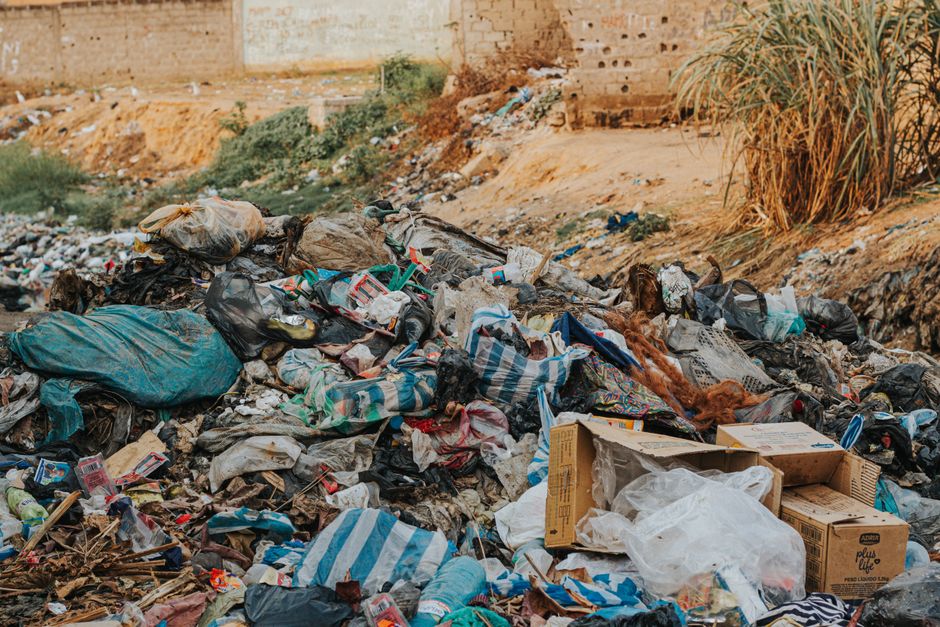
The global apparel industry is currently undergoing a structural transformation, shifting from a model defined by disposable trends to one rooted in digital collaboration and individual agency. At the heart of this change is the rise of the open-source wardrobe, a movement that leverages digital pattern-sharing communities to challenge the hegemony of mass-market retail. By democratizing the design process and empowering consumers to become creators, this movement offers a tangible alternative to the systemic waste that defines the modern era. To understand why this shift is gaining momentum, one must first examine the causes of fast fashion and the systemic vulnerabilities that have rendered the traditional supply chain increasingly untenable.
The Structural Failures of the Fast Fashion Model
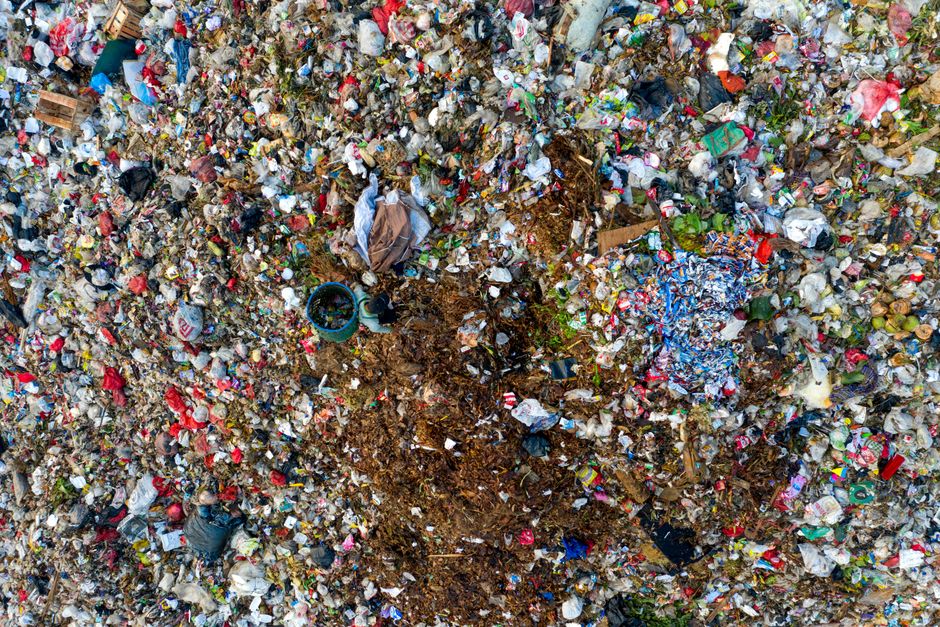
To address the urgency of the current crisis, one must look at the academic and industry-led discourse surrounding the industry. Whether one is consulting a research paper on fast fashion PDF or reviewing scholarly articles about fast fashion, the consensus remains clear: the model relies on the rapid production of low-cost, trend-driven garments designed for obsolescence. This cycle, often analyzed in every comprehensive book on fast fashion, is predicated on the exploitation of cheap labor and the depletion of natural resources, creating an environmental footprint that is no longer sustainable.
The primary causes of fast fashion are rooted in the pursuit of volume over value. By leveraging economies of scale, retailers produce vast quantities of clothing that are marketed to consumers as ephemeral commodities. This creates a psychological disconnect where the garment loses its intrinsic value, leading to the massive accumulation of textile waste in landfills. When comparing fast fashion vs sustainable fashion, the fundamental difference lies in the supply chain; while the former is linear and extractive, the latter emphasizes circularity, longevity, and the ethical treatment of both humans and the environment.
The Emergence of Open-Source Fashion
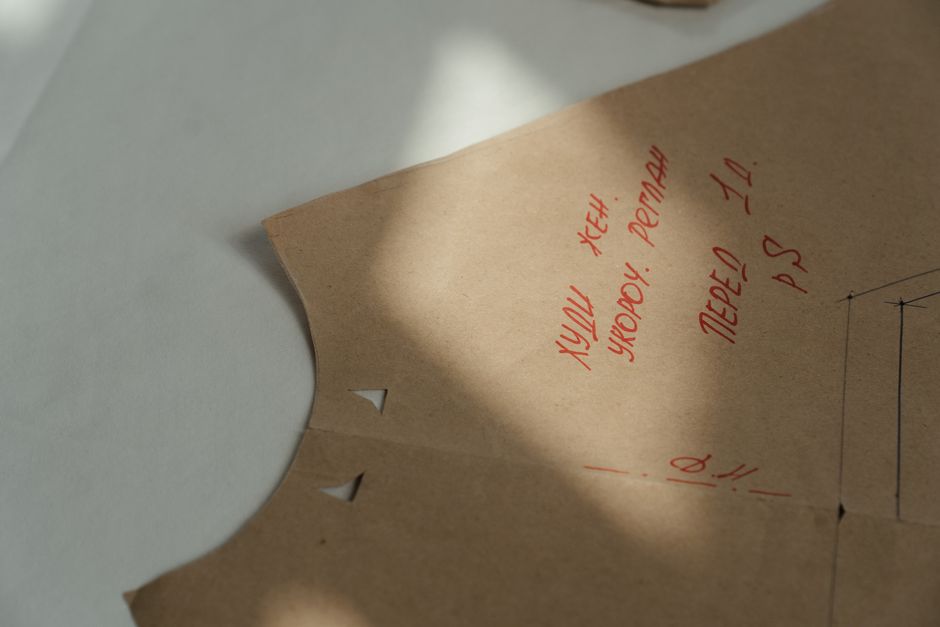
Open source fashion represents a radical departure from the proprietary, top-down design model. By utilizing Creative Commons licensing, designers and hobbyists share patterns, construction techniques, and customization guides on digital platforms. This collaborative environment fosters a culture of repairability and skill-sharing, which is essential for slowing the fast fashion industry: an all-round perspective. Instead of buying a mass-produced item that may not fit correctly, consumers can download a pattern, adjust it to their unique body measurements, and construct a piece that is designed to last for years rather than weeks.
Digital Pattern-Sharing Communities
Platforms such as Sewist, Mood Fabrics, and BurdaStyle have become the infrastructure for this new open source movement. These digital communities allow for the distribution of sewing patterns that bypass traditional retail supply chains entirely. By enabling users to customize garments, these platforms solve one of the most persistent issues in mass-market retail: the failure of standardized sizing. When a garment is custom-fitted, the likelihood of it being discarded due to poor fit decreases significantly, thereby addressing a major contributor to textile waste.
The Collaborative Design Ethos
The open-source approach shifts the role of the individual from a passive consumer to an active participant in the fashion ecosystem. This collaborative design environment encourages users to modify and redistribute patterns, creating a cycle of continuous improvement. This is not merely a hobbyist trend; it is a systemic challenge to the proprietary nature of fashion houses. By treating design as a shared resource, the community creates a resilient network of makers who prioritize quality and craftsmanship over the rapid turnover of seasonal collections.
Comparative Analysis: Traditional Retail vs. Open-Source Wardrobes
| Feature | Fast Fashion Retail | Open-Source Wardrobe |
|---|---|---|
| Design Ownership | Proprietary/Closed | Creative Commons/Open |
| Supply Chain | Linear/Globalized/Opaque | Localized/Direct/Transparent |
| Garment Sizing | Standardized/Mass-produced | Custom/Individualized |
| Value Proposition | Low Cost/Disposable | Longevity/Skill-building |
| Environmental Impact | High Waste/High Carbon | Low Waste/Circular |
The Role of Technology in Sustainable Craft
The integration of technology into the home sewing movement has been transformative. Digital crafting studies demonstrate that the ability to download, scale, and print patterns at home has lowered the barrier to entry for many who previously relied on retail. Furthermore, the use of open-source software for pattern drafting allows for a level of precision that was once reserved for professional ateliers. This technological democratization is a critical component of slowing the fast fashion industry: an all-round perspective, as it provides the tools necessary to maintain a wardrobe that is both stylish and environmentally responsible.
FAQ: Understanding the Open-Source Wardrobe
What is open-source fashion?
Open-source fashion refers to a design movement where garment patterns and construction techniques are shared freely under open licenses. This allows anyone to access, modify, and create their own clothing, effectively removing the reliance on proprietary retail brands.
How does open-source fashion help the environment?
It reduces the environmental impact by promoting the “slow fashion” ethos. Because garments are made to measure, there is less textile waste from poor fits, and because makers invest time in construction, they are more likely to repair and maintain their clothing, extending the lifecycle of the garments.
Is it difficult to start an open-source wardrobe?
While it requires an initial investment in tools and learning, digital platforms have made it easier than ever to start. Many communities offer tutorials, forums, and beginner-friendly patterns that guide users through the process of building a sustainable wardrobe one piece at a time.
Can open-source fashion really replace fast fashion?
While it may not replace the entire industry overnight, it provides a necessary counter-narrative. As more consumers adopt these practices, the market demand for disposable, low-quality garments may decrease, forcing a shift in how traditional retailers approach production and sustainability.
Conclusion
The transition toward an open-source wardrobe is more than a shift in consumer habits; it is a fundamental reclamation of the relationship between the individual and their clothing. By examining the causes of fast fashion and embracing the collaborative spirit of digital pattern-sharing, society can begin to dismantle the unsustainable cycles that have dominated the industry for decades. Whether through the lens of a book on fast fashion or through the practical application of open source sewing, the path forward is clear: sustainability requires a move away from mass-produced uniformity and toward a personalized, circular, and transparent model of design. As the movement grows, it promises to restore the value of craft and the longevity of our garments, marking the beginning of the end for the disposable trend cycle.