

Ever wondered why your skin looks tired even after a full night’s sleep? The answer lies in your skin’s hidden timekeeper—and it is more fascinating than you think. Picture this: It is 3 AM, and while you are deep in REM sleep, your skin cells are throwing their own party. They are dividing, repairing damage, and essentially hitting the reset button on your complexion. But here is the plot twist: if you are not supporting this natural process with the right skincare, you are missing out on your skin’s most productive hours. Welcome to the revolutionary world of circadian rhythm skincare, where we explore how aligning your beauty routine with your biology can unlock the secret to a more resilient, glowing complexion.
Your Skin’s Secret Schedule: Understanding the Circadian Clock
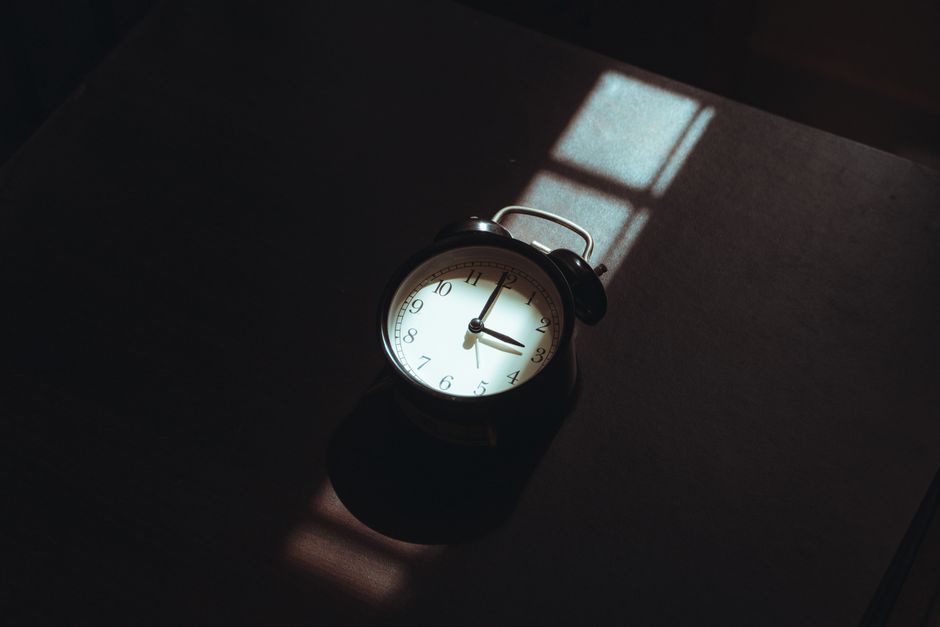
Just like your body has a master clock that regulates sleep, hunger, and energy levels, your skin operates on its own sophisticated timeline. This is not just beauty marketing fluff; it is backed by serious science. The skin circadian rhythm refers to the 24-hour biological cycle that regulates critical functions including cell proliferation, DNA repair, collagen synthesis, and barrier function. As our understanding of chronobiology continues to expand, it has become clear that the skin does not operate in a timeless vacuum.
Dr. Andersen Pelle, a leading dermatologist, explains that the skin’s circadian rhythm affects everything from sebum production to transepidermal water loss. By aligning our skincare routine with these natural cycles, we can dramatically improve treatment efficacy. During the day, the skin is in a defensive mode, prioritizing protection against UV radiation, pollution, and oxidation. At night, the skin shifts into a repair phase, focusing on cellular recovery and DNA restoration.
The Morning Routine: The Protection Phase
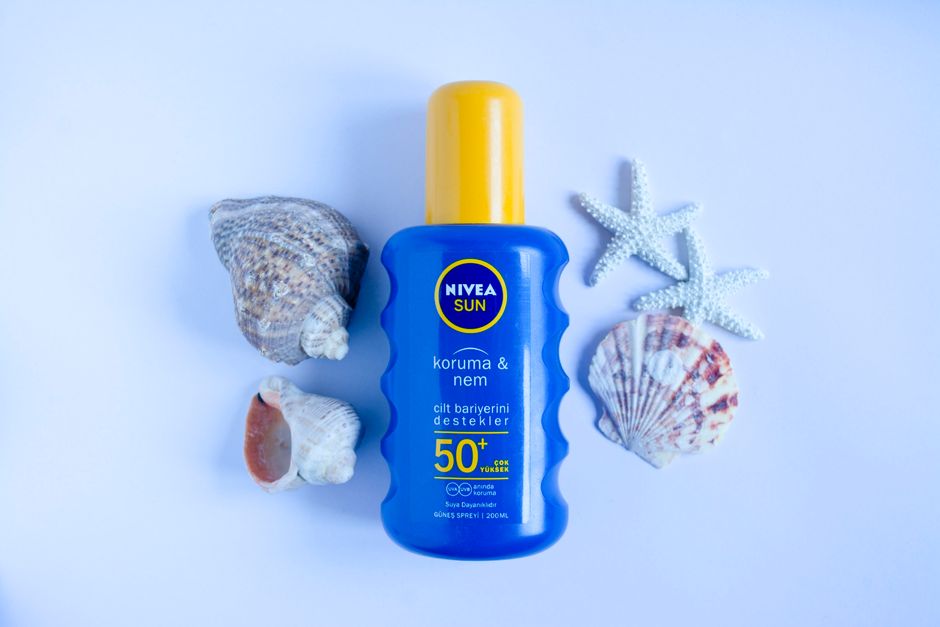
Your morning routine should focus on preparing your skin for daily environmental challenges. Your skin’s natural protective functions are ramping up during these hours, making this the perfect time to supplement with protective ingredients that work synergistically with your skin’s defenses. When you apply products in the morning, you are essentially providing your skin with the tools it needs to withstand the stressors of the outside world.
Key Morning Ingredients
- Vitamin C: A potent antioxidant that neutralizes free radicals generated by UV exposure and pollution.
- Ferulic Acid: Often paired with Vitamin C, it stabilizes the formula and boosts its photoprotective properties.
- Broad-Spectrum SPF: The ultimate barrier defense against premature aging and DNA damage.
- Niacinamide: Helps to strengthen the skin barrier and regulate oil production throughout the day.
The Evening Routine: The Renewal Phase
Evening routines should capitalize on your skin’s natural repair cycle. This is when cell turnover accelerates and your skin becomes more receptive to regenerative ingredients. Research suggests that the skin’s permeability is higher at night, allowing active ingredients to penetrate more effectively. By focusing on repair during these hours, you are working in harmony with your body’s internal clock to undo the damage accumulated during the day.
The Renewal Setup
- Retinoids: These gold-standard ingredients accelerate cell turnover, which is naturally at its peak during the night.
- Peptides: These building blocks support collagen synthesis, helping to firm and plump the skin while you sleep.
- Ceramides: Essential for restoring the lipid barrier, which can become depleted after a long day of environmental exposure.
- Growth Factors: These signal the skin to initiate healing and rejuvenation processes.
Chronocosmetics: The Cutting-Edge Science
The skincare industry has begun embracing circadian science with specially formulated products designed to work in harmony with your skin’s biological rhythms—a field now known as chronocosmetics. These advanced formulations typically feature time-released encapsulation technology, which ensures that active ingredients are delivered to the skin precisely when it is most receptive. By utilizing this technology, brands are moving beyond simple ingredient lists to create “smart” products that respect the 24-hour cycle.
A groundbreaking 2024 study found that circadian rhythm skincare products improved skin repair markers by 47% compared to conventional formulations. This significant increase highlights the potential of timing-based delivery systems. When ingredients are delivered as the skin “calls for them,” the need for heavy, multi-step routines decreases, while the efficacy of each product increases.
Lifestyle Strategies for Circadian Skin Health
Skincare products alone cannot compensate for lifestyle habits that disrupt your circadian rhythm. If your internal clock is off, your skin’s repair mechanisms will be sluggish regardless of what you apply topically. To support your skin’s biological clock, consider these lifestyle adjustments:
- Maintain a Consistent Sleep Schedule: Going to bed and waking up at the same time every day helps stabilize your body’s master clock.
- Manage Blue Light Exposure: Excessive screen time before bed can suppress melatonin, which is not only essential for sleep but also plays a role in skin health.
- Optimize Your Environment: A dark, cool bedroom promotes deeper sleep, which is when the most intensive skin repair occurs.
- Consistent Eating Windows: Since metabolism is tied to circadian rhythms, eating meals at regular times can help keep your body’s internal systems, including your skin, in balance.
The Future of Chronobiology in Skincare
Researchers are currently exploring fascinating new frontiers in circadian beauty. We are moving toward a future where we may see personalized circadian profiles that dictate exactly which ingredients a person needs based on their unique biological clock. Furthermore, there is ongoing research into how light therapy—using specific wavelengths of light—can be used to “reset” or support the skin’s circadian rhythm, potentially reversing the damage caused by chronic sleep deprivation or shift work.
Frequently Asked Questions
How does the circadian rhythm affect the skin?
The circadian rhythm acts as an internal timer for your skin cells. During the day, it triggers protective mechanisms to guard against UV rays and pollution. At night, it shifts focus to DNA repair, collagen production, and cell regeneration. When this rhythm is disrupted, these processes are delayed or diminished, leading to dullness, inflammation, and premature aging.
Is Circadia skincare medical grade?
While the term “medical grade” is often used in marketing, it is not an official regulatory designation. However, brands that focus on circadian rhythm skincare often invest heavily in clinical research and high-quality, stable ingredients to ensure the efficacy of their products. Always look for brands that provide third-party clinical study data to back their claims.
Are chronotypes real or pseudoscience?
Chronotypes are very real and are a well-documented aspect of human biology. They refer to your body’s natural inclination to sleep at certain times (e.g., “night owls” vs. “early birds”). Your chronotype can influence your skin’s peak repair times, which is why some people may find that their skin responds better to treatments at different times of the day than others.
What is circadian skincare?
Circadian skincare is an approach to beauty that uses products formulated to support the skin’s natural 24-hour cycle. It involves using protective, antioxidant-rich products in the morning and regenerative, repair-focused products at night, often utilizing time-release technology to maximize absorption and efficacy.
Conclusion
Your skin does not operate in a timeless vacuum; it follows sophisticated biological rhythms that influence everything from cell renewal to barrier function and sebum production. By aligning your skincare routine with these natural cycles, you can potentially enhance your skin’s resilience, appearance, and overall health. The most effective approach respects and works in harmony with your body’s innate wisdom. After all, perfect timing may be the beauty secret we have overlooked for far too long. What adjustments have you made to your routine after learning about these rhythms? Have you noticed differences when you maintain a consistent sleep schedule? I would love to hear your experiences in the comments below!