

The fashion industry stands at a critical juncture where consumer demand for sustainability is colliding with the inherent opacity of globalized manufacturing. For decades, the journey of a garment—from raw fiber to the retail floor—has been obscured by complex, multi-tiered subcontracting networks. Today, however, the “ethical wardrobe” is no longer just an aspirational concept; it is an operational requirement. Central to this evolution is blockchain technology, which is fundamentally rewriting the rules of transparency by providing an immutable, verifiable ledger for every stitch, dye, and transport leg in a product’s lifecycle.
The Mechanics of Trust: Blockchain in the Fashion Ecosystem

At its core, what is blockchain in supply chain management? It is a decentralized, digital ledger that records transactions across a network of computers. Unlike traditional databases, which are often siloed and susceptible to manipulation, a blockchain creates a permanent record that cannot be altered or deleted once a transaction is verified. In the context of fashion, this means that every stakeholder—from the cotton farmer and the spinning mill to the garment factory and the retailer—contributes to a shared, chronological history of a product.
Blockchain Traceability as a Standard
Blockchain traceability allows brands to move beyond self-reported sustainability claims. By integrating technologies like tex.tracer, developed in collaboration with Fujitsu, brands can now move toward a fully audited supply chain. When a garment is registered, the system sends automated requests down the supply chain for verification. Data is validated through a combination of mobile geolocation, time stamps, and digital handshakes. If a supplier attempts to input data that contradicts the established timeline or location of a previous stage, the system identifies the anomaly, preventing fraudulent claims from entering the ledger.
Real-World Application: The tex.tracer Model
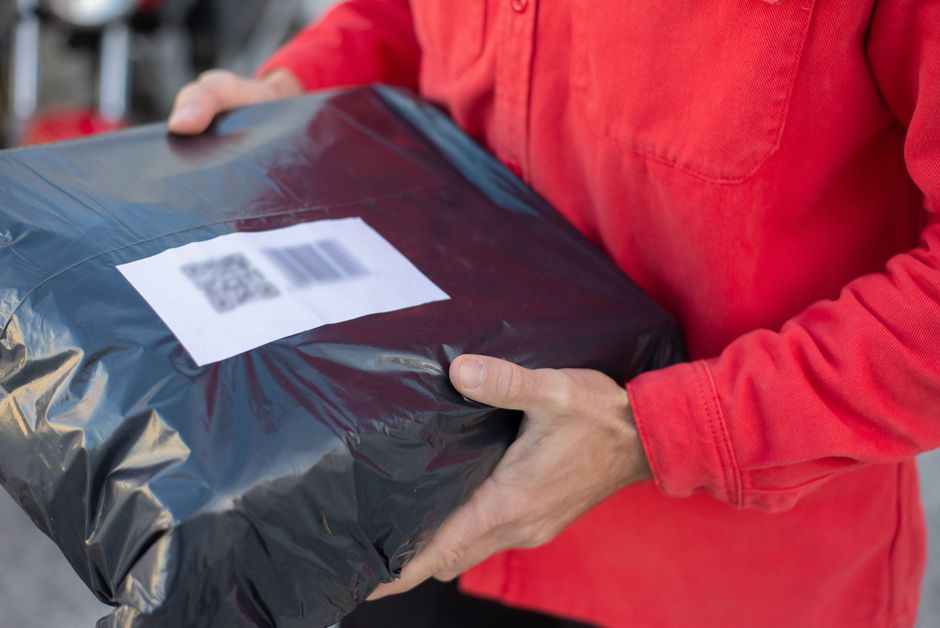
A practical blockchain in supply chain example can be found in the current deployment of platforms that bridge the gap between production floors and consumer mobile devices. The implementation of tex.tracer illustrates how this works in practice. Brand owners upload product data, which triggers automated emails to downstream partners. These partners then upload their own supporting documentation, photos, and certifications. This peer-to-peer verification process ensures that each link in the chain is accountable to the next.
The outcomes of such systems are significant. For brand owners, it provides a robust defense against greenwashing accusations and prepares them for tightening global regulations regarding corporate social responsibility (CSR) and environmental compliance. For the consumer, the experience is simplified: a quick scan of a QR code on a garment’s label reveals a verified map of its journey, transforming an abstract purchase into an informed ethical decision.
Preparing for Compliance and CSR
The regulatory landscape is shifting rapidly. Governments worldwide are increasingly mandating that fashion brands take responsibility for the entirety of their supply chains. Traditional auditing methods, which often rely on periodic, scheduled site visits and paper-based certifications, are proving insufficient. Blockchain provides a continuous, real-time audit trail. By maintaining a digital passport for each item, companies can report to stakeholders and regulatory bodies with the click of a button, providing evidence of fair labor practices and environmental standards that were previously impossible to quantify at scale.
It is worth noting that the professional landscape is evolving to support these changes. Professionals looking to specialize in this intersection often monitor Deloitte blockchain jobs and similar roles at major consulting firms, as these organizations are at the forefront of implementing enterprise-grade distributed ledger technology for large-scale fashion retailers. The demand for experts who understand both supply chain logistics and cryptographic verification is higher than ever.
The Technical Foundation of Transparency
To understand the depth of this shift, one must look at the technical architecture. Blockchain acts as a “source of truth.” When data is entered, it is cryptographically secured. This is why many researchers and industry professionals look for a blockchain in supply chain management PDF or similar technical whitepapers to understand how the integration of NFC tags and QR codes creates a seamless digital identity for physical goods. These tags act as the bridge between the physical item and its digital record on the ledger, ensuring that the transparency promised to the consumer is backed by verifiable, immutable data.
Frequently Asked Questions
How is blockchain used in supply chains?
Blockchain is used to create a decentralized and unchangeable record of every transaction or movement of goods within a supply chain. By recording events such as raw material sourcing, manufacturing stages, and shipping milestones on a shared ledger, all participants can verify the authenticity and history of a product without relying on a single, centralized authority.
What is blockchain-based transparency?
Blockchain-based transparency is the practice of making supply chain data accessible and verifiable through the use of distributed ledger technology. It allows stakeholders—including consumers, auditors, and brands—to see the entire history of a product. Because the data is immutable, it provides a high level of trust that the information presented has not been tampered with or falsified.
How can blockchain be used in auditing?
Blockchain facilitates continuous auditing rather than point-in-time checks. By capturing data at the source—using geolocation, time stamps, and digital signatures—the technology creates a real-time audit trail. Auditors can verify certifications and compliance data against the ledger, significantly reducing the administrative burden and the risk of human error or document fraud.
Does Deloitte use blockchain?
Yes, Deloitte is heavily involved in blockchain technology. They offer advisory services to help companies integrate distributed ledger technology into their operations, including supply chain management, financial services, and digital identity. They actively recruit professionals to work on blockchain projects, helping clients navigate the complexities of implementing these systems to achieve greater operational transparency and security.
Conclusion
The integration of blockchain into the fashion industry is more than just a technological upgrade; it is a shift toward accountability. As transparency becomes a non-negotiable expectation for modern consumers, brands that adopt robust, verifiable systems will be the ones that define the future of the market. By leveraging platforms that utilize immutable digital ledgers, the industry can finally move past the era of vague sustainability promises and into a new phase of radical honesty. Whether through the adoption of digital product passports or the rigorous mapping of tier-three suppliers, the path to an ethical wardrobe is being paved with blockchain, ensuring that the clothes we wear reflect the values we hold.