

For years, the beauty industry has focused almost exclusively on the “what”—the active ingredients, the serums, and the heavy-duty moisturizers we apply to our faces. However, a growing body of research in the field of chronobiology suggests that the “when” is just as critical. Your skin is not a static organ; it is a dynamic, living system that follows a sophisticated internal schedule. By aligning your skincare routine with your body’s natural circadian rhythm, you can move beyond simple maintenance and enter the realm of bio-adaptive beauty, where your products work in perfect harmony with your biological clock.
The Science of Skin Chronobiology
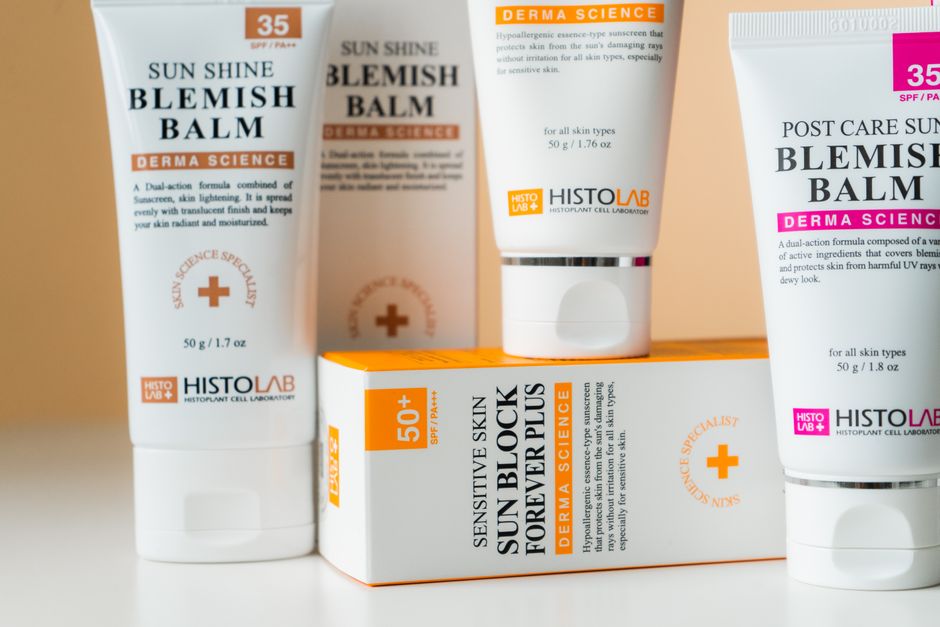
At the center of this movement is the concept of skin chronobiology. Your skin operates on a 24-hour cycle, governed by a central biological clock in the brain and peripheral clocks located within individual skin cells. This internal timing mechanism causes your skin to shift its primary functions between “day mode” and “night mode.”
Day Mode: The Defense Shield
During daylight hours, your skin is in a state of high alert. Its primary objective is protection. Because the skin is constantly exposed to environmental stressors—such as ultraviolet (UV) radiation, atmospheric pollution, and fluctuating temperatures—the circadian rhythm prioritizes the production of antioxidants and the strengthening of the skin barrier. During the day, the skin’s permeability is lower, making it more resistant to external irritants, but also slightly less receptive to heavy, occlusive ingredients.
Night Mode: The Restoration Phase
As the sun sets and your body prepares for rest, your skin undergoes a physiological shift. This is when the biological clock triggers “night mode,” prioritizing repair and regeneration. Cell division rates increase, blood flow to the skin improves, and the skin barrier becomes more permeable. This increased permeability makes the evening the optimal time for the absorption of active ingredients, as the skin is busy repairing DNA damage caused by daytime stressors and replenishing its moisture reserves.
Syncing Your Routine: The 11 PM Beauty Curfew
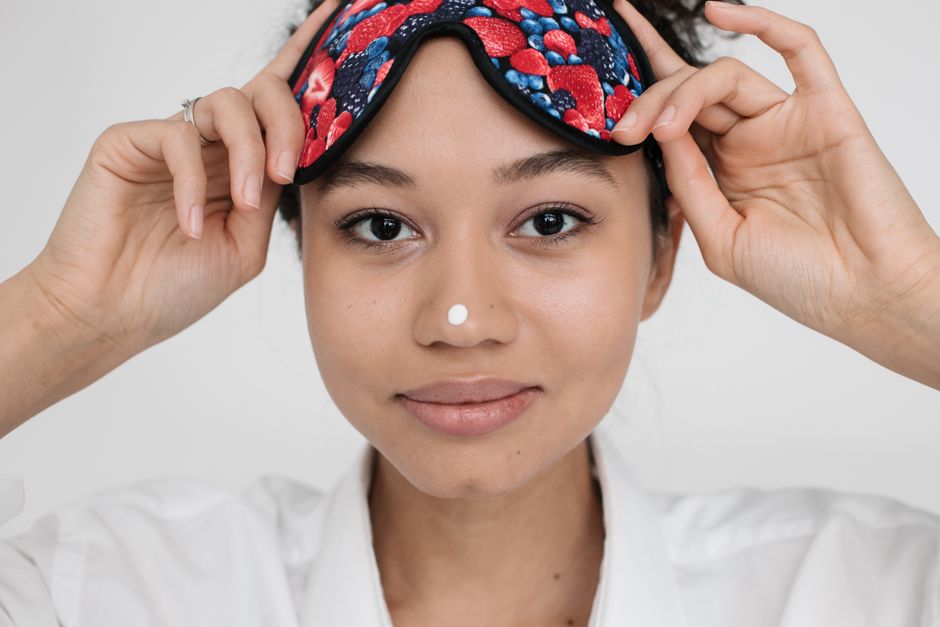
The concept of “chrono-skincare” suggests that applying products at the right time is just as important as the quality of the ingredients. A popular standard emerging in the beauty community is the “11 PM beauty curfew.” The logic is rooted in the peak of the body’s natural repair cycle. If you wait until the early hours of the morning to apply your night cream, you are essentially missing the window of opportunity when your skin is most receptive to restorative agents.
By applying your nighttime regimen before 11 PM, you ensure that your skin has the necessary tools—peptides, stem cell technology, and vitamins—exactly when it is programmed to utilize them for cellular renewal. This practice prevents your skincare from suffering from what experts describe as “beauty jet lag,” where your products sit on the surface rather than being integrated into the skin’s nighttime repair processes.
Optimizing Your Daily and Nightly Regimen
To truly embrace bio-adaptive beauty, your morning and evening products should be chosen based on their functional role within your circadian rhythms. The following table illustrates how to categorize your skincare based on these biological cycles.
| Time of Day | Biological Priority | Focus Ingredients | Product Strategy |
|---|---|---|---|
| Morning (Day) | Protection & Defense | Vitamin C, SPF, Antioxidants | Lightweight, barrier-strengthening, UV-blocking |
| Evening (Night) | Repair & Restoration | Retinols, Peptides, Ceramides | Nutrient-dense, penetrative, regenerative |
Choosing the Right Ingredients
Brands like Circadia have pioneered the use of chronobiology-focused skincare, emphasizing that ingredients must be chosen to support the body’s specific needs at specific times. During the day, look for products that feature potent antioxidants to neutralize free radicals. At night, lean into formulas that utilize second-generation vitamins and peptides designed to accelerate the skin’s natural turnover process. Additionally, environmental factors like sleeping on a high-quality, moisturizing pillowcase can help minimize friction and moisture loss, further supporting the skin’s recovery while you sleep.
Addressing Common Questions About Biological Rhythms
How does the circadian rhythm affect the skin?
The circadian rhythm regulates critical skin functions, including hydration levels, oil production, and cell regeneration. By controlling when the skin focuses on defense versus repair, these rhythms dictate how effectively the skin handles environmental stress during the day and how efficiently it heals itself at night. When these rhythms are disrupted, it can lead to increased inflammation, faster signs of aging, and a compromised skin barrier.
Is the circadian rhythm a biological rhythm?
Yes, the circadian rhythm is a fundamental biological rhythm. It is an internal, self-sustaining process that cycles approximately every 24 hours. It is influenced by external cues, primarily light and darkness, which signal to the brain and the rest of the body—including the skin—when to activate specific biological processes.
Do ADHD people have different circadian rhythms?
Research indicates that individuals with ADHD often experience “delayed sleep phase syndrome,” which means their biological clocks may be shifted relative to the traditional 24-hour cycle. This can result in a tendency to stay up later and struggle with morning wakefulness. Because their internal timing is offset, their skin’s “day” and “night” modes may also be slightly misaligned with typical social schedules, potentially affecting the timing of their skincare needs.
Can you reset your biological clock?
Yes, it is possible to support and reset your biological clock through “circadian hygiene.” This includes maintaining a consistent sleep schedule, exposing yourself to natural sunlight shortly after waking, and minimizing blue light exposure from screens in the hours leading up to bedtime. By stabilizing your sleep-wake cycle, you naturally allow your skin’s biological rhythms to function more effectively, making your skincare routine more impactful.
Conclusion
Embracing bio-adaptive beauty is about more than just buying the right product; it is about respecting the intricate timing of your own biology. Your skin is a sophisticated organ that has evolved to respond to the changing demands of the day and night. By aligning your skincare habits with these natural rhythms—applying protective antioxidants in the morning and restorative actives before the 11 PM curfew—you can optimize your skin’s health and vitality. As you sync your routine with your internal clock, you will find that your beauty regimen becomes less of a chore and more of a science-backed ritual, resulting in a complexion that is truly in balance with your body’s natural flow.