
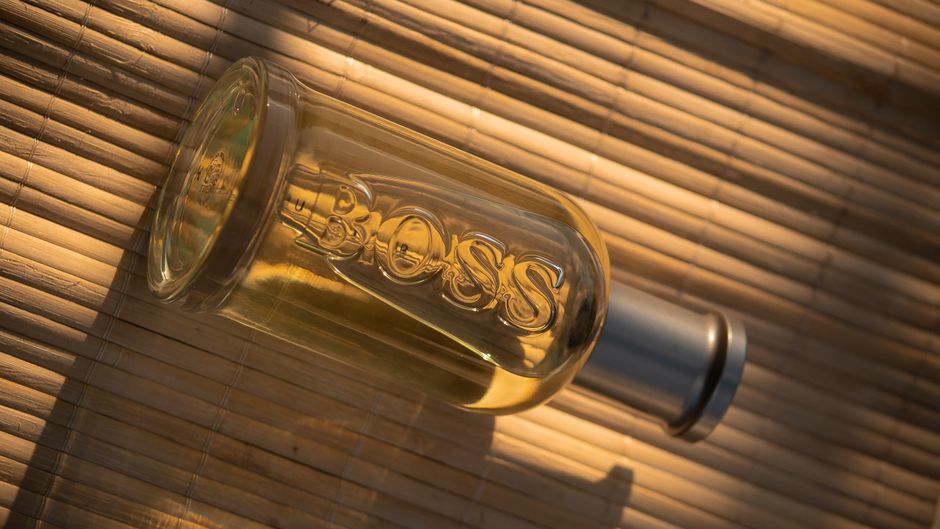
For decades, the fragrance industry relied on a simple premise: a man’s scent should signal status, attraction, or cleanliness. You wore a cologne to be perceived by others. However, as we look toward 2026, the paradigm is shifting. We are witnessing the rise of functional scents and neuro-aromatherapy, a movement that prioritizes how a fragrance makes you feel, rather than just how it makes you smell to the outside world. This represents a fundamental change in the fragrance industry, where the bottle on your shelf is no longer just an accessory—it is a tool for mood regulation, cognitive performance, and stress management.
The Science of the Scented Brain
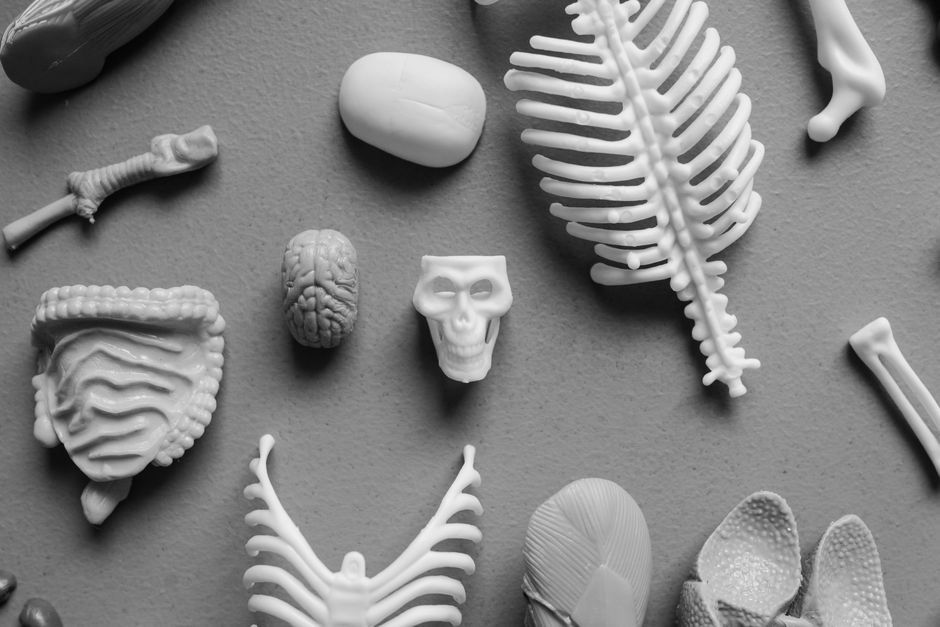
The transition from traditional perfumery to functional fragrances is driven by a synthesis of art and neuroscience. Modern fragrance houses are no longer relying solely on the intuition of perfumers; they are now utilizing MRI scanners, EEG imaging, and biosensory equipment to map exactly how specific molecules interact with the human brain. This is the core of neuro-aromatherapy: the understanding that our olfactory system is a direct line to the limbic system, the part of the brain that governs emotion, memory, and autonomic nervous system responses.
Hard-Wired Responses
Dr. Mark Moss, a prominent cognitive neuroscientist, has conducted extensive research proving that certain aromas can shift brain-wave patterns in predictable, near-universal ways. This suggests that humans are biologically hard-wired to respond to specific scent profiles. For example, the presence of phytoncides—organic compounds released by trees—has been shown to lower blood pressure and reduce cortisol levels. When you wear a fragrance constructed with these specific wood-based molecules, you are not just smelling like a forest; you are triggering a physiological “de-stress” response that mirrors the benefits of spending time in nature.
The Molecule-Mood Connection
The mechanism behind this is rooted in chemistry. Research into molecules like vanillin has shown that they interact with opioid receptors and serotonin levels in the brain. This explains why vanilla-based scents are frequently associated with comfort and relaxation. By isolating these effects, perfumers can now “engineer” fragrances designed to induce specific states of mind, whether that is increased focus for a high-pressure workday or a sense of calm to prepare for sleep.
Fragrance Trends 2026: Beyond the Aesthetic
According to current fragrance industry market analysis, the consumer demand for wellness-integrated products is accelerating. By 2026, the expectation for a premium men’s fragrance will shift from “does this smell expensive?” to “does this improve my day?”
Functional Fragrances vs. Traditional Perfume
It is vital to distinguish between a marketing gimmick and a functional fragrance. A traditional fragrance is designed for projection and longevity, aiming to maintain its scent profile for hours. A functional fragrance is designed for efficacy. While they may still smell sophisticated, their primary purpose is to modulate your internal state. These scents are often formulated with specific “accords” that target the autonomic nervous system. It is important to note, however, that while these scents are developed using scientific data, they are not medicinal products. They are tools for wellness, not pharmaceutical interventions.
Curating Your Functional Fragrance Collection
If you are looking to integrate neuro-aromatherapy into your daily routine, consider the objective you want to achieve. The market now offers specialized scents for various mental states.
| Objective | Key Ingredients | Intended Effect |
|---|---|---|
| Focus | Citrus, Peppermint, Rosemary | Increased alertness and cognitive clarity |
| Stress Relief | Cypress, Ho Wood, Juniper Berry | Lowered heart rate and cortisol reduction |
| Relaxation | Vanilla, Tonka Bean, Musk | Serotonin-boosting comfort and calm |
| Confidence | Frankincense, Nutmeg, Patchouli | Grounding and emotional resilience |
FAQ: Understanding Functional Fragrances
What is the hottest fragrance for men right now?
The current market trend is moving away from the “loud” designer scents of the past and toward “skin scents” and functional fragrances. Brands like Commodity and Edeniste are gaining significant traction because they offer a blend of high-end perfumery with the psychological benefits of neuro-aromatherapy. Men are increasingly gravitating toward scents that feel personal and soothing rather than aggressive.
What smell stimulates the brain?
Research suggests that crisp, bracing scents such as peppermint, rosemary, and lemon are highly effective at stimulating the brain. These aromas have been shown to increase alertness, improve memory retention, and boost cognitive performance. This is why many functional fragrances designed for the workday or gym environments utilize these top-note profiles.
What scent did Jesus use?
Historically, the scents associated with the biblical era, including those used by figures like Jesus, were primarily resins and oils. Frankincense and myrrh were the most prominent, often used in religious and healing contexts. These scents are still used today in functional perfumery, valued for their ability to promote a sense of groundedness, spiritual connection, and emotional stability.
What is the most trendy perfume for men right now?
The most trendy perfumes for men in the modern landscape are those that prioritize “wellness-as-luxury.” Scents that contain milky, creamy notes like tonka bean and labdanum are trending because of their ability to induce a sense of safety and comfort. This reflects a broader cultural shift where men are seeking fragrances that support mental well-being in an increasingly high-stress world.
Conclusion
The modern masculine fragrance landscape is undergoing a profound evolution. As we move closer to 2026, the integration of neuroscience and perfumery will likely become the standard rather than the exception. By understanding that our response to scent is rooted in biology, we can move beyond simply wearing a fragrance to “smell good” and begin using it as a deliberate, daily ritual for mood modulation. Whether you are looking to sharpen your focus or find a moment of peace in a hectic schedule, the rise of functional scents offers a sophisticated, evidence-based way to improve your quality of life. The future of fragrance is not just about the impression you make on others; it is about the internal environment you cultivate for yourself.