
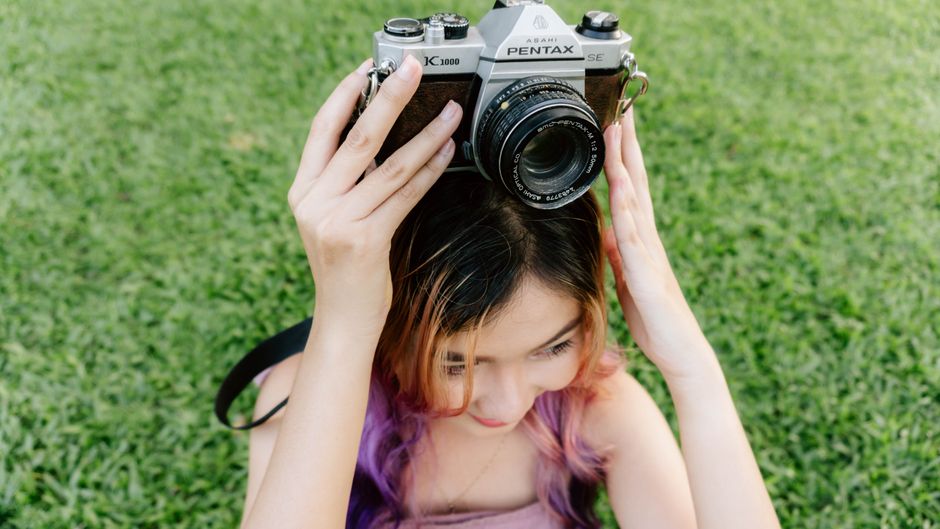
In an era defined by high-speed connectivity, algorithmic feeds, and the constant pressure of digital perfection, a quiet revolution is taking place in the pockets and backpacks of Gen Z. Young creators are stepping away from the infinite scroll and the high-resolution clarity of smartphone sensors to embrace the tactile, unpredictable, and deliberate world of film photography. This shift toward analog tech is not merely a nostalgic aesthetic choice; it is a profound reaction to the fatigue of a hyper-digital existence. By reclaiming cameras that require patience, physical film, and a willingness to embrace imperfection, a new generation is redefining what it means to document their lives.
The Psychology of the Digital Detox

For a generation that has never known a world without the internet, the ubiquity of digital photography has paradoxically made the act of taking a picture feel less meaningful. When you can capture thousands of images on a smartphone without cost or consequence, the individual photograph loses its weight. The resurgence of film photography functions as a necessary digital detox, offering a tangible antidote to screen fatigue.
The Value of Limitation
The core of the slow-tech movement lies in the scarcity of the medium. A standard roll of 35mm film provides only 24 or 36 exposures. This physical limitation forces the photographer to slow down and consider every frame. Unlike digital cameras, which encourage a “spray and pray” approach, analog tech demands intentionality. You are not just capturing a moment; you are investing in it. This shift from quantity to quality changes the relationship between the creator and the subject, turning photography from a mundane task into a mindful ritual.
The Beauty of Imperfection
Digital photography is obsessed with sharpness, dynamic range, and post-processing perfection. However, the soul of film photography often resides in its flaws. Light leaks, grain, color shifts, and the occasional out-of-focus shot are welcomed by Gen Z as markers of authenticity. In a world where AI-generated imagery and heavy filters have blurred the line between reality and fabrication, the raw, unedited nature of a processed film print feels refreshingly real.
Understanding the Analog Workflow
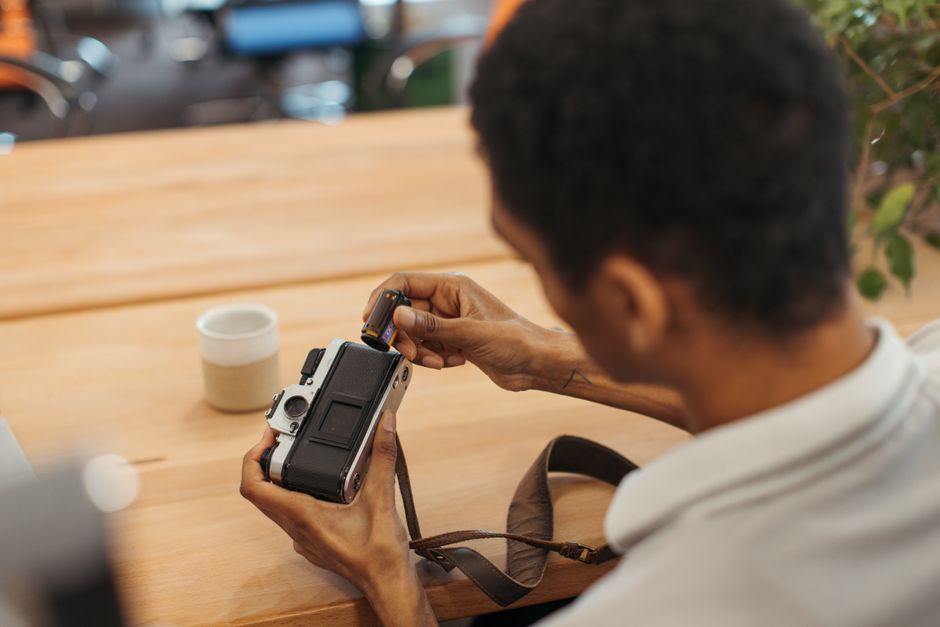
Transitioning from a smartphone to a film camera involves more than just changing hardware; it requires an entirely different workflow. This process is tactile and educational, teaching users about the physics of light and the mechanics of exposure in a way that menus on a touchscreen never could.
The Tangible Process
The journey from the shutter click to the final print is a multi-sensory experience. It involves the physical loading of the film, the satisfying mechanical click of the shutter, the anticipation during the developing process, and finally, the excitement of seeing the negatives for the first time. This physical engagement with analog tech provides a sense of accomplishment that is missing from the instant gratification of cloud-based photo storage.
| Feature | Digital Photography | Film Photography |
|---|---|---|
| Feedback | Instant (LCD Screen) | Delayed (Development) |
| Cost | Low per image | High per image |
| Experience | Efficiency-focused | Process-focused |
| Aesthetic | Sharp, clinical | Grainy, organic |
Why Gen Z is Leading the Charge
While film photography has always had a dedicated community of enthusiasts, the current wave led by Gen Z is distinct. It is driven by a desire for ownership and physical permanence in a digital landscape where data can be deleted, hacked, or lost in a server crash. A physical photograph, held in one’s hand or pinned to a wall, represents a permanent anchor to a specific moment in time.
The Social Aspect of Analog Tech
Film photography also serves as a social bridge. Enthusiasts often frequent local labs, swap cameras, and share tips on online forums, creating a community centered around a shared hobby rather than competitive social media metrics. The act of sharing a film photo—often scanned and posted to Instagram—becomes an act of curation rather than a compulsive documentation of daily life.
Frequently Asked Questions
Is film photography too expensive for a student budget?
While the cost of film stock and development has risen, it is a matter of perspective. Because film photographers shoot fewer frames, they often spend less on photography per year than someone who constantly upgrades their smartphone or pays for cloud storage subscriptions. Many hobbyists also learn to home-develop their black-and-white film to drastically reduce costs.
Do I need to buy an expensive vintage camera to start?
Absolutely not. Many of the best entry-level film cameras are point-and-shoots found at thrift stores or online marketplaces. You do not need a professional-grade Leica or Nikon to get started. Often, the limitations of a cheaper, simpler camera force you to be more creative with your compositions.
Is it difficult to learn how to use a manual camera?
The learning curve is part of the appeal. Understanding the “exposure triangle”—aperture, shutter speed, and ISO—is fundamental to photography. Learning these concepts on a manual camera provides a foundational knowledge of light that will make you a better photographer regardless of whether you are shooting on film or digital.
What should I do with my film once I have shot a roll?
You have two main options: you can send your film to a professional lab for processing and scanning, or you can set up a home darkroom. Most beginners start by using a lab that provides both physical prints and digital scans, allowing you to enjoy the analog process while still having the ability to share your work online.
Conclusion
The resurgence of analog photography is not a rejection of progress, but a reclamation of human experience. By choosing to engage with film, Gen Z is prioritizing the process over the product and the moment over the metric. This “slow-tech” movement highlights a growing cultural craving for depth, patience, and physical presence. As we continue to navigate an increasingly complex digital world, the humble film camera serves as a reminder that the most meaningful images are the ones we take the time to see, frame, and cherish. Whether it is the grain of a 35mm roll or the anticipation of a developing tank, analog tech offers a path to a more intentional way of living and creating.