
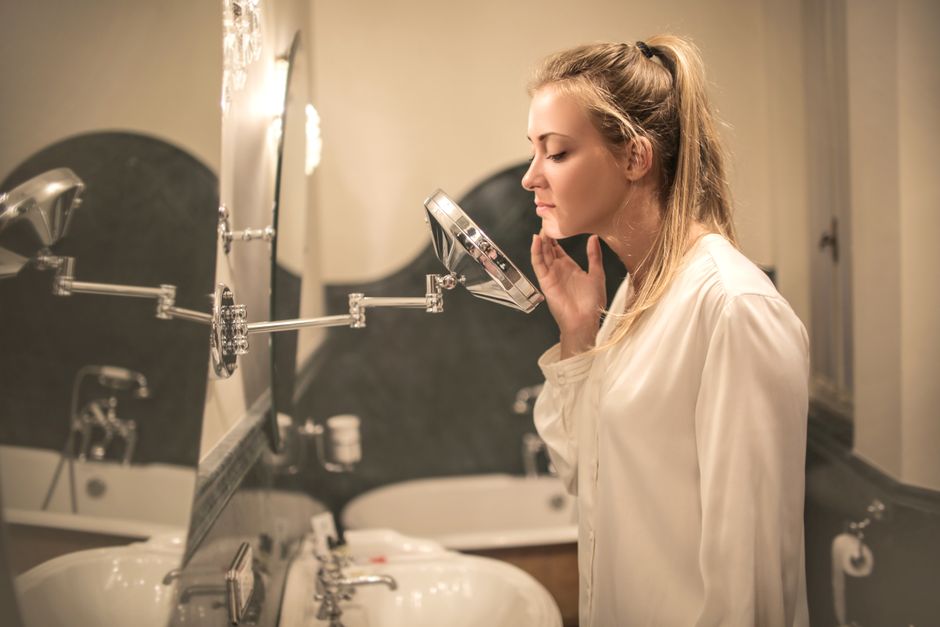
The landscape of beauty is undergoing a quiet, high-tech revolution. For years, the industry was defined by maximalist routines, shelfies overflowing with colorful bottles, and the relentless pursuit of the next viral trend. However, a significant pivot is underway. Gen Z, a demographic once associated with experimental excess, is leading a sophisticated shift toward the “invisible” beauty routine—a movement rooted in biotechnology, clinical efficacy, and a refined “less is more” philosophy. This transition marks the end of storytelling-led marketing and the beginning of a science-first era where performance, sustainability, and skin health converge.
The Evolution of the Gen Z Skincare Paradigm
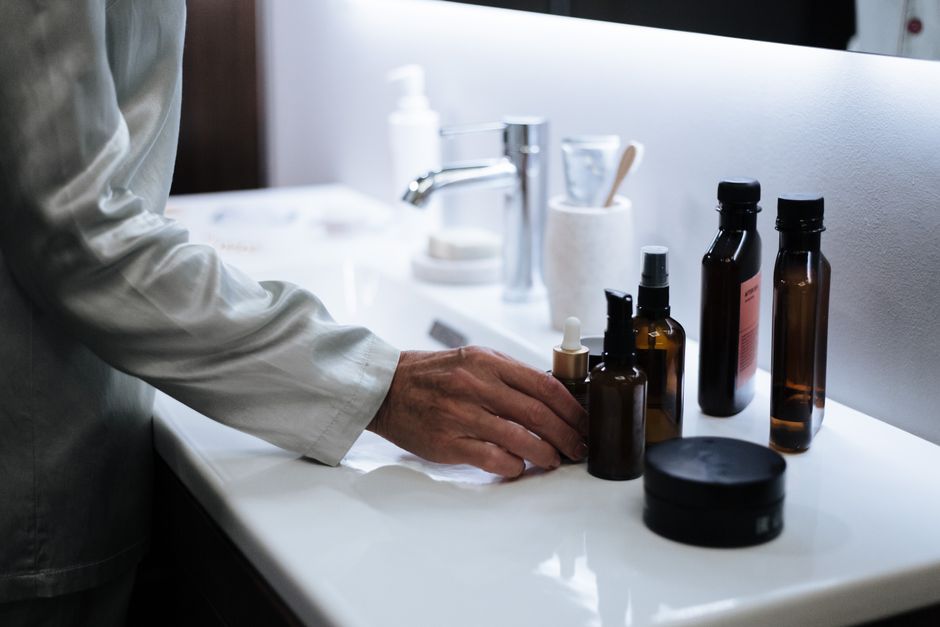
For Gen Z, beauty is not merely about vanity; it is a vital form of self-expression and a pillar of personal wellness. Research indicates that more than half of Gen Z consumers view beauty as a key way to signal identity, yet this generation is also demonstrating a newfound maturity in how they curate their vanity shelves. Having moved past the burnout of complex, ten-step regimens, these consumers are gravitating toward fewer products that pack a higher scientific punch. This is the essence of slow beauty: a deliberate, thoughtful approach that prioritizes long-term skin resilience over instant, fleeting gratification.
Brands like Bubble skincare have successfully captured this sentiment by balancing aesthetic appeal with accessible, ingredient-focused formulations. Yet, the broader industry trend is moving deeper into the laboratory. As consumers become more educated, they are looking past influencer endorsements and toward proprietary molecules and delivery platforms. This shift is turning the focus toward Gen Z skincare brands that prioritize clinical crossover—products that offer the level of performance expected from a dermatologist’s office but packaged for the everyday consumer.
Biotech: The Third Frontier of Beauty Innovation
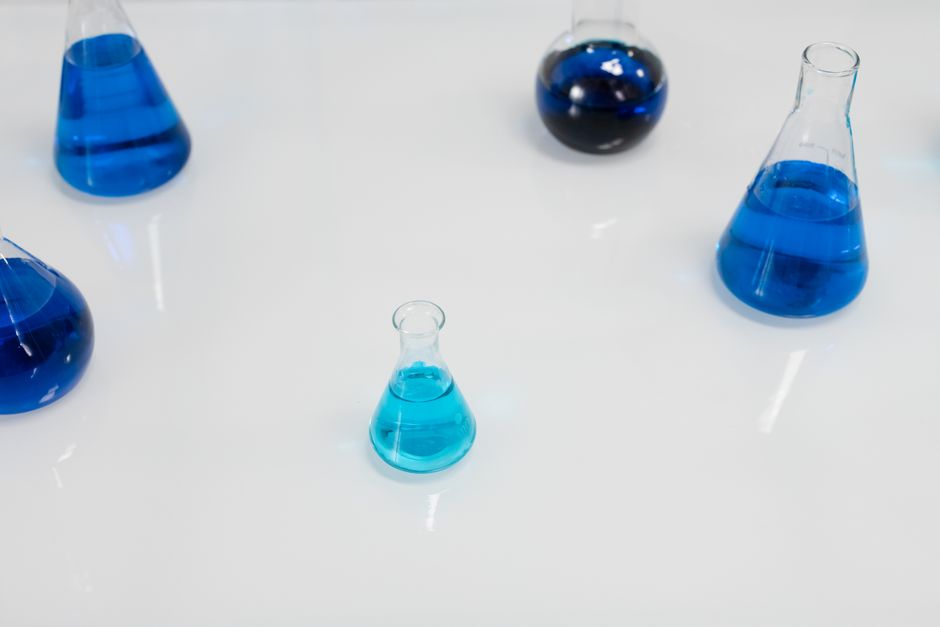
Biotechnology is rapidly emerging as the third frontier of innovation, following the traditional natural and synthetic categories. Approximately 35 percent of consumers are now expressing strong interest in lab-grown collagen, exosomes, and fermentation-derived actives. This interest is driven by a desire for “planet-approved” skincare that does not sacrifice potency for sustainability.
From Storytelling to Science
The industry is moving away from the era of “clean beauty” marketing, which often relied on vague claims, toward a culture of transparency and proof. Biotech allows brands to engineer ingredients that are cleaner, more consistent, and often more effective than their naturally derived counterparts. By utilizing fermentation, scientists can create bio-identical peptides or algae-based sugars that the skin recognizes and absorbs more efficiently. This engineering shift ensures that slow beauty is not just about using fewer items, but about ensuring every item in the routine performs at a clinical standard.
Clinical Crossover and the GLP-1 Effect
A major driver of this change is the convergence of skincare and healthcare. With the rise of medical weight-loss journeys and an increase in cosmetic procedures, there is a growing segment of younger consumers who need products that support skin barrier recovery and resilience. Biotech-based ingredients are uniquely suited for this, as they are often designed to mimic the body’s natural repair processes. This demand for performance-driven solutions is why strategic industry acquirers are now prioritizing the purchase of biotech platforms and intellectual property over simple brand scale.
The Minimalist Movement: Why Less is More
The “invisible” routine is a reaction against the over-consumption that defined the early 2020s. By focusing on a minimalist approach, Gen Z is embracing the idea that quality, not quantity, dictates skin health. This is not just a trend; it is a structural change in how consumers interact with their products. When a routine is composed of highly effective, biotech-backed formulas, there is simply no need for a dozen redundant steps.
| Feature | Traditional Skincare | Biotech-Driven Skincare |
|---|---|---|
| Primary Focus | Marketing and Storytelling | Molecular Efficacy and IP |
| Ingredient Sourcing | Synthetic or Raw Natural | Lab-grown and Fermented |
| Routine Philosophy | Maximalist (10+ steps) | Minimalist (Fewer, high-performance) |
| Environmental Impact | Variable/High | Low (Sustainable/Planet-Approved) |
Frequently Asked Questions
Why is Gen Z so obsessed with skincare?
For Gen Z, skincare serves a dual purpose: it is a tool for self-expression and a ritual for personal wellness. Because they have grown up with unprecedented access to information, they view beauty as a way to take control of their identity. Furthermore, they see skin health as an extension of overall physical health, leading them to view consistent, science-backed routines as a form of self-care rather than just a cosmetic necessity.
What is the #1 skincare in the world?
There is no single brand that holds the #1 title universally, as market leadership varies by region and category. However, the industry is seeing a shift where “the best” is increasingly defined by clinical validation. Brands that bridge the gap between mass-market accessibility and dermatological science—like No7 in the UK or various derma-backed indie brands—are currently dominating the conversation because they offer the trust and performance that modern consumers demand.
What is the 4-2-4 rule in skincare?
The 4-2-4 rule is a cleansing method often cited in minimalist routines. It involves four minutes of massaging an oil-based cleanser into the skin to break down makeup and sebum, followed by two minutes of a water-based cleanser to remove impurities, and four minutes of rinsing with water (alternating between warm and cool) to stimulate circulation. It is a perfect example of the slow beauty approach, emphasizing thoroughness and ritual over the use of harsh chemical exfoliants.
What are the skincare trends for Gen Z in 2026?
By 2026, the primary trend will be “clinical minimalism.” Consumers will continue to distance themselves from complex routines in favor of high-tech, biotech-backed products that offer multi-functional results. We expect to see a surge in “post-procedure” skincare designed for home use, a move toward personalized formulas based on individual skin biology, and an increased reliance on data-backed ingredients like fermented peptides and lab-grown exosomes.
Conclusion
The transition toward biotech-infused, minimalist beauty represents a maturation of the industry. As Gen Z continues to prioritize self-expression, they are demanding that the beauty industry grow up alongside them, replacing buzzwords with molecular truth. By adopting a routine of fewer products that are scientifically validated and ethically produced, this generation is redefining what it means to be beautiful. The future of the industry lies not in the next viral sensation, but in the proprietary technology that makes our skincare more effective, more sustainable, and ultimately, more invisible.