
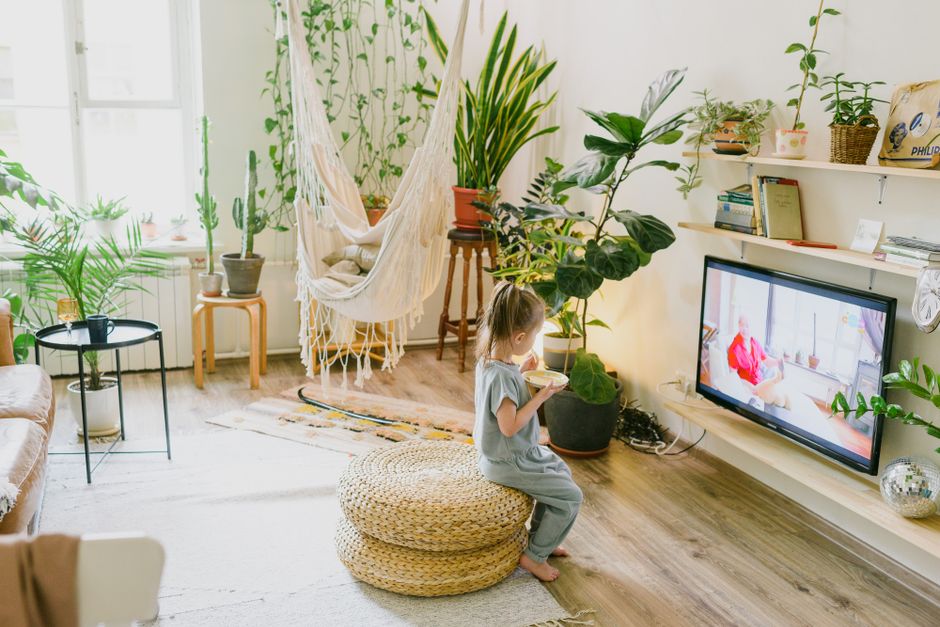
As modern living shifts increasingly toward the indoors, the necessity of creating restorative, healthy environments has never been more critical. For homeowners and designers, the challenge lies in bridging the gap between clinical, sterile technology and the human need for connection with the natural world. This is where the intersection of biophilic design and smart home technology creates a new paradigm: Biophilic Tech. By integrating nature-inspired air purification systems directly into the architecture of a home, we can move beyond the era of bulky, plastic appliances and embrace living systems that treat air quality as an essential, aesthetic component of the interior landscape.
The Evolution of Indoor Air Quality
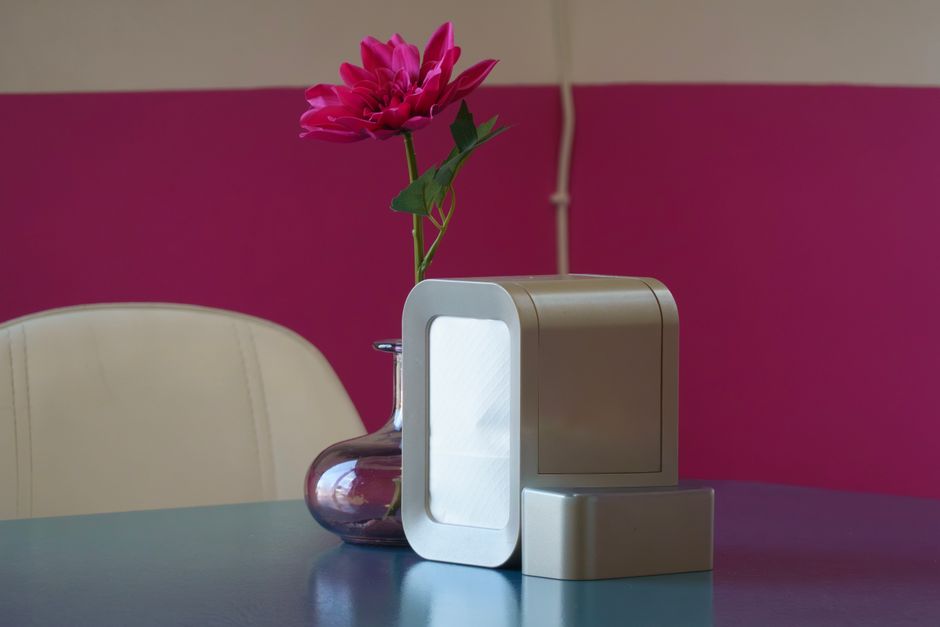
For years, indoor air purification has been defined by standalone HEPA filters—functional, loud, and often visually disruptive machines that occupy valuable floor space. While effective at trapping particulate matter, these devices do not address the psychological need for nature. Modern biophilic design, however, posits that our well-being is intrinsically tied to our exposure to natural processes. The latest generation of air purification technology shifts the focus from simple filtration to biological remediation, often referred to as biofiltration.
Understanding Biofiltration
Biofiltration is a natural process where microorganisms living in the root zones of plants break down organic pollutants into nutrients. Systems such as the Respira smart garden utilize this process by actively drawing indoor air through a hydroponic root system. This is a sophisticated application of modern biophilic interior design, where the plant acts as more than just a decorative element; it serves as a functional, living engine for air quality. Unlike traditional filters that eventually clog and require disposal, these systems create a self-sustaining cycle, effectively cleaning the air while maintaining the humidity and greenery that define biophilic interior design examples.
Integrating Nature-Inspired Systems into Smart Home Design

The true power of these systems emerges when they are treated as architectural features rather than accessories. Integration requires a shift in how designers approach the biophilic interior design living room or bedroom. Instead of placing a purifier in the corner, designers are now working with technology integrators to build these systems into cabinetry, wall partitions, or custom furniture pieces.
The Role of Smart Home Connectivity
The marriage of nature and technology is facilitated by the Internet of Things (IoT). Today’s biophilic air purifiers, such as the Briiv Pro, utilize AI-powered sensors to monitor air quality in real-time. These devices can communicate with broader smart home ecosystems, adjusting their operation based on occupancy patterns or air quality spikes. Through smartphone apps or voice-controlled platforms like Alexa, homeowners can manage their indoor environment with the same precision they use to control lighting or climate, ensuring that the benefits of nature are optimized without requiring constant manual intervention.
Designing for Spatial Harmony
When considering biophilic design, the visual impact is just as important as the functional output. Architects and interior designers are increasingly incorporating modular, wall-mounted air purification units that can be customized to match the color palette and texture of a room. This integration minimizes the visual clutter of traditional technology, allowing the natural elements to take center stage. For those seeking professional guidance, many resources—including a comprehensive biophilic interior design PDF or a specialized biophilic interior design course—now emphasize the importance of spatial planning that allows natural systems to thrive alongside modern smart home infrastructure.
Beyond Air: The Holistic Wellness Ecosystem
While air purification is a primary focus, it represents only one facet of a comprehensive wellness-oriented smart home. A truly immersive natural environment utilizes technology to simulate the multisensory experience of being outdoors. This is often achieved through a combination of several key technologies:
| Technology Category | Biophilic Function | Smart Home Integration |
|---|---|---|
| Circadian Lighting | Regulates sleep-wake cycles through light temperature | Automated scheduling based on time of day |
| Biofiltration Walls | Natural air cleaning and humidity control | AI-monitored fan speeds and nutrient cycles |
| Acoustic Simulation | Masking city noise with nature sounds | Connected audio systems triggered by motion |
| Virtual Skylights | Providing the illusion of natural overhead light | Dynamic brightness adjustments based on outdoor lux |
By layering these technologies, smart-home professionals can create an environment that feels alive. A biophilic interior design approach in a living room, for instance, might involve a biofiltration wall paired with circadian lighting that shifts from cool, energizing blue tones in the morning to warm, relaxing amber hues in the evening, all while the sound of a distant stream plays softly through integrated speakers.
Frequently Asked Questions
How does a biofiltration system differ from a standard HEPA purifier?
Standard HEPA purifiers use mechanical filters to trap particles. Once the filter is full, it must be replaced. Biofiltration, by contrast, uses the natural metabolic processes of microbes at the base of plants to break down volatile organic compounds (VOCs) and other pollutants. It is a regenerative system that simultaneously improves air quality and adds aesthetic, natural life to a space.
Can these systems be installed in any room?
Yes, but placement is key. Because these systems often rely on plant life, they perform best in spaces with appropriate ambient light or where integrated grow lights are used. Smart home integrators can help determine the best location to ensure the system is integrated into the room’s layout without obstructing flow, maintaining the principles of high-end modern biophilic interior design.
Is it difficult to maintain a living air purification wall?
Modern systems are designed for ease of use. Many utilize self-watering hydroponic technology and automated sensors that alert the homeowner via a smartphone app when the water tank needs refilling or when maintenance is required. The goal is to provide the health benefits of biophilic design without the burden of complex plant care.
Do I need to hire a professional to implement these systems?
While some units are plug-and-play, incorporating these features into a home’s smart infrastructure—such as connecting them to voice assistants or home dashboards—is best managed by a professional smart-home integrator. They can ensure that all components of your biophilic environment work in harmony, maximizing the efficiency and longevity of the equipment.
Conclusion
The integration of nature-inspired technology into our living spaces marks a significant shift in how we define a “smart home.” We are moving away from a purely digital, automated existence and toward a more balanced, biological future. By adopting biophilic design principles, we can transform our homes into sanctuaries that not only look beautiful but actively contribute to our physical and mental health. Whether through the installation of a biofiltration wall or the thoughtful use of circadian lighting, the goal remains the same: to create an environment that feels less like a machine and more like a habitat. As we continue to refine our mastery of modern biophilic interior design, we find that the most advanced technology is often the kind that helps us feel most at home with nature.