
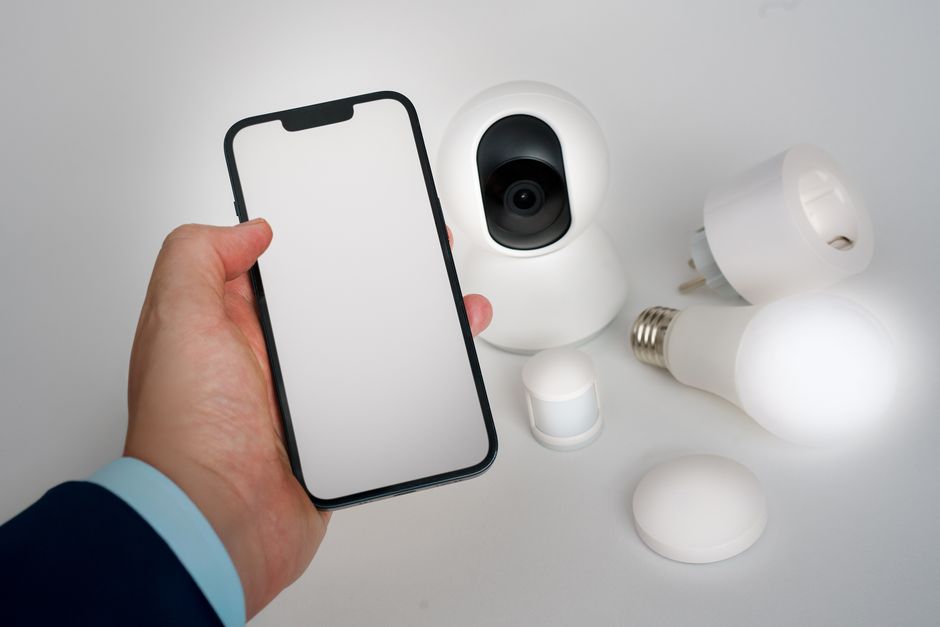
For tens of thousands of years, the human internal biological clock has been precisely calibrated by the rising and setting of the sun. This internal mechanism, known as the circadian rhythm, governs everything from hormone production and body temperature to sleep-wake cycles and cognitive performance. However, in the modern era, humans spend approximately 90 percent of their time indoors. This shift has detached our biological processes from their primary environmental cue: natural light. As interior designers and technology integrators, we now have the tools to bridge this gap through bio-adaptive lighting, a sophisticated approach to lighting design that synchronizes the indoor environment with the natural progression of the day to support human health and well-being.
The Science of Circadian-Synced Environments
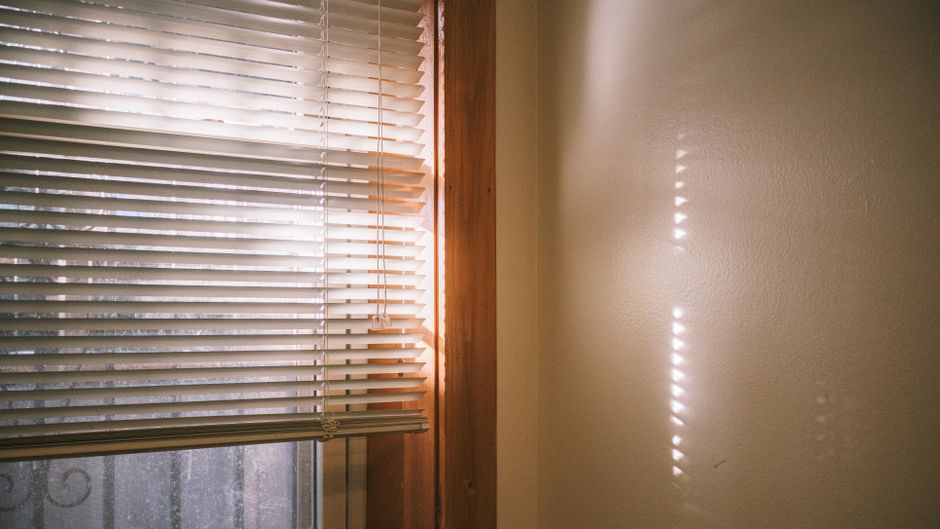
At its core, circadian lighting is the practice of manipulating the intensity and color temperature of artificial light to mimic the spectral changes of the sun. When we design spaces that ignore these biological imperatives, we risk disrupting the production of melatonin—the sleep-inducing hormone—and cortisol, which promotes alertness. By integrating adaptive lighting systems, we can create environments that actively support the occupant’s biological needs rather than simply providing functional illumination.
The Role of Spectral Quality
Not all light is created equal when it comes to biological impact. Research indicates that light within the 475 to 525 nanometer (nm) wavelength range—typically perceived as blue-enriched white light—is particularly effective at suppressing melatonin and increasing alertness. During the morning hours, exposure to this spectrum is essential for advancing the circadian rhythm, helping the body wake up and resetting the internal clock for the day ahead. Conversely, as the evening approaches, a human–centric design strategy should shift toward warmer, amber-toned light to allow for natural melatonin production, ensuring that the home environment promotes restorative sleep.
Strategic Implementation in Residential Design
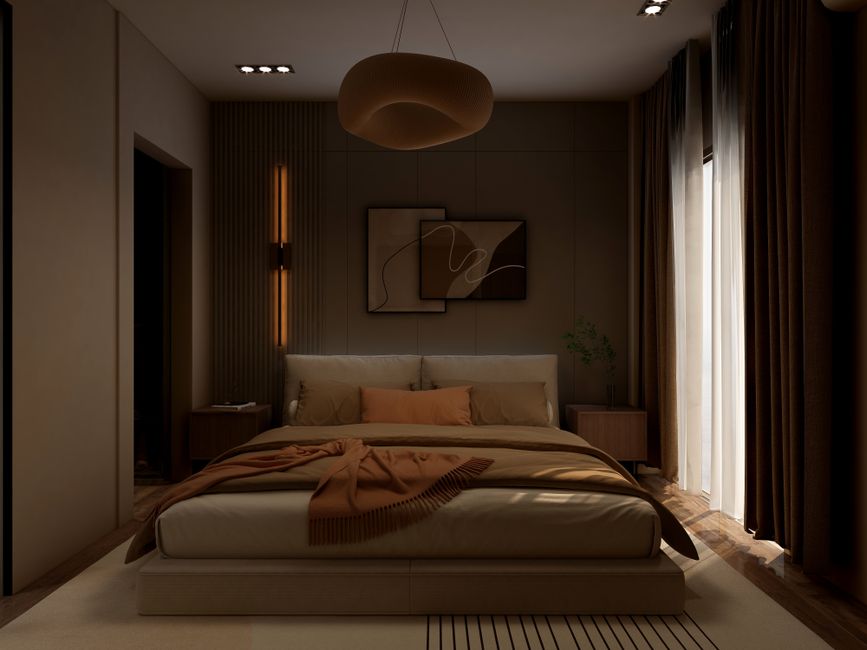
Integrating bio-adaptive lighting requires moving beyond basic lumen calculations. It demands a holistic understanding of how a client uses their space throughout the 24-hour cycle. A successful lighting design strategy treats the home not as a static shell, but as a dynamic, living system.
Assessing User Requirements
Before selecting fixtures or control protocols, a designer must perform a deep audit of the occupant’s lifestyle. A remote worker who spends hours in a home office requires a different lighting profile than a retiree who values evening relaxation in a media room. Key considerations include:
- The primary occupancy hours of each room.
- The orientation of the home and the amount of natural daylight already entering the space.
- Specific health or sleep goals of the residents.
- The intersection of lighting with other home automation systems, such as motorized window treatments.
The Integration of Natural and Artificial Light
The goal of adaptive lighting is not to replace natural light but to complement it. Advanced control systems can now monitor external daylight sensors to adjust interior brightness levels in real time. If a cloud passes over or the sun dips below the horizon, the system seamlessly compensates, ensuring the interior light levels remain consistent with the body’s needs. This layering of light ensures that the transition from day to night is felt biologically, even if the occupant is working in a windowless room.
Technical Considerations for Modern Systems
Transitioning from static lighting to a circadian-synced ecosystem involves more than just swapping bulbs. It requires a robust control infrastructure capable of managing color-tunable LEDs and complex scheduling algorithms. When specifying systems, designers should prioritize hardware that offers high color rendering indices (CRI) and smooth dimming curves, as flickering or poor color quality can negate the biological benefits of the system.
| Time of Day | Biological Goal | Lighting Characteristics |
|---|---|---|
| Early Morning | Wakefulness & Alertness | High intensity, blue-enriched (cool) white light |
| Mid-Day | Peak Performance | Bright, neutral white light |
| Late Afternoon | Transition | Decreasing intensity, shifting toward warm tones |
| Evening | Melatonin Production | Low intensity, warm, amber-rich light |
Addressing Common Challenges
While the benefits are clear, the industry is still maturing, and designers often face hurdles when implementing these solutions. The primary challenge is the complexity of programming. A system that is too rigid can frustrate users, while one that is too subtle may have no biological effect. The secret lies in intuitive overrides that allow occupants to take control of their environment when necessary, without losing the benefits of the automated schedule.
FAQ: Understanding Bio-Adaptive Lighting
How does circadian lighting differ from standard dimmable lighting?
Standard dimming only reduces the brightness of a light source, often leaving the color temperature unchanged or shifting it in an unnatural way. Circadian lighting specifically alters the spectral composition of the light, ensuring the color temperature aligns with the time of day, which is the primary driver of biological responses.
Can I upgrade an existing home to include these systems?
Yes, although it often requires replacing existing fixtures with color-tunable LED modules and upgrading the control system to one that supports scheduling based on astronomical clocks. The complexity depends on the existing wiring and the depth of the smart home infrastructure already in place.
Does this technology require constant user input?
Ideally, no. A well-designed bio-adaptive system should function autonomously in the background. Once the initial profile is set based on the user’s circadian requirements, the system should manage the transitions automatically, acting as a silent partner in the home’s wellness strategy.
Conclusion
The shift toward human-centric, bio-adaptive lighting design represents a significant evolution in how we conceive of our indoor spaces. By acknowledging our biological roots and the profound impact of light on our internal rhythms, designers can create environments that do more than look beautiful—they actively contribute to the health and vitality of those who inhabit them. As technology continues to advance and become more accessible, integrating these systems will soon move from a luxury offering to a fundamental standard in high-end home design, ensuring that our homes serve as true sanctuaries for both mind and body.