
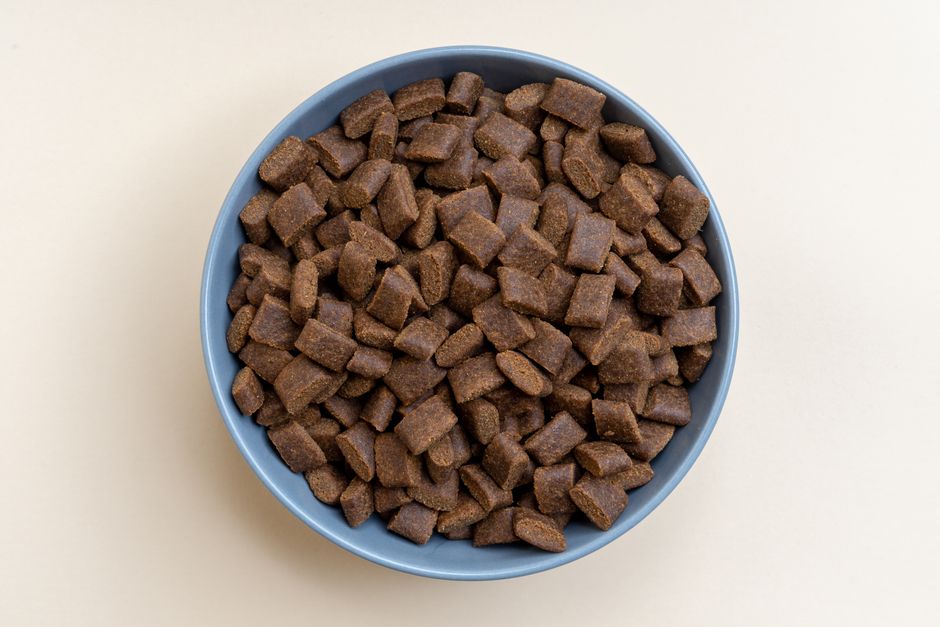
The pet food industry is undergoing a significant transformation as manufacturers shift from traditional ingredient sourcing toward a model defined by circular nutrition. At the heart of this evolution is the rise of upcycled ingredients. Once relegated to the category of byproducts or waste, these materials are now being recognized for their immense potential to enhance the nutritional, environmental, and economic profile of pet diets. For modern pet food brands, upcycling is no longer just a sustainability talking point; it is a sophisticated strategy for value creation that aligns with the growing consumer demand for responsible, high-quality pet nutrition.
Defining Upcycled Ingredients in Modern Formulation
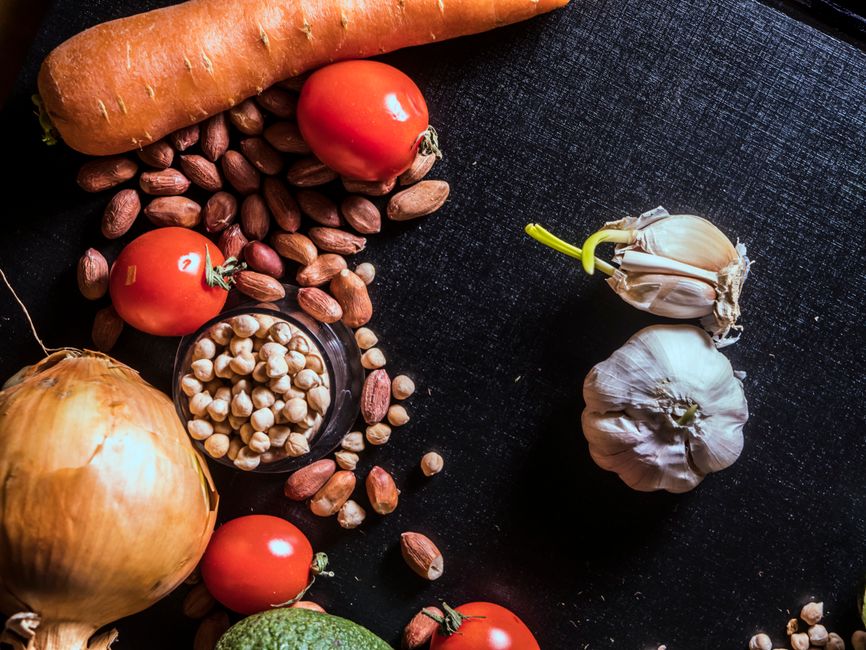
At its core, the concept of upcycling involves taking food-grade materials that would otherwise be discarded or diverted to lower-value streams and redirecting them into new, higher-value applications. In the context of pet nutrition, this means capturing co-products from the human food supply chain—such as brewers’ spent grain, fruit pulp, cheese trimmings, or specific animal proteins—and processing them into safe, nutrient-dense components for dogs and cats.
The Upcycled Food Association (UFA) provides a rigorous framework for this practice, emphasizing that these ingredients must be procured through verifiable supply chains and provide a measurable positive impact on the environment. For manufacturers, the transition to upcycled ingredients food is driven by the realization that these materials often possess a nutrient density that matches or exceeds traditional ingredients, while simultaneously addressing the ethical imperative to reduce food loss.
The Science of Value Creation
A common misconception is that upcycling is solely an environmental endeavor. In professional pet nutrition, the primary driver is value creation. This involves enhancing the final product in ways that are scientifically measurable, focusing on palatability, digestibility, safety, and nutritional consistency. Research presented by experts such as Dr. Ann Marie Ocker highlights that upcycled ingredients are not mere fillers; they are functional components that can significantly improve diet performance.
Feeding trials and compositional analyses have demonstrated that many co-products—such as yeast, dairy-based ingredients, and specialized animal fats—offer bioavailable micronutrients and essential fatty acids. By utilizing these ingredients, manufacturers can maintain or improve the nutritional profile of a diet while lowering the carbon footprint of the final formula. The goal is to maximize the utility of every raw material, ensuring that the pet receives the highest quality nutrition while the manufacturer operates within a more efficient, circular production system.
Strategic Benefits for Pet Food Manufacturers
Integrating upcycled ingredients into a product line offers a range of practical advantages that extend beyond corporate social responsibility. These benefits center on operational efficiency, supply chain resilience, and market differentiation.
Enhancing Palatability and Nutrition
The success of any pet food is tethered to whether the animal will actually consume it. Upcycled ingredients, such as dairy co-products or concentrated proteins, often provide flavor profiles that are highly attractive to dogs and cats. These ingredients can support energy density and contribute to the overall palatability of kibble, treats, and wet food. Furthermore, by using high-quality co-products, brands can introduce “superfood” elements that might be cost-prohibitive if sourced as primary, virgin ingredients.
Supply Chain Transparency and Stability
As global supply chains face increasing volatility, manufacturers are looking for ways to secure reliable sources of nutrition. Collaborating with food processors to capture co-products before they enter the waste stream creates a more stable, localized supply chain. This approach allows companies to build deep relationships with suppliers who understand the specific quality standards required for pet food, ensuring consistency in the final product.
Meeting Consumer Expectations
Today’s pet parents are increasingly viewing their pets as family members, leading to a “humanization” of pet nutrition. They are demanding the same levels of sustainability, transparency, and ingredient quality for their pets as they do for themselves. Brands that utilize upcycled ingredients are uniquely positioned to communicate a compelling story about environmental stewardship. When a brand can prove that its ingredients are not only healthy but also contribute to a reduction in landfill waste, it builds trust and loyalty with an increasingly conscious consumer base.
Practical Considerations for Implementation
Adopting upcycled ingredients requires a disciplined approach to quality control and safety. Just because an ingredient is “upcycled” does not mean it bypasses the regulatory and safety requirements governing the pet food industry. Manufacturers must ensure that every material undergoes the same level of review as any other ingredient.
Key considerations for successful integration include:
- Supply Chain Reliability: Establishing clear protocols with suppliers to ensure that the co-products are consistent in moisture, protein, and fat content.
- Processing and Storage: Upcycled materials may require specific handling techniques, such as specialized drying, cooling, or stabilization, to prevent microbial growth or oxidation before they are incorporated into the final formula.
- Regulatory Compliance: Ensuring that all upcycled materials are approved for use in animal feed and that the sourcing process aligns with regional feed safety regulations.
- Quality Control Testing: Implementing rigorous testing at the point of receipt to verify that the ingredients meet the nutritional and safety specifications of the specific pet food brand.
Frequently Asked Questions
What is the difference between byproducts and upcycled ingredients?
While the terms are related, upcycling is a more specific, value-driven practice. Traditional byproducts are often viewed as secondary goods. Upcycled ingredients are specifically selected, food-grade materials that are diverted from the human food waste stream to be used in ways that maintain or add value to the final product, often with a focus on sustainability and nutrient retention.
Are upcycled ingredients less nutritious than standard ingredients?
No. In many cases, upcycled ingredients are nutritionally robust. For example, brewers’ spent grain is rich in fiber and protein, and various fruit or vegetable co-products provide essential vitamins and antioxidants. The nutritional value depends on the quality of the source and the processing methods used to stabilize the ingredient.
How can a brand verify its upcycled status?
Brands can seek third-party certifications, such as the Upcycled Food Certification offered by the Upcycled Food Association. These certifications provide transparency and assurance to consumers that the ingredients meet specific standards for environmental impact and supply chain verification.
Conclusion
The shift toward upcycled ingredients represents a mature, sophisticated phase in the development of professional pet nutrition. By embracing circular nutrition, the industry is proving that sustainability and high-performance nutrition are not mutually exclusive—in fact, they are complementary. As manufacturers continue to refine their formulation strategies and deepen their partnerships with food producers, upcycled ingredients will become a standard element of the modern pet food landscape. By prioritizing value creation, rigorous safety protocols, and clear consumer communication, the industry can deliver products that are not only better for the planet but also superior for the health and vitality of the pets we serve.