
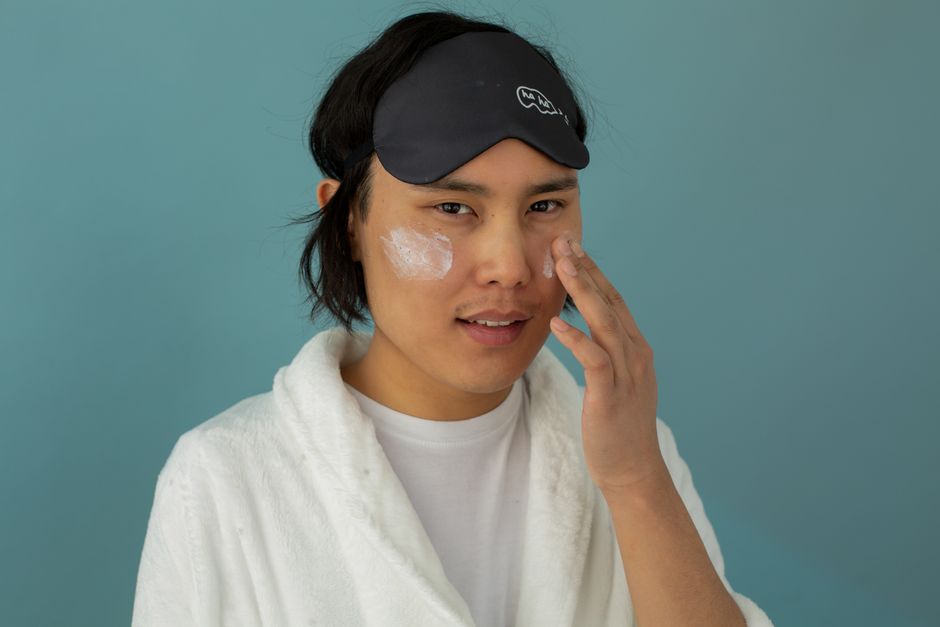
The modern approach to male grooming has undergone a seismic shift, moving away from simple, multipurpose soaps toward a sophisticated, science-backed regimen. This transition is defined by the “skincare-as-medicine” movement, a trend where men increasingly treat their topical applications as a form of long-term health maintenance rather than a transient vanity project. As the men’s skincare market growth continues to accelerate, the focus has pivoted sharply toward dermo-cosmetics—products that occupy the space between standard over-the-counter lotions and prescription-grade dermatological treatments. By prioritizing clinical efficacy over aesthetic branding, men are now navigating the beauty aisle with the same analytical mindset they might apply to fitness or nutrition.
Understanding the Dermocosmetics Meaning

To grasp why this category is dominating the current landscape, one must first understand the dermocosmetics meaning. Unlike traditional cosmetics, which primarily focus on the temporary appearance of the skin, dermo-cosmetics are formulated with bioactive ingredients designed to influence the skin’s biological functions. These products are often developed in collaboration with dermatologists and undergo rigorous testing to ensure they address specific physiological concerns, such as barrier repair, acne management, or age-related structural changes.
The rise of these products is not merely a marketing gimmick; it is a response to a more informed consumer base. Men are now looking for transparency. They want to know the concentration of active ingredients and the clinical evidence supporting their use. In this context, a skincare research paper is no longer just for industry insiders; it is a resource that modern men are actively consulting to validate their purchases.
The Shift Toward Ingredient-Led Masculine Grooming

The men’s skincare products market is currently being reshaped by a demand for ingredient-led marketing. Men are becoming fluent in the language of chemistry, gravitating toward specific actives that offer measurable results. This shift represents a move toward autonomy, where the consumer feels empowered by their knowledge of what they are applying to their face.
Key Actives Driving the Trend
- Niacinamide: Valued for its ability to regulate oil production and minimize the appearance of enlarged pores, which are common concerns for men with thicker, sebum-rich skin.
- Retinol: The gold standard for cellular turnover, used by men to address fine lines and uneven skin texture.
- Hyaluronic Acid: A critical humectant that provides deep hydration without the heavy, greasy residue that many men dislike in traditional moisturizers.
By focusing on these ingredients, dermocosmetics brands have successfully removed the “fluff” from grooming, appealing to men who value efficiency and performance. The goal is no longer just to look “fresh,” but to ensure the skin remains healthy, resilient, and protected against environmental stressors.
The 5 Benefits of Skin Care for Men
While the market is flooded with options, it is essential to understand the core advantages of adopting a consistent, science-based regimen. The 5 benefits of skin care, when utilizing high-quality dermo-cosmetics, extend far beyond surface-level aesthetics:
- Strengthened Barrier Function: High-quality products help maintain the lipid barrier, which is the skin’s first line of defense against pollution, bacteria, and moisture loss.
- Prevention of Premature Aging: Through the use of antioxidants and retinoids, men can significantly delay the onset of wrinkles and sun damage.
- Regulation of Sebum and Acne: Clinical-grade products can manage oil production at the source, preventing the breakouts that often plague men who use low-quality, comedogenic products.
- Improved Texture and Tone: Regular exfoliation and treatment with actives lead to a smoother, more uniform complexion, reducing the appearance of scarring or shaving-induced irritation.
- Long-Term Health Maintenance: By treating the skin as an organ, men proactively address potential issues like hyperpigmentation or sensitivity before they become chronic conditions.
The Role of Digital Education and E-commerce
The acceleration of the skincare products market is inextricably linked to the democratization of information. Social media platforms like TikTok and Instagram have played a pivotal role in demystifying the science behind these products. In the past, the barrier to entry for high-end skincare was the intimidating nature of the beauty counter. Today, short-form video content breaks down complex dermatological concepts into digestible, actionable advice.
This educational shift has allowed men to bypass the traditional “gatekeepers” of grooming. They can now research a specific ingredient, read the clinical efficacy studies, and purchase directly from the brand or a specialized retailer, all from their smartphones. This autonomy has turned skincare from a chore into a lifestyle choice—a daily ritual that mirrors the discipline of a workout routine.
Comparative Analysis: Traditional vs. Dermo-Cosmetic Products
| Feature | Traditional Cosmetics | Dermo-Cosmetics |
|---|---|---|
| Primary Goal | Immediate aesthetic appeal | Long-term physiological health |
| Formulation Strategy | Fragrance and texture focus | Active ingredient and efficacy focus |
| Testing Standard | Consumer satisfaction trials | Clinical trials and dermatological review |
| Target Audience | Broad, general consumer | Specific skin concerns and types |
Frequently Asked Questions
Is dermo-cosmetic skincare only for men with skin problems?
No. While these products are highly effective for addressing specific issues like acne or rosacea, they are also excellent for preventative maintenance. Using high-quality ingredients ensures that healthy skin remains protected and functioning at its peak, regardless of whether you currently have a “problem” area.
Do I need to see a dermatologist before using these products?
While you do not need a prescription for dermo-cosmetics, it is always a good idea to consult a professional if you have persistent skin concerns. A dermatologist can help you build a routine tailored specifically to your skin type, ensuring you aren’t over-treating or using conflicting actives.
Can I mix different brands in my routine?
Yes, but with caution. The most important factor is the compatibility of the active ingredients. For example, using multiple types of chemical exfoliants at once can lead to irritation. Always prioritize a simple, consistent routine over a complex one involving too many overlapping products.
How long does it take to see results?
Unlike traditional cosmetics that might offer a temporary “glow,” dermo-cosmetics work with the skin’s natural cycle. You should generally expect to see initial improvements in hydration and texture within two to four weeks, while more significant changes, such as reduced hyperpigmentation or improved collagen production, typically take three to six months.
Conclusion
The rise of the “skincare-as-medicine” movement signals a permanent change in how men approach personal care. As the men’s skincare market growth shows no signs of slowing, it is clear that the modern man is no longer satisfied with superficial solutions. By embracing dermocosmetics products, men are prioritizing their long-term health, utilizing clinical-grade actives to maintain the integrity of their skin. This shift toward an educated, research-driven approach is not just a trend; it is a fundamental evolution in male wellness. Whether you are addressing specific concerns or simply investing in the longevity of your skin, the transition to dermo-cosmetics represents a smarter, more effective way to look and feel your best.