

For decades, the conversation surrounding menopause was shrouded in silence and limited to rudimentary symptom management. Women were often told to simply endure the transition, relying on fragmented advice or outdated medical protocols. However, a seismic shift is currently underway. The rise of femtech—a sector dedicated to leveraging technology to address women’s unique health needs—is transforming menopause from a medical mystery into a manageable, data-driven life stage. This evolution is moving far beyond simple menstrual cycle tracking apps; it is creating a comprehensive, clinically integrated ecosystem that empowers women to take control of their midlife health.
The Evolution of Menopause Care

Historically, digital health tools for women were primarily focused on fertility. While these early platforms provided a foundation for understanding hormonal shifts, they often failed to address the complex, systemic changes that occur during perimenopause and menopause. Today, the femtech landscape has expanded to cover the entire continuum of care. Innovation now spans early education, predictive screening, and long-term, personalized treatment plans.
This maturation of the market is evidenced by a steady increase in clinical trials and patent filings. Companies are no longer just building digital diaries; they are creating sophisticated platforms that use biomarker analysis and machine learning to offer actionable insights. By integrating wearable data with clinical workflows, these technologies are bridging the gap between home-based monitoring and professional medical care, ensuring that a woman’s experience is validated by objective data rather than just anecdotal reporting.
Beyond Symptom Management: The New Frontier
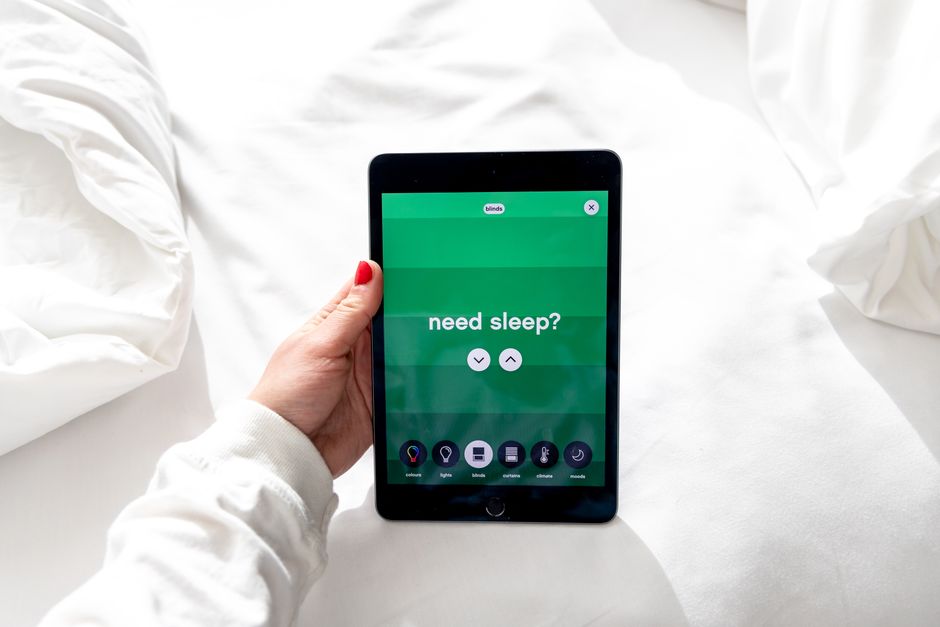
The true power of modern menopause technology lies in its ability to move beyond reactive symptom management. Instead of merely logging hot flashes, the new generation of tools focuses on holistic wellness and predictive health.
Predictive Modeling and Biomarker Analysis
Modern platforms are utilizing AI and machine learning to identify trends in hormonal patterns long before they become disruptive. Tools from companies like Oova, Mira, and Hertility allow women to track specific biomarkers, providing a clearer picture of their hormonal transition. By analyzing these data points, women can anticipate changes in their physiology, allowing for proactive adjustments in lifestyle or treatment before symptoms escalate. This shift from reactive to predictive care is a game-changer for midlife health.
Clinical Integration and Data Continuity
One of the most significant hurdles in menopause care has been the lack of communication between a patient’s daily experience and her clinical provider. The integration of tools like the Menopause Impact Scale (MIS) into clinical workflows marks a major milestone. By allowing patients to share clinically validated data—such as reports on cognitive function, sleep quality, and sexual health—directly with their primary care providers or specialists, these apps ensure that medical consultations are evidence-based and highly personalized. This connectivity reduces the frustration of explaining the same symptoms to multiple providers and ensures that treatment plans are grounded in a comprehensive view of the patient’s wellbeing.
Closing the Information Gap
Education remains a cornerstone of the femtech movement. Digital platforms such as Perry, Caria, and GenM are actively dismantling the stigma surrounding menopause by providing structured, medically reviewed content. These platforms help women understand that their symptoms—ranging from mood shifts to musculoskeletal pain—are part of a biological transition, not a personal failing. By providing accurate information early in the perimenopausal phase, these tools empower women to advocate for themselves in the doctor’s office and make informed decisions about hormone replacement therapy (HRT) or non-hormonal alternatives.
Addressing Health Inequalities and Accessibility
While the technological advancements are promising, the industry faces the critical challenge of ensuring these tools reach all women. Research indicates that there is a significant digital divide, particularly among women in areas of deprivation or those with limited technical literacy. Building trust is essential; many women are understandably wary of how their sensitive health data is handled and used by AI-driven platforms.
To be truly effective, future femtech initiatives must prioritize accessibility and inclusivity. This means designing interfaces that are intuitive for users of all technical backgrounds and ensuring that these technologies are integrated into public health campaigns and workplace benefits. By making these tools available through community-led groups and employer-sponsored programs, we can ensure that the benefits of the menopause tech boom are not reserved for a privileged few, but are available to every woman navigating this transition.
The Future of Personalized Menopause Care
The future of health in midlife is defined by personalization. We are moving toward a model where treatment is not one-size-fits-all, but is instead guided by continuous data streams. This includes personalized HRT regimens adjusted based on real-time feedback, skincare solutions tailored to hormonal skin changes, and nutritional support that adapts to the metabolic shifts of menopause. The goal is a comprehensive ecosystem that supports a woman’s physical, mental, and cognitive health throughout the transition and beyond.
Frequently Asked Questions
How does femtech differ from traditional health apps?
Traditional health apps often focus on generic fitness or simple cycle tracking. Femtech for menopause is specialized, focusing on the unique physiological changes of midlife. These platforms often incorporate clinically validated assessments, biomarker monitoring, and direct connections to specialized healthcare providers, making them much more than just a logging tool.
Can AI really help manage menopause symptoms?
Yes, AI is becoming a powerful tool in menopause care. By identifying patterns in data from wearables or hormone tests, AI models can predict when symptoms might worsen and suggest personalized lifestyle changes or alert a healthcare provider to the need for a treatment review. It transforms raw data into personalized health strategies.
Is my data safe when using these apps?
Data privacy is a top priority in the development of modern femtech. Reputable companies are increasingly focused on transparency, offering users clear insights into how their data is stored, protected, and used. When choosing an app, it is important to review the company’s privacy policy and ensure they adhere to strict data protection standards.
Does this technology replace the need for a doctor?
No, these technologies are designed to augment, not replace, professional medical care. They act as a bridge, providing both the patient and the physician with better information to make clinical decisions. They help facilitate more productive conversations, leading to more accurate diagnoses and personalized treatment plans.
Conclusion
The rise of femtech in the menopause space represents a long-overdue revolution. By shifting the focus from passive endurance to active, data-informed management, technology is giving women the tools they need to reclaim their midlife experience. As these digital solutions continue to integrate with clinical care and prioritize accessibility for all women, the potential to improve quality of life is immense. We are moving toward a future where menopause is no longer a silent struggle, but a well-supported, empowered phase of life, backed by the best that science and technology have to offer.