
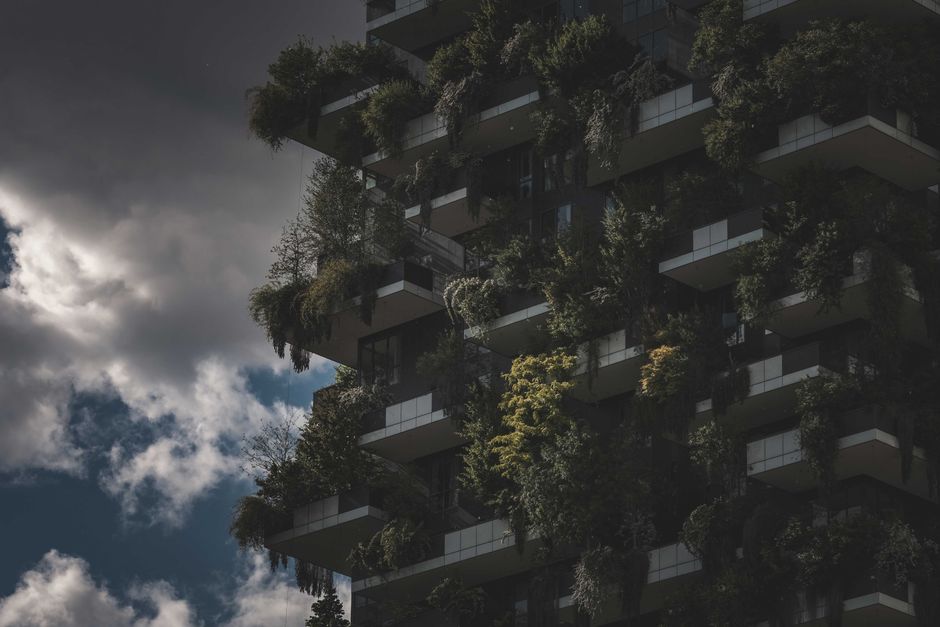
In the evolving landscape of contemporary urban living, the marriage of biophilic design and minimalist aesthetics offers a sophisticated solution to the constraints of small-space interiors. As our homes increasingly serve as multifunctional hubs, the need to reconnect with the natural world has become more than an aesthetic preference; it is a physiological necessity. Biophilic design, a concept rooted in the human tendency to seek connections with nature, suggests that integrating living elements into our built environments can significantly enhance well-being, productivity, and emotional health. For apartment dwellers and homeowners with limited square footage, the challenge lies in incorporating nature without sacrificing the clean, uncluttered lines that define modern minimalism. The solution is often found in the vertical plane: the living wall.
The Philosophy of Biophilic Minimalism
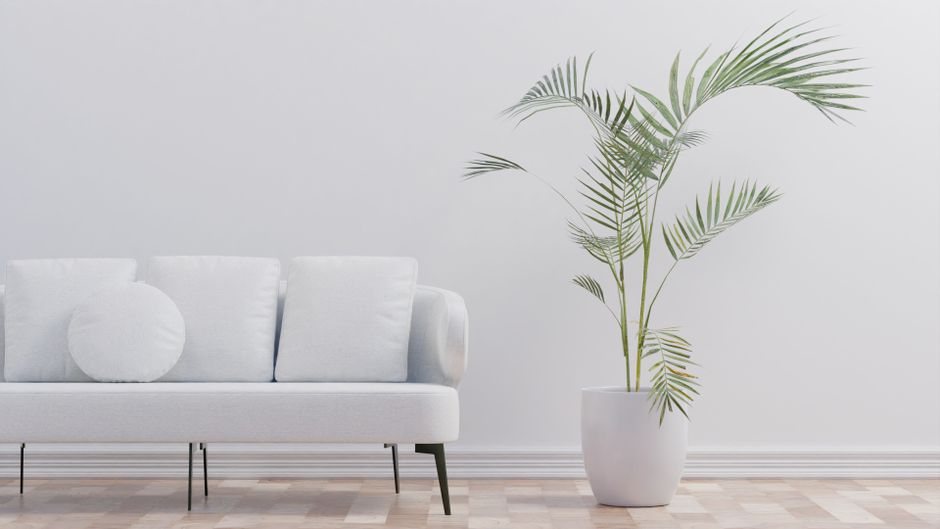
At its core, biophilic design is about more than simply adding a few houseplants to a room. It is a comprehensive framework that draws on the research of thinkers like Erich Fromm, who identified the innate human passion for life, and Stephen Kellert, who codified the application of natural systems in architecture. When applied to small-space interior design, this approach emphasizes the strategic use of daylight, organic textures, and, most importantly, vegetation.
Minimalism, with its focus on simplicity and the reduction of excess, provides the perfect canvas for biophilic elements. By stripping away visual clutter, we allow the organic geometry of a living wall to become the focal point of a room. A modern biophilic interior design approach does not compete with the architecture; rather, it complements it by bringing a dynamic, breathing element into the home. Whether you are designing a biophilic interior design living room or a compact studio apartment, the vertical garden acts as a living piece of art that requires no frame and offers constant, evolving beauty.
Understanding Living Wall Systems
To successfully integrate a vertical garden into a small apartment, one must understand the various systems available. Selecting the right system is the difference between a thriving installation and a high-maintenance burden. Living walls are generally categorized into three primary types:
- Panel Systems: These consist of pre-vegetated panels that are modular and easy to install. They are ideal for those who want an immediate, lush look. These systems often include internal irrigation channels that distribute water evenly, making them highly efficient for interior spaces.
- Felt Systems: These utilize layers of synthetic or natural felt pockets to hold plants and their growing medium. They are lightweight and flexible, allowing them to be mounted on a variety of wall surfaces. Because they are porous, they offer excellent breathability for plant roots.
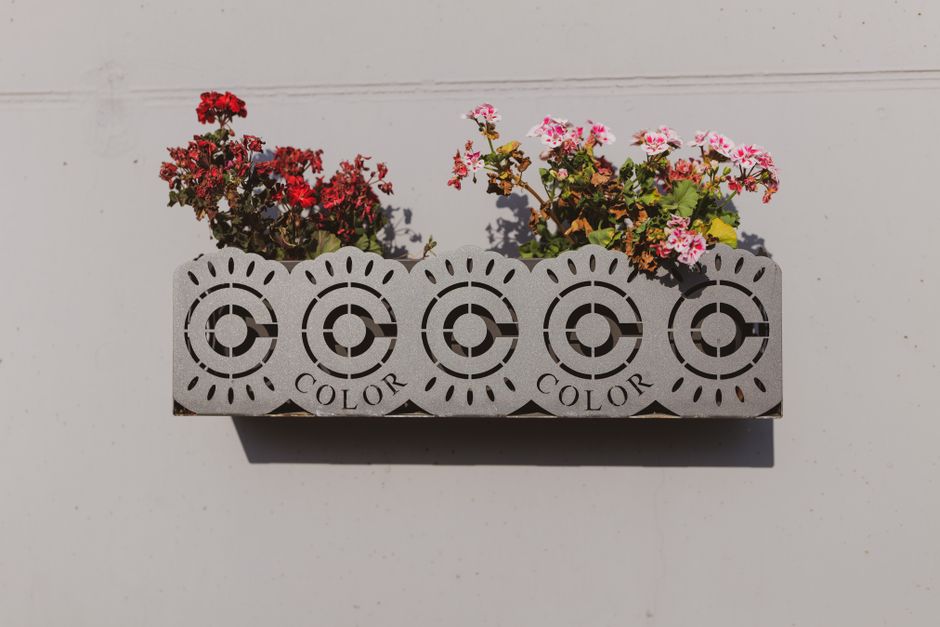
- Container and Trellis Systems: This is the most minimalist and approachable option. It involves mounting individual containers or a trellis structure to a wall. This allows for modularity, enabling the designer to swap out plants easily or rearrange the layout to suit changing light conditions or aesthetic preferences.
Strategic Implementation in Small Spaces
When working with limited floor space, the walls become your most valuable real estate. A vertical greening system allows you to maximize your square footage while reaping the functional benefits of biophilic design, such as improved indoor air quality and natural noise dampening.
Selecting the Right Location
Before installing a system, consider the environmental variables of your space. While it is tempting to place a living wall in a dark corner for dramatic effect, most tropical plants—which are preferred for indoor installations due to their ease of care—require consistent, indirect light. A wall that receives ambient light from a nearby window is ideal. If natural light is scarce, consider integrating full-spectrum LED grow lights, which can be discreetly hidden within the minimalist structure of the wall.
Plant Selection and Maintenance
For an effective biophilic interior design apartment project, the choice of vegetation is critical. You should prioritize species that are known for their resilience in indoor environments. Tropical varieties like Pothos, Philodendron, and various ferns are excellent candidates because they thrive in the consistent temperatures of modern homes and have relatively low moisture requirements compared to outdoor species. Avoid the urge to over-plant; a minimalist approach benefits from a curated selection of species that provide a cohesive color palette and texture.
Functional Benefits
Beyond the visual appeal, a well-designed living wall acts as a natural air filter, stripping volatile organic compounds (VOCs) from the air and increasing oxygen levels. Furthermore, the dense foliage of a living wall is an effective acoustic buffer, absorbing sound waves and reducing the echo often found in small, hard-surfaced urban apartments. This creates a sensory-rich environment that promotes the calm and focus associated with the “blue mind” or natural meditative states.
Comparison of Living Wall Systems for Residential Use
| System Type | Best For | Maintenance Level | Visual Impact |
|---|---|---|---|
| Panel System | Large, feature walls | Moderate | High (Lush, uniform) |
| Felt System | Curved or unique wall shapes | Moderate | Medium (Organic, soft) |
| Container System | DIYers and tight budgets | Low | Customizable (Modular) |
Frequently Asked Questions
Can I install a living wall in a rental apartment?
Yes, absolutely. Many container and trellis systems are designed to be non-permanent. Using tension-mounted rods or modular standing frames allows you to create a vertical garden that does not require drilling into walls, making it a perfect solution for renters looking to incorporate biophilic design.
Do living walls cause water damage to indoor walls?
Modern professional systems include waterproof backing boards and moisture barriers that protect the underlying wall structure. If you are building a custom DIY system, always ensure there is a sealed barrier between the planting medium and the wall surface to prevent humidity buildup and water seepage.
How do I manage the water requirements for a vertical garden?
For small-scale installations, manual watering or simple gravity-fed drip systems are usually sufficient. For larger walls, automated irrigation systems with integrated reservoirs ensure that plants receive the exact amount of water needed without the risk of overwatering or leaking.
What if I don’t have a green thumb?
Start small. A single wall-mounted planter with a hardy, trailing plant like a Golden Pothos is a great introduction to biophilic design. As you gain confidence, you can expand your vertical garden by adding more units, effectively scaling your biophilic impact at your own pace.
Conclusion
Integrating living walls into small-space interior design is a powerful way to bridge the gap between urban living and our fundamental need for nature. By embracing the principles of biophilic minimalism, you can transform a cramped apartment into a vibrant, restorative sanctuary. Whether through a simple trellis system or a sophisticated modular panel, the act of bringing living, breathing greenery into your home elevates the space from a mere dwelling to a place of genuine well-being. As you explore these biophilic interior design examples, remember that the most successful installations are those that balance visual simplicity with the lush, complex beauty of the natural world. With careful planning and a commitment to plant health, your vertical garden will serve as a constant reminder that even in the heart of the city, nature is always within reach.