

For centuries, the human approach to architecture has been defined by a desire for separation. We build walls to keep the elements out and the interior environment climate-controlled, often treating the natural world as something that exists outside the city limits. However, as global populations increasingly concentrate in metropolitan hubs, this rigid boundary has proven detrimental to both local ecosystems and our own well-being. The emerging field of multispecies architecture challenges this paradigm, proposing that our cities should not be human-exclusive zones, but rather shared habitats. By integrating the needs of urban fauna and our own domestic pets into the structural fabric of our homes and neighborhoods, we can foster a more resilient, biodiverse, and mentally restorative urban experience.
The Evolution of the Built Environment
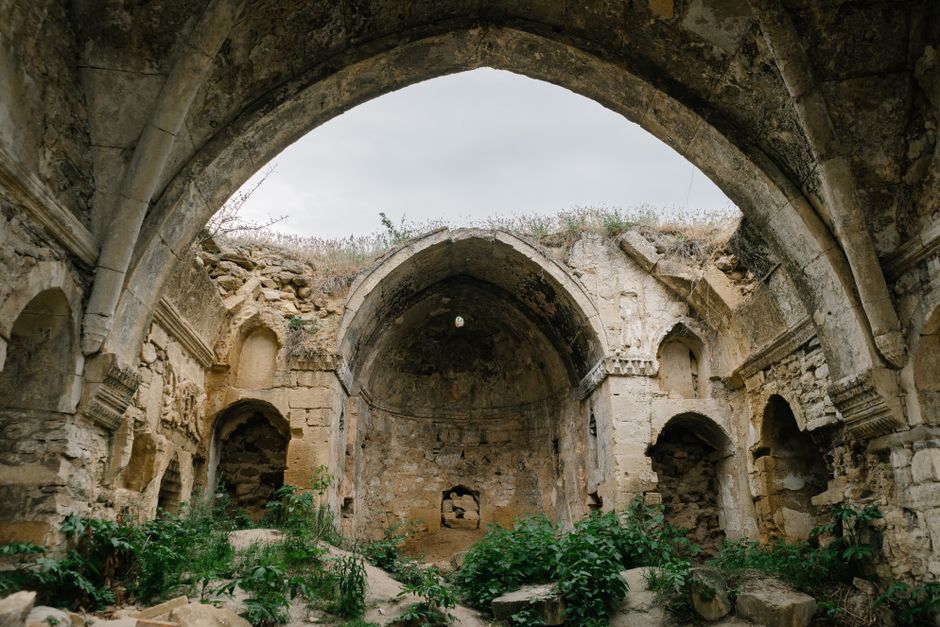
The traditional urban footprint has historically been an adversary to nature. As we expand our concrete networks, we fragment native habitats, creating islands of isolation that threaten local biodiversity. When we talk about designing for a multispecies future, we are not merely suggesting the addition of a few window boxes or a community park. Instead, we are advocating for a fundamental shift in how the built environment operates. This involves moving beyond the aesthetic application of green roofs or vertical gardens and toward a functional, operational framework where architecture actively participates in the ecological cycle.
From Aesthetic Greenery to Functional Infrastructure
Too often, green infrastructure is treated as a decorative afterthought—a way to make a building look sustainable without changing its core relationship with the surrounding ecosystem. True multispecies design requires a deeper integration. This means building structures that serve as surrogate habitats. For example, incorporating nesting cavities for native birds into the facade of an apartment complex or creating permeable surfaces that allow for insect migration transforms a static structure into a living, breathing part of the landscape. When we consider the needs of local wildlife during the initial planning phase, the urban environment ceases to be a barrier and becomes a corridor for life.
Designing for Coexistence: Beyond the Human Scale
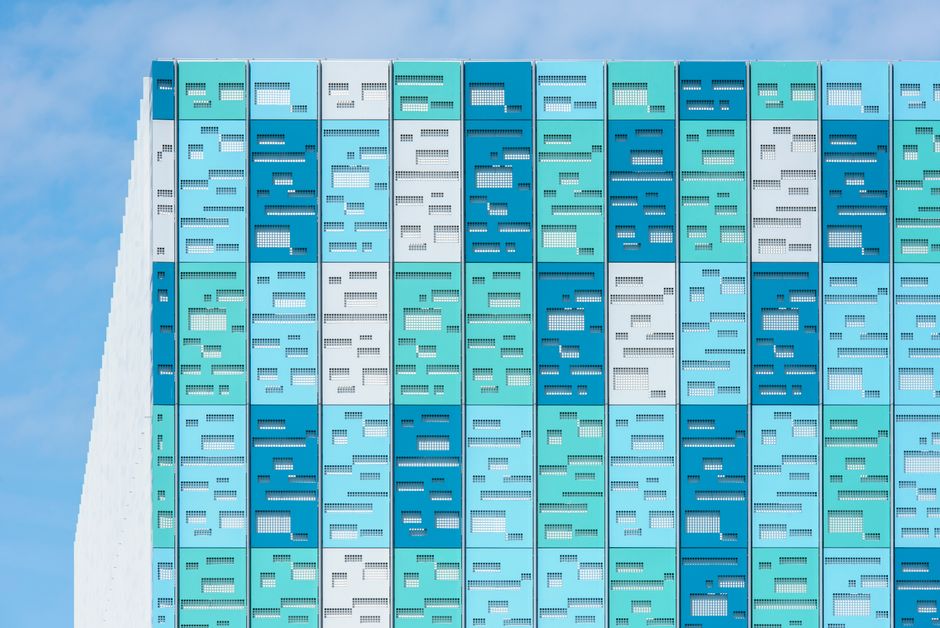
If we want to build cities that support more than just humans, we must expand our definition of the user. In the context of the pet-owning community, this is already a familiar concept. We modify our homes to accommodate the needs of our cats and dogs, creating indoor-outdoor flow, pet-friendly materials, and dedicated zones for play. Multispecies architecture takes this domestic instinct and scales it up to the city level. It asks: how can a public park serve both a person looking for a quiet place to read and a pollinator population in need of a refuge? Projects like the Multispecies Lounge demonstrate that a single space can fulfill multiple functions, acting as a site for human recreation while simultaneously providing essential habitat for birds and insects.
The Role of Pet-Inclusive Urbanism
Our pets are the most immediate bridge between the human experience and the natural world. Designing for pets—and by extension, the wildlife they share the neighborhood with—requires a focus on safety, accessibility, and environmental health. A pet-inclusive city is one that prioritizes non-toxic landscapes, safe transit routes, and water features that are accessible to both domestic animals and local fauna. When we design with these layers in mind, we create a more inclusive urban fabric that benefits the mental health of human residents, who gain a deeper, daily connection to the animal life around them.
Ecological Data as a Design Parameter
Effective multispecies design is not based on guesswork; it is grounded in rigorous ecological data. Architects and urban planners are increasingly utilizing research from bioscience to inform their projects. By understanding the specific needs of local species—such as their migration patterns, dietary requirements, and nesting preferences—designers can tailor the urban landscape to provide specific resources. This data-driven approach ensures that our interventions are not just well-intentioned, but actually effective at restoring lost biodiversity. Whether it is mimicking the micro-climates of a forest floor in a city courtyard or installing lighting that does not disorient nocturnal animals, these design parameters are the key to successful coexistence.
Frequently Asked Questions
What exactly is multispecies architecture?
Multispecies architecture is a design philosophy that considers the needs of non-human inhabitants—such as local wildlife, birds, insects, and domestic pets—as essential components of the design process. Rather than building structures that exclude nature, this approach creates spaces that support and sustain multiple species alongside human residents.
How does this approach help human residents?
Living in a biodiverse environment has significant benefits for human health. Studies consistently show that proximity to nature and wildlife reduces stress, improves air quality, and fosters a greater sense of community. By designing for wildlife, we are effectively designing for a healthier, more vibrant living environment for people.
Can multispecies design be applied to existing buildings?
Yes, while it is most effective when integrated into the initial building phase, retrofitting is a major part of the solution. Adding green walls, nesting boxes, or even modifying existing windows to prevent bird strikes are all ways to incorporate multispecies principles into the current built environment.
Is this just about adding plants to buildings?
No. While plants are a component, the primary goal is to create functional habitat. This often involves structural changes, such as creating corridors for movement, providing shelter, and managing lighting and water to ensure they are safe for animal use. It is a shift from aesthetic greening to operational ecological support.
Conclusion
The future of our cities depends on our ability to move away from the idea of the city as a human-only fortress. By embracing a multispecies design philosophy, we acknowledge that our built environments are merely a subset of the larger natural world. Whether we are designing a high-rise, a public park, or a private residence, we have the opportunity to create spaces that support a diverse array of life. By integrating the needs of our pets and the local wildlife into our architectural blueprints, we can mitigate the damage caused by urban expansion and create a more harmonious, sustainable, and interconnected future for every inhabitant of the city, both human and animal.