
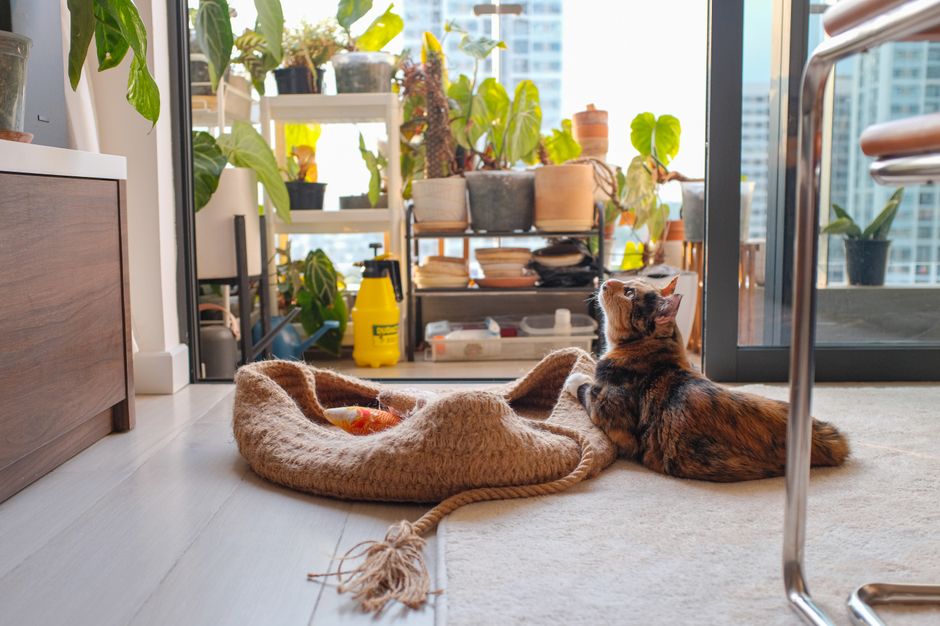
The modern urban landscape is rapidly evolving, shifting away from rigid, static living environments toward flexible, adaptable spaces that cater to the needs of both humans and their animal companions. As city dwellers increasingly prioritize both sustainability and pet ownership, the intersection of urban biodiversity and interior design has become a critical focal point for apartment living. Creating a home that respects the natural world while providing a high-quality environment for pets requires a shift in mindset—one that values [modular](https://t10family.com/en/modular-furniture-the-ultimate-solution-for-small-urban-spaces/)ity, durability, and a conscious approach to material selection. By integrating pet-friendly solutions with thoughtful design, we can transform compact urban apartments into thriving, harmonious ecosystems.
The Evolution of Urban Living: Biodiversity and Pet-Friendly Design
Urban biodiversity is often misunderstood as something confined to public parks or green roofs. However, our interior environments are an extension of the urban fabric. When we discuss designing with pets mind, we are effectively designing for a more diverse, interactive living space. A truly friendly urban apartment recognizes that pets are not just occupants, but active participants in the home. This requires a departure from traditional, fixed furniture layouts in favor of modular systems that can adapt as both the pet’s needs and the owner’s lifestyle evolve.
Why Modularity Matters in City Housing
The primary challenge of urban living is space optimization. Standard, bulky furniture is often the enemy of a functional apartment, blocking flow and limiting the room available for pets to move, play, and rest. Modular furniture, such as the Drew & Jonathan ModularOne, offers a sophisticated solution to this problem. Because these pieces are designed as individual, fully upholstered units, they allow for a fluid floor plan. You can configure them to create a cozy corner for a cat to perch or a wider, open seating area for a dog to lounge comfortably alongside its owner.
Beyond the layout, modularity provides a logistical advantage. Moving into high-rise buildings often involves narrow hallways, tight elevators, and restrictive doorways. Modular pieces can be disassembled and transported with ease, reducing the stress of moving for both the pet and the owner. This adaptability is the hallmark of modern, forward-thinking housing design.
Prioritizing Durability and Sustainability

The concept of biodiversity in the home also extends to the longevity of our possessions. A home that requires constant replacement of furniture due to wear and tear is not an environmentally conscious one. Selecting high-performance, durable materials is a key component of sustainable interior design. When you choose materials like 100% polypropylene performance fabrics—often found in advanced pet-friendly collections—you are investing in a product that resists moisture, stains, and the physical demands of high-traffic households.
The Role of Performance Fabrics
There is a common misconception that aesthetic beauty and pet-friendly durability are mutually exclusive. In reality, modern textile technology allows for beautiful, light-colored upholstery that can withstand the rigors of an active pet. Fabrics like LuxeGuard, for example, demonstrate that off-white or neutral palettes are no longer off-limits for pet owners. By focusing on materials that are easy to clean and inherently resistant to heavy wear, we reduce the need for harsh cleaning chemicals, thereby contributing to a healthier indoor biodiversity and a safer living environment for our pets.
Designing a Multi-Species Sanctuary
To truly design with pets mind, we must consider the sensory experience of our animal companions. Urban apartments can be high-stress environments, and the furniture we choose should act as a stabilizing anchor. A modular sectional that offers stable, welted track arms and firm, button-tufted cushions provides a sense of security and structure. When a pet feels that their environment is stable and comfortable, they are less likely to engage in destructive behaviors, creating a more harmonious living arrangement.
Furthermore, the ability to rearrange a room keeps the environment mentally stimulating for pets. Rotating the position of modular pieces can create new “lookout” spots near windows or different sunny patches for afternoon naps. This keeps the home dynamic, preventing the stagnation that often occurs in static, traditional apartment layouts.
Frequently Asked Questions
How to create a pet friendly home?
Creating a pet-friendly home involves balancing your aesthetic preferences with the functional realities of living with animals. Start by selecting furniture with durable, stain-resistant, and easy-to-clean performance fabrics. Incorporate modular pieces that can be easily rearranged to provide your pet with optimal play and rest zones. Ensure that your layout allows for clear traffic paths so your pet can navigate the space without knocking into fragile items. Finally, prioritize air quality by using pet-safe cleaning products and ensuring proper ventilation, which helps maintain a healthy indoor environment for all inhabitants.
Is this 3-piece sectional suitable for a small urban apartment?
Yes, this sectional is an excellent fit for smaller living spaces or urban apartments. With a width of 106.5 inches, it provides generous seating without overwhelming a room. Furthermore, the modular design is a significant advantage for apartment dwellers, as the individual pieces are much easier to navigate through narrow hallways, elevators, and doorways than a standard, bulky three-seat sofa.
Is off-white fabric a practical choice for a household with kids or pets?
While off-white is a light color, this sectional is upholstered in LuxeGuard performance fabric, made from 100% polypropylene. Polypropylene is highly regarded in the furniture industry for its inherent resistance to moisture, stains, and heavy wear. This specialized fabric allows you to enjoy a bright, clean aesthetic while providing the durability needed for high-traffic family rooms and pet-friendly homes.
What are the benefits of a modular sectional for my living room layout?
This modular sectional offers exceptional flexibility because each individual piece is upholstered on all sides. Unlike traditional sectionals that must stay in one fixed position, these pieces can be configured to fit your room’s specific shape or even be used as standalone chairs. This is an ideal solution for homeowners who enjoy rearranging their space or those who anticipate moving to homes with different floor plans in the future.
Conclusion: The Future of Urban Coexistence
The future of urban living lies in our ability to design spaces that are as resilient as they are beautiful. By embracing modular, high-performance furniture and keeping the needs of our pets at the forefront of our design decisions, we create homes that are not only friendly to our animal companions but also more sustainable and versatile for our own lives. As we continue to refine our approach to apartment living, let us remember that the best spaces are those that evolve alongside us, fostering a sense of comfort, connection, and harmony for every member of the household, regardless of the species.