

The modern home is no longer just a space for humans; it has evolved into a sanctuary for every member of the family, including our four-legged companions. As the lines between functional living and animal welfare blur, the shift toward pet-centric interior design has moved from a niche concept to a sophisticated standard. Unlike traditional pet-friendly trends that merely prioritize durability, a truly pet-centric approach integrates the specific behavioral needs and physical comfort of animals directly into the architectural layout of the home. By thoughtfully planning your living space, you can create an environment that honors your aesthetic vision while significantly enhancing the quality of life for your pets.
The Philosophy of Pet-Centric Living
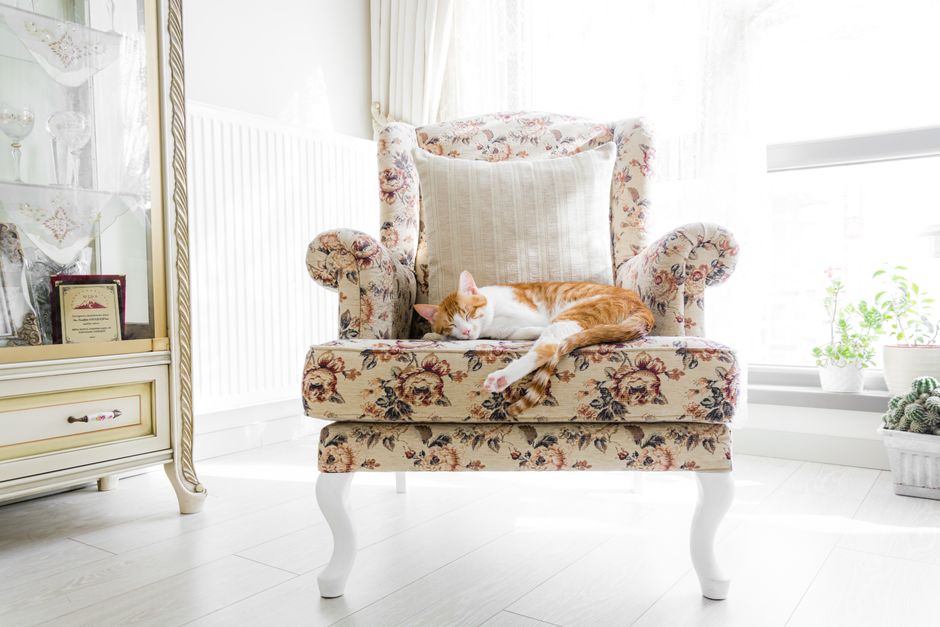
To move beyond the basic idea of pet-friendly modifications, one must adopt a pet-centric mindset. This involves viewing your home through the eyes—and paws—of your animal. It is about anticipating their movement patterns, their desire for security, and their need for environmental enrichment. When we design with these elements in mind, we reduce household stress for both the pet and the owner, creating a harmonious ecosystem where style and function coexist seamlessly.
Material Selection and Durability
The foundation of any successful interior is the selection of materials that can withstand the realities of pet ownership. Pet-centric design emphasizes the use of performance fabrics and non-toxic finishes that resist the wear and tear caused by claws and shedding. When choosing textiles, prioritize tightly woven materials that prevent snagging and facilitate easy cleaning. Performance velvets, heavy-duty linens, and synthetic leathers are excellent choices that maintain a luxury aesthetic while offering the resilience required for high-traffic homes.
Vertical Enrichment and Spatial Flow
In smaller living environments, horizontal floor space is a premium commodity. Utilizing vertical space is a primary strategy for increasing pet enrichment, particularly for cats. By incorporating cat shelving, wall-mounted walkways, or integrated climbing structures, you provide your pets with an elevated vantage point. This not only satisfies their instinctual need to survey their territory but also prevents the clutter of bulky floor-based furniture. This approach keeps the floor clear for human movement while ensuring the home feels expansive and engaging for the animal.
Strategic Integration of Pet Amenities
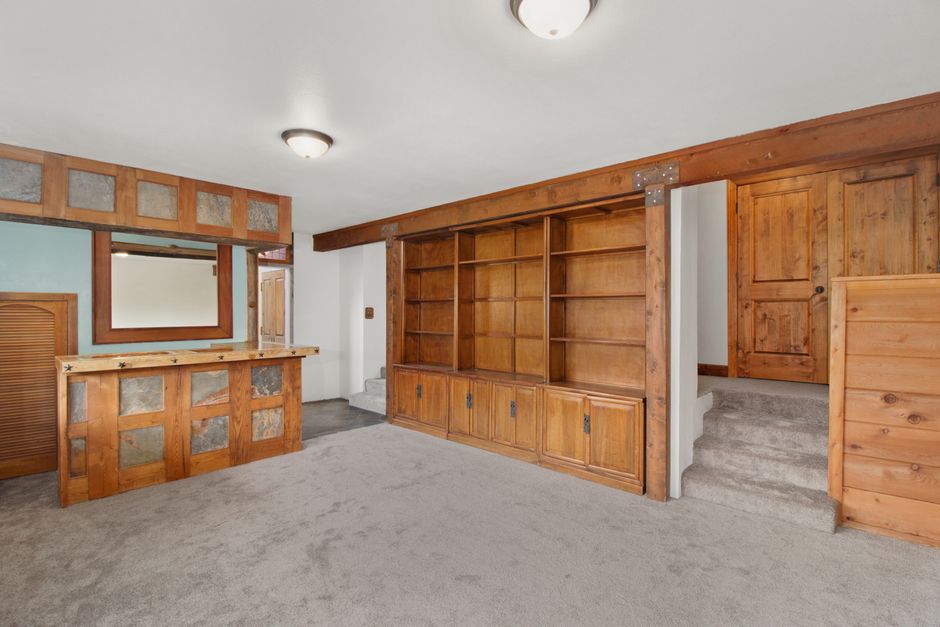
A home that feels truly designed for pets avoids the look of afterthought additions. Instead of placing plastic bowls or standard beds in the middle of a room, consider built-in solutions that blend with your cabinetry and furniture.
Hidden Feeding Stations
Feeding areas are often the most visually disruptive element in a room. To maintain a clean, organized aesthetic, consider integrating feeding stations into existing kitchen islands or lower cabinetry. A pull-out drawer can house stainless steel bowls, keeping water and food off the floor and out of the primary walkway. This keeps the space tidy and prevents accidental spills, creating a dedicated, quiet zone for your pet to eat without interference.
Customized Rest and Recovery Zones
Beds are essential for animal comfort, but they do not have to be an eyesore. Designers are increasingly creating custom nooks that fit seamlessly into the home. Think of built-in bench seating with a dedicated cutout for a dog bed, or under-stair enclosures that provide a cozy, den-like retreat for anxious pets. These spaces provide a sense of security and ownership for the animal while preserving the visual integrity of your interior design scheme.
Flooring Considerations for Longevity
Your choice of flooring is arguably the most critical decision in a pet-centric home. It must balance slip resistance, scratch resistance, and ease of maintenance. The following table provides a quick reference for common flooring types:
| Flooring Type | Pet Suitability | Key Advantage |
|---|---|---|
| Luxury Vinyl Plank (LVP) | High | Waterproof and highly scratch-resistant. |
| Engineered Hardwood | Medium | Warmth and aesthetic appeal, but requires scratch-resistant finish. |
| Ceramic/Porcelain Tile | High | Cool underfoot and easy to sanitize. |
| Wall-to-Wall Carpet | Low | Difficult to clean and prone to trapping dander and odors. |
Frequently Asked Questions
What is the 3-5-7 rule in interior design?
While often discussed in the context of pet adoption, the 3-3-3 rule is more common in animal welfare. However, in interior design, a variation of the 3-5-7 rule typically refers to the rule of odd numbers. It suggests that objects arranged in odd numbers—groups of three, five, or seven—are more visually appealing and balanced than even numbers. In a pet-centric home, you might apply this by grouping three decorative wall-mounted shelves for a cat, creating a balanced and intentional look that serves both aesthetic and functional purposes.
What animal is best for depression?
While the choice of a companion animal is highly personal, dogs and cats are most frequently cited for their positive impact on mental health. Dogs encourage regular physical activity and social interaction, which can be beneficial for those struggling with depression. Cats provide a calming, low-maintenance presence that can help reduce anxiety. Ultimately, the best animal is one that matches your lifestyle, energy level, and living situation, ensuring that the human-animal bond is supportive rather than stressful.
What are the four types of interior design?
Interior design is vast, but it is often categorized into four broad pillars: Traditional, Modern, Transitional, and Contemporary. Traditional design emphasizes history and symmetry; Modern design focuses on simplicity and function; Transitional design blends traditional comfort with modern lines; and Contemporary design focuses on the current moment, prioritizing open spaces and natural light. Pet-centric design can be integrated into any of these styles by focusing on the underlying principles of durability and enrichment.
What is the best type of flooring if you have pets?
The best flooring for pets is generally Luxury Vinyl Plank (LVP) or high-quality porcelain tile. LVP offers the look of wood with superior resistance to scratches and moisture, making it ideal for homes with active dogs. Porcelain tile is an excellent choice for warmer climates, providing a cool, durable surface that is impervious to accidents and easy to deep clean. Avoid high-pile carpets, which can harbor allergens and are difficult to maintain in a home with shedding pets.
Conclusion
Designing a home that accommodates animal comfort does not require compromising on style or sophistication. By prioritizing durable materials, integrating functional zones like feeding stations and pet-specific nooks, and utilizing vertical space, you create a home that is truly pet-centric. This thoughtful approach ensures that every member of the household, regardless of whether they walk on two legs or four, feels at home in their environment. When we align our interior design choices with the natural behaviors and needs of our pets, we build more than just a house; we build a sanctuary that fosters long-term happiness, health, and harmony for the entire family.