

The Longevity Kitchen: A Biohacking Approach to Nutrition
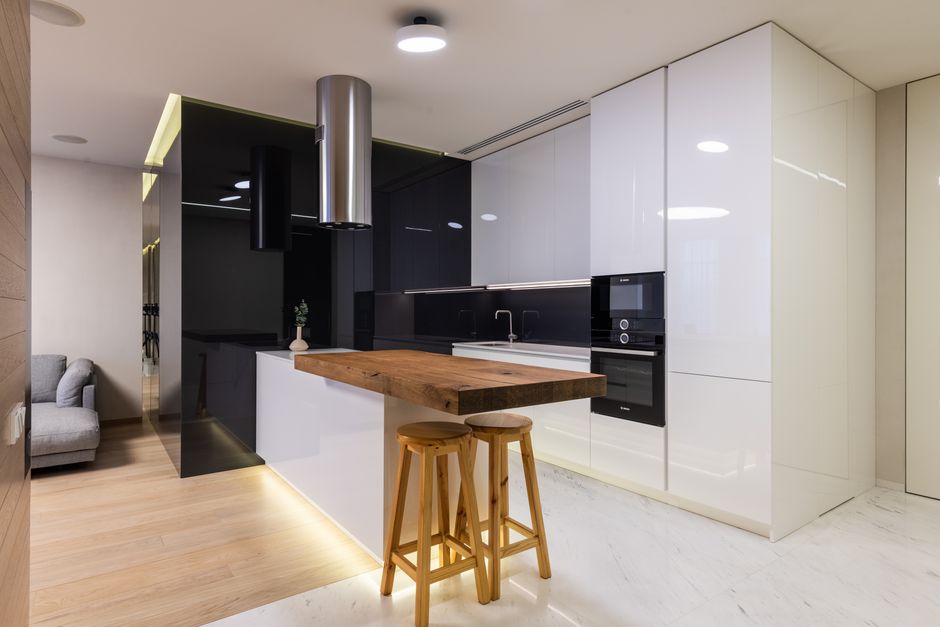
The modern pursuit of wellness has evolved beyond simple calorie counting toward a data-driven methodology known as biohacking. At the intersection of nutritional science and cellular biology lies the Longevity Kitchen—a strategic framework for meal preparation designed to optimize mitochondrial function, regulate insulin, and promote systemic cellular repair. Rather than adhering to rigid trends, a longevity-focused diet leverages biological feedback to create a sustainable roadmap for extending your health span. By integrating nutrient density, intermittent fasting, and glycemic control, you can transform your kitchen into a laboratory for human performance.
The Foundations of the Longevity Kitchen
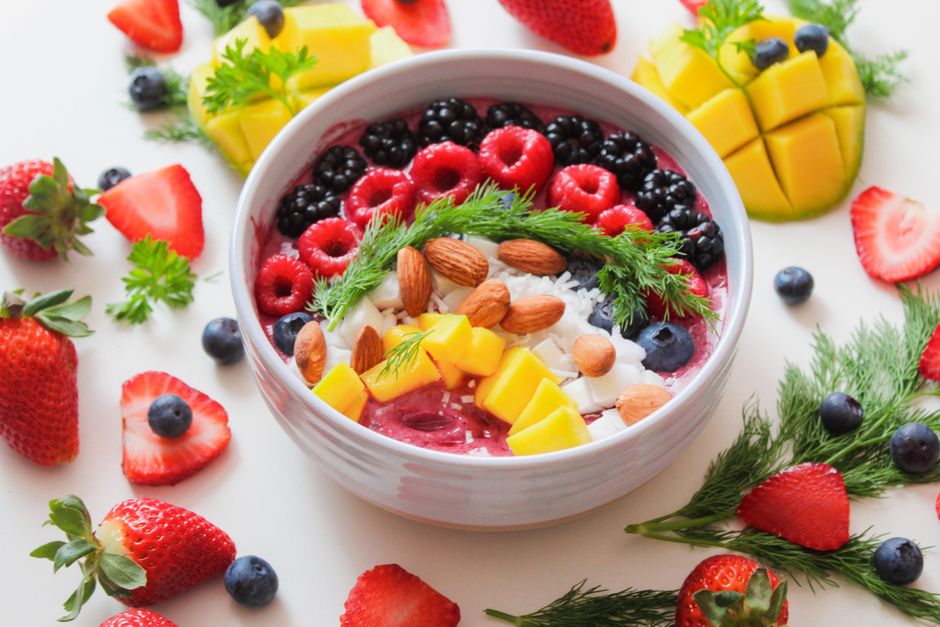
To understand the core of a biohacking diet, one must first focus on the primary goal: biological optimization. Unlike conventional dieting, which often centers on weight loss, biohacking for longevity prioritizes metabolic flexibility and the reduction of systemic inflammation. The Longevity Kitchen operates on the premise that food acts as biological information, signaling your genes to either promote inflammatory pathways or initiate protective cellular maintenance.
Nutrient Density and Mitochondrial Health
Mitochondria serve as the powerhouses of your cells; their efficiency is the primary determinant of your energy levels and the rate at which you age. A biohacking approach emphasizes foods rich in polyphenols and antioxidants, which act as signaling molecules to support mitochondrial biogenesis. To ensure a diverse intake of phytonutrients, focus on a “spectrum of color” in your meals, incorporating dark leafy greens, berries, and cruciferous vegetables to protect against oxidative stress.
Glycemic Control and Insulin Sensitivity
High blood sugar and frequent insulin spikes are significant drivers of cellular aging. Managing your glycemic response is a cornerstone of an effective biohacking routine. This involves two key strategies:
- Prioritizing low-glycemic index foods.
- Strategic food sequencing: consuming fiber and healthy fats before carbohydrates to blunt the glucose response.
By stabilizing blood sugar, you reduce the glycation of proteins, a damaging process that degrades collagen and accelerates tissue aging.
Strategic Meal Prep: The 7-Day Blueprint
A structured approach to meal preparation is essential for maintaining consistency. A 7-day biohacking diet is not about deprivation, but rather intentional selection to provide the body with necessary building blocks while minimizing metabolic load.
| Component | Primary Goal | Key Ingredients |
|---|---|---|
| Healthy Fats | Hormonal balance and satiety | Avocado, extra virgin olive oil, walnuts |
| Plant-Forward Proteins | Cellular repair without mTOR overactivation | Lentils, chickpeas, wild-caught fatty fish |
| Complex Carbohydrates | Sustained energy and gut health | Quinoa, sweet potatoes, fermented vegetables |
| Micronutrient Boosters | Antioxidant support | Turmeric, ginger, cacao, berries |
Adapting the Diet for Individual Needs
While core principles remain consistent, a biohacking diet for women may require adjustments to support hormonal health. Female physiology often responds differently to aggressive fasting protocols; cycle-syncing nutrients—such as increasing magnesium-rich foods during the luteal phase—can be a powerful biohack. Men may find that extended fasting windows and higher protein intake support muscle maintenance more effectively. Always monitor biofeedback, such as sleep quality and resting heart rate, to adjust your intake.
Advanced Interventions: Supplements and Treatments
Whole foods remain the foundation, but biohacking supplements can bridge the gap when lifestyle factors like stress or travel interfere with nutrition. Common additions include NAD+ precursors for DNA repair, omega-3 fatty acids for inflammation, and adaptogens like ashwagandha to modulate cortisol. However, these should never replace a high-quality, whole-food-based diet.
Integrating Hormetic Stressors
The Longevity Kitchen is most effective when paired with treatments that enhance metabolic function. Techniques like cold exposure or sauna therapy can amplify autophagy—the body’s cellular cleaning process—triggered by intermittent fasting. Combining these physical stressors with a nutrient-dense diet creates a hormetic effect, a mild stressor that forces the body to become more resilient over time.
Frequently Asked Questions
Can biohacking be expensive?
While high-tech gadgets carry a price tag, the most effective biohacks—intermittent fasting, prioritizing whole foods, and improving sleep—are essentially free. The Longevity Kitchen is about making better choices at the grocery store.
How do I know if my diet is working?
Success is measured through data. Regular blood panels, continuous glucose monitoring (CGM), and tracking subjective markers like cognitive clarity and exercise recovery provide the objective feedback necessary to refine your approach.
Is a plant-based diet necessary?
Strict veganism is not required. Many longevity experts advocate for a pescatarian-style diet, which provides essential omega-3s and high-quality protein while maintaining the protective benefits of a plant-rich intake.
Are supplements safe for everyone?
Because biohacking is inherently individual, consult a healthcare professional before starting a regimen. Genetic testing and blood work can help determine which supplements align with your specific biological profile.
Conclusion
The Longevity Kitchen is a long-term strategy for biological mastery rather than a restrictive regime. By viewing nutrition through the lens of biohacking, you move away from fad diets toward a framework grounded in physiological reality. Start by auditing your pantry for nutrient-dense staples and use your body’s feedback to guide your evolution toward a more vibrant life.