

The modern professional landscape has undergone a seismic shift, transforming not just where we work, but how we integrate our personal lives with our professional responsibilities. For the 70% of U.S. households that own a pet, the boundary between home and office is no longer a rigid line, but a fluid space where feline companions and canine coworkers often make guest appearances on video calls. As companies navigate the return to the office and the permanence of hybrid models, the concept of the pet-tech workplace has emerged as a vital strategy for fostering employee well-being, morale, and long-term retention.
The Evolution of the Pet-Friendly Culture

For many professionals, the pandemic-era shift to remote work redefined the bond between humans and their animal companions. Pets moved from being part of our evening routine to being constant, silent partners during our most productive hours. Research indicates that this shift was not merely a temporary adjustment; it fundamentally altered how employees view their work-life balance. Today, the presence of a pet is often a primary factor in an employee’s mental health and their decision-making process regarding job satisfaction.
Data from Banfield Pet Hospital underscores the profound impact of pet-inclusive policies. An overwhelming 88% of employees in pet-friendly workplaces report improved morale, while 86% cite a significant reduction in work-related stress. Furthermore, 82% of these employees express higher levels of company loyalty. These statistics suggest that supporting the human-animal bond is not just a perk—it is a core business strategy that directly correlates with a more engaged and committed workforce.
Bridging the Gap: From Remote to Hybrid
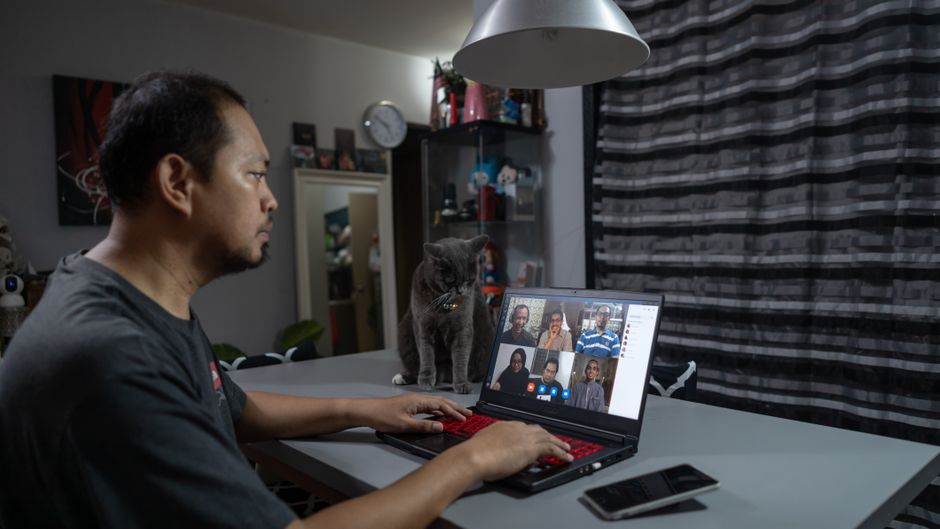
As organizations encourage staff to return to the office, they are encountering a new hurdle: separation anxiety. A recent study revealed that 69% of pet owners would prefer to work remotely full-time specifically to remain with their pets. Furthermore, 45% of pet parents report experiencing their own anxiety regarding the return to the office, fearing their pets will struggle with loneliness. To mitigate this, forward-thinking companies are recognizing that accommodating pets is essential to facilitating a successful return-to-office transition.
Strategies for the Modern Pet-Owner
Whether you are working from a home office or navigating a hybrid schedule, there are actionable ways to maintain productivity while ensuring your pet remains happy and healthy. The key is establishing a routine that respects both your deadlines and your pet’s needs.
- Designate a Pet-Friendly Workspace: If working from home, create a specific zone for your pet near your desk. This provides them with a sense of security and allows you to monitor them without constant distraction.
- Leverage Walking Meetings: If your role involves frequent phone calls, utilize this time to take your dog for a walk. This practice provides exercise for your pet and can significantly boost your own cognitive function and creativity.
- Use Technology to Your Advantage: Many digital collaboration tools now offer features designed for the remote worker on the go. Use status indicators to signal when you are stepping away for a pet-related break and leverage noise-suppression software to keep background sounds from interfering with your professional meetings.
- Advocate for Office Policies: If your company is transitioning to in-office work, discuss the potential for pet-friendly days or designated pet zones. Demonstrating how these policies improve employee retention can be a powerful tool for change.
The Business Case for Pet-Inclusive Policies
Beyond the immediate joy of having a companion nearby, pet-friendly policies serve as a competitive advantage in the war for talent. According to data from the “Future of Work” reports, 58% of pet parents would consider leaving their current job for a more dog-friendly employer. When companies offer benefits such as flexible time off for veterinary appointments, pet insurance, or office environments that welcome pets, they are signaling to their employees that they value the “whole person.”
This empathy-driven approach to management is critical in an era where employee loyalty can be fragile. By acknowledging that pets are family, business leaders create a culture of trust and support. This environment facilitates the release of oxytocin—the “love hormone”—which has been shown to lower stress levels and foster better social connections among colleagues, regardless of whether they are pet owners themselves.
FAQ: Common Questions About Workplace Pets
What is the 3-3-3 rule for pets?
The 3-3-3 rule is a general guideline for helping a newly adopted pet adjust to a new home. The first three days are for decompressing, during which the pet may be overwhelmed and shy. The first three weeks are for establishing a routine and beginning to show their true personality. The first three months are when the pet starts to feel truly at home and develops a deep sense of security and trust with their new family.
What animal is best for anxiety and depression?
While individual preferences vary, dogs are frequently cited as the most effective animals for managing anxiety and depression. Their need for routine, physical activity, and their inherent ability to provide unconditional emotional support make them excellent companions. However, cats and even smaller animals can also provide significant comfort and companionship, helping to ground individuals during moments of high stress.
Has Trump ever had a pet?
Donald Trump is the first U.S. president in over a century to not have a pet during his time in the White House. While he has been associated with various animals in his private life, he did not bring a dog or cat into the presidential residence, citing a lack of time as the primary reason.
Does OSHA allow dogs in the workplace?
OSHA (the Occupational Safety and Health Administration) does not have specific regulations prohibiting pets in the workplace. However, they do mandate that employers maintain a safe and healthy work environment. This means that if a pet is present, it must not pose a safety hazard (such as tripping risks or aggressive behavior) or a health risk (such as triggering severe allergies or sanitation issues). Employers are generally encouraged to set their own clear policies regarding pets to ensure compliance with general safety standards.
Conclusion
The integration of pets into our professional lives represents more than just a passing trend; it is a reflection of a broader cultural shift toward prioritizing mental health and holistic well-being. As companies continue to evolve, those that embrace the pet-tech workplace will likely find themselves ahead of the curve, attracting top talent who value a culture of empathy and flexibility. By creating environments—both physical and digital—that accommodate the unique needs of pet owners, businesses can unlock higher levels of productivity, morale, and long-term loyalty. Ultimately, when we make space for our pets, we are making space for a more human, connected, and supportive way of working.