
The Rise of Micro-Schooling: A New Paradigm in Education
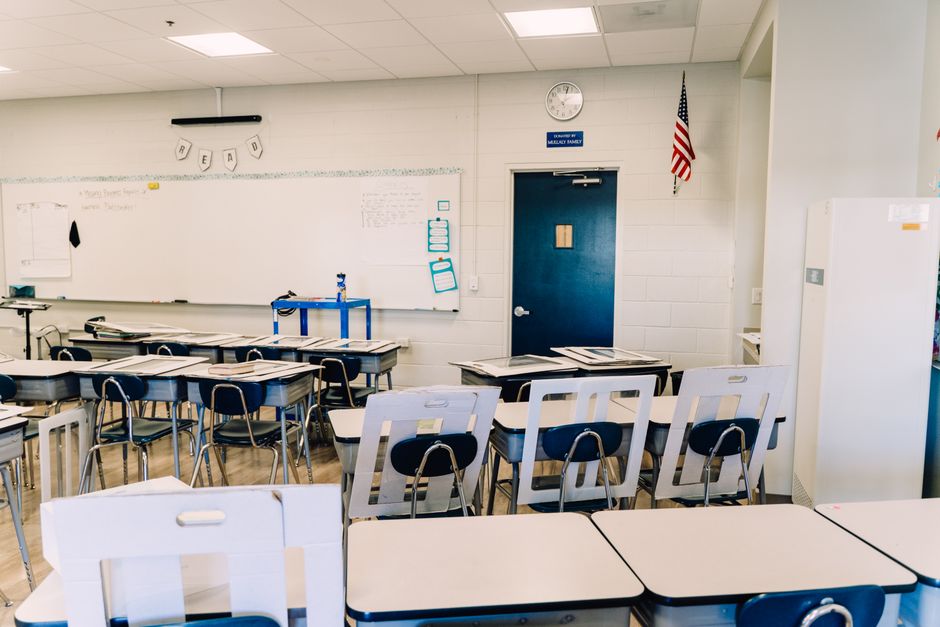
For decades, the U.S. educational landscape has been defined by large, centralized institutions governed by rigid, one-size-fits-all mandates. However, a quiet revolution is unfolding in suburban living rooms and community centers. The micro-schooling movement represents a fundamental shift in how families approach child development, blending the autonomy of homeschooling with the social structure of a classroom to provide a highly personalized alternative to the conventional system.
Why Families Are Choosing Micro-Schools
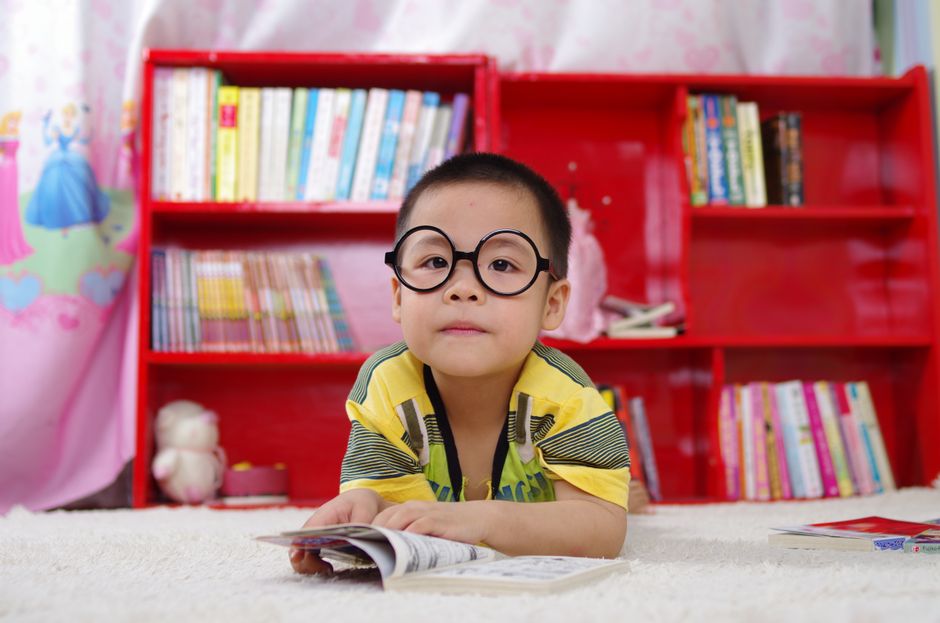
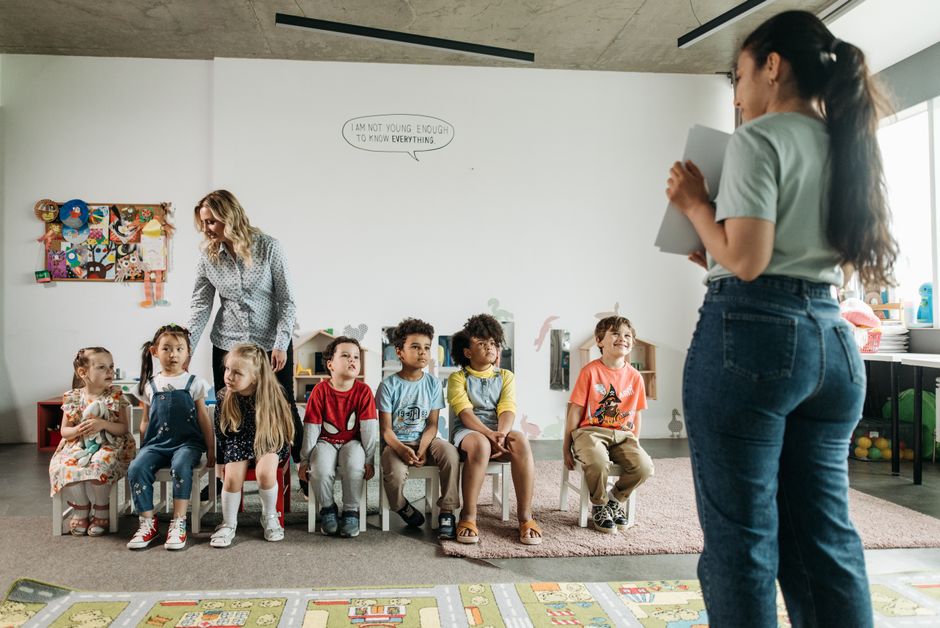
The decision to move away from traditional schooling is often driven by a desire for greater agency and customization. Large institutions frequently struggle to accommodate neurodiversity or gifted students due to the constraints of standardized testing and facility-wide policies. Micro-schools bypass this bureaucratic inertia, offering several distinct advantages:
- Individualized Attention: With small student-to-teacher ratios, instructors can tailor the pace of learning to ensure students are neither bored nor overwhelmed.
- Agile Curriculum: These pods can pivot quickly to match the unique interests and learning styles of the children involved.
- Hybrid Flexibility: Many pods offer flexible schedules, allowing families to balance rigorous academic study with extracurricular interests, travel, or family time.
- Community Mentorship: Multi-age groupings foster collaborative problem-solving and mentorship, breaking away from the rigid social hierarchies found in traditional schools.
Comparing Educational Models
Understanding the structural differences between traditional schooling and the micro-school model is essential for parents evaluating their options.
| Feature | Traditional Schools | Micro-schools / Pods |
|---|---|---|
| Class Size | Large (20-30+ students) | Small (5-12 students) |
| Curriculum | Standardized/State-mandated | Customized/Flexible |
| Administrative Structure | Hierarchical/Bureaucratic | Flat/Community-led |
| Cost | Tax-funded or High Tuition | Variable/Community-shared costs |
| Innovation | Slow to change | Highly adaptive |
Managing Costs and Resources
A common misconception is that alternative education is prohibitively expensive. In reality, micro-schools are often more accessible than traditional private schools because they eliminate the “massive overhead” associated with facility debt, construction, and large administrative staffs. By pooling resources—such as hiring a single high-quality instructor or rotating teaching duties among parents—families create a self-sustaining educational ecosystem that is both financially efficient and community-focused.
Frequently Asked Questions
Is a micro-school the right choice for my child?
Micro-schools are ideal for families seeking a personalized, flexible approach. They are particularly effective for students who struggle in high-pressure, crowded environments. However, success in this model requires a higher level of parental commitment, as families must take an active role in planning and governance.
How does the micro-school model handle middle school complexity?
The transition to middle school (ages 11-13) can be challenging due to the increased complexity of subjects. Micro-schools mitigate this by providing a consistent, supportive social group and, in many cases, access to specialized instructors who can teach advanced curriculum requirements that a single parent might find difficult to cover alone.
Why is parent-teacher collaboration vital?
In a micro-school, the educational experience is a partnership rather than a transaction. Because the environment is small, communication is constant and transparent. This alignment ensures that values, teaching methods, and academic goals remain synchronized with the family’s specific priorities, leading to greater consistency for the student.
Conclusion
The micro-schooling movement is a response to a long-standing desire for more meaningful, personalized education. By opting for collaborative pods, parents are doing more than just choosing a school; they are actively shaping the future of their children’s development. As these innovative learning environments grow, they serve as a powerful reminder that education is not limited to the walls of a traditional schoolhouse.