
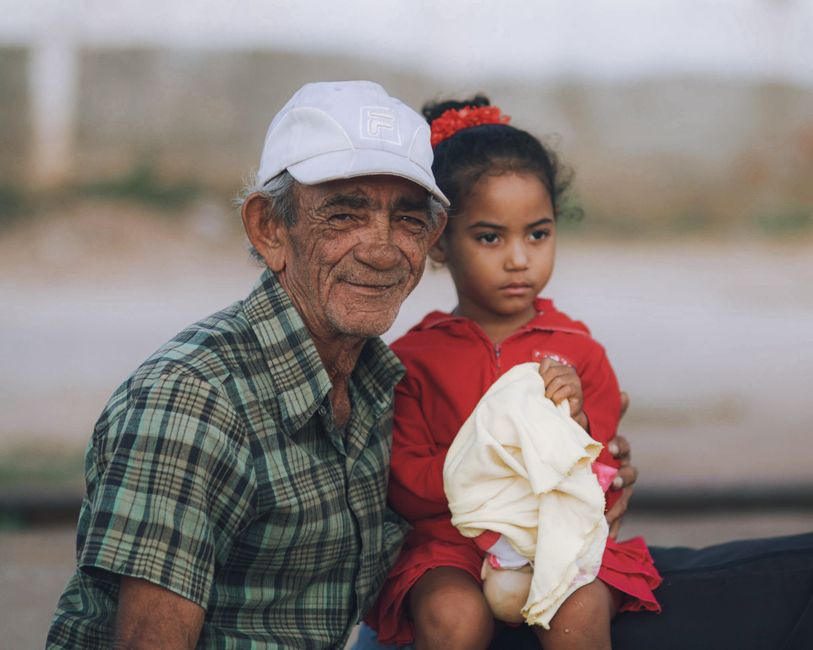
For millions of children across the globe, the concept of family has long outpaced the narrow definitions found in our legal codes. While traditional structures—defined strictly by blood or marriage—still dominate policy, the reality of modern caregiving is shifting toward a model of “chosen family” and extended support networks. Kinship care, once viewed primarily as an emergency alternative to the formal foster system, is now recognized as a vital, permanent, and evolving form of child-rearing. As we move toward a “Kinship Care 2.0” framework, the necessity for robust legal protections for those who step in to raise children—whether they are biological relatives or deeply bonded family friends—has never been more urgent.
The Evolution of Kinship Care
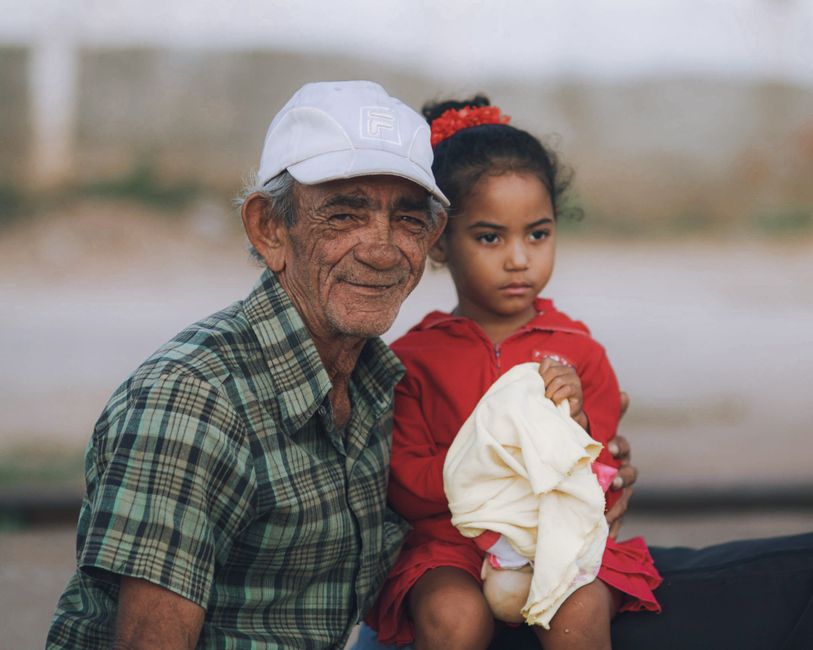
Kinship care refers to the situation where a child is raised by a grandparent, aunt, uncle, sibling, or a significant non-relative, such as a close family friend or mentor, when their parents are unable to do so. In the United States alone, approximately 2.7 million children are being raised in these arrangements. Historically, these caregivers have operated in a legal gray area, often managing the complex medical, educational, and emotional needs of children without the institutional support or legal standing afforded to traditional foster parents.
The movement toward Kinship Care 2.0 seeks to bridge this gap. Recent legislative developments, such as the Children’s Wellbeing and Schools Act in the UK, have begun to codify the definition of kinship care, ensuring that schools, hospitals, and local authorities recognize these caregivers as primary parental figures. This legal recognition is the first step in ensuring that the bond between a child and their chosen guardian is treated with the same weight as a biological one.
Kinship Care vs. Foster Care: Understanding the Distinction

A common point of confusion for families is the difference between kinship care and the formal foster care system. While both involve a child living outside of their parental home, the pathways and support structures differ significantly.
| Feature | Kinship Care | Formal Foster Care |
|---|---|---|
| Placement | Often informal or private | State-supervised |
| Legal Status | Varies (guardianship, informal, or custody) | State custody |
| Financial Support | Often limited or difficult to access | Stipends provided by the state |
| Primary Goal | Stability within a known network | Safety via state intervention |
In many cases, kinship caregivers operate outside the state foster system entirely. While this preserves the child’s connection to their culture and community, it often leaves the caregiver ineligible for the financial stipends and therapeutic services that professional foster parents receive. Kinship custody is often pursued through family courts, which can be a lengthy and expensive process, creating a barrier to the very stability the child requires.
The Necessity of Legal Protections for Chosen Family
The term “chosen family” describes individuals who share deep, family-like bonds without being related by blood or formal legal marriage. This concept, rooted in the LGBTQ+ community, is increasingly relevant to kinship care. When a child is placed with a mentor or a long-time family friend, the law often views this as a “stranger” placement rather than a familial one. This distinction can disqualify caregivers from essential benefits like family leave, bereavement leave, or the ability to make medical decisions for the child.
Expanding the legal definition of family is not merely a symbolic gesture; it is a pragmatic necessity. When caregivers have the legal standing to interact with schools and healthcare providers, the child experiences less friction in their daily life. Furthermore, policies like the “kinship local offer”—a mandate that local authorities explicitly outline the support available to these families—are essential for ensuring that caregivers are not left to navigate the system in isolation.
Moving Beyond Recognition to Tangible Support
Legal recognition in name alone is insufficient. For kinship care to be a sustainable, long-term solution for children, governments must invest in concrete resources. This includes:
- Financial Assistance: Bridging the gap between informal care and the costs of raising a child, including clothing, food, and housing.
- Paid Kinship Leave: Allowing workers to take time off to care for children in their custody without jeopardizing their employment.
- Therapeutic Services: Providing access to mental health support for children who have experienced the trauma of parental separation.
- Legal Advocacy: Simplifying the process of obtaining guardianship to avoid complex and costly court battles.
Navigating Kinship Care Requirements
The requirements for becoming a kinship caregiver vary significantly by state and region. In some jurisdictions, specifically for those navigating the formal foster system, kinship care requirements involve home studies, background checks, and safety inspections. However, for those in informal arrangements, the hurdles are often bureaucratic rather than regulatory. If you are seeking to formalize your role, it is essential to contact your local social services department or search for a Kinship Care phone number in your area to speak with a representative who can guide you through the specific laws in your jurisdiction, such as those governing Kinship Care WI or other regional programs.
Frequently Asked Questions
How much do you get paid for kinship care?
The financial support available depends entirely on whether the arrangement is formal (through the state foster system) or informal. Formal kinship caregivers may receive a monthly stipend similar to foster care payments. Informal caregivers, however, often do not receive direct payments from the state and may need to apply for general child-only welfare benefits or temporary assistance programs.
What are the downsides of kinship care?
The primary challenges include the lack of legal authority to make decisions for the child, the potential for strained relationships with biological parents, and the financial burden of raising a child on a fixed income. Many caregivers also report a lack of access to the same training and support networks that are readily available to licensed foster parents.
How much money do you get for kinship?
There is no universal rate. In many U.S. states, kinship caregivers who are licensed as foster parents receive a board payment that covers the child’s basic needs. If you are not a licensed foster parent, you may be eligible for Temporary Assistance for Needy Families (TANF) child-only grants, but these amounts vary widely by state and are often significantly lower than formal foster care stipends.
How long can a child stay in kinship care?
Kinship care is intended to be as long-term as the child requires. In many cases, it evolves from a temporary arrangement into a permanent one, such as legal guardianship or adoption. The goal is to provide the child with consistent, stable, and loving care throughout their childhood, regardless of how the legal arrangement is classified.
Conclusion
The shift toward Kinship Care 2.0 represents a maturing understanding of what it means to care for the next generation. As we continue to advocate for broader legal protections, it is vital to remember that the strength of these arrangements lies in the existing bonds between children and their caregivers. By formalizing these relationships, providing clear paths to financial and therapeutic support, and moving toward a more inclusive definition of family, we can ensure that every child—no matter who raises them—has the security and stability they need to thrive. The future of kinship care is not just about recognition; it is about providing the tangible, consistent support that families deserve.