
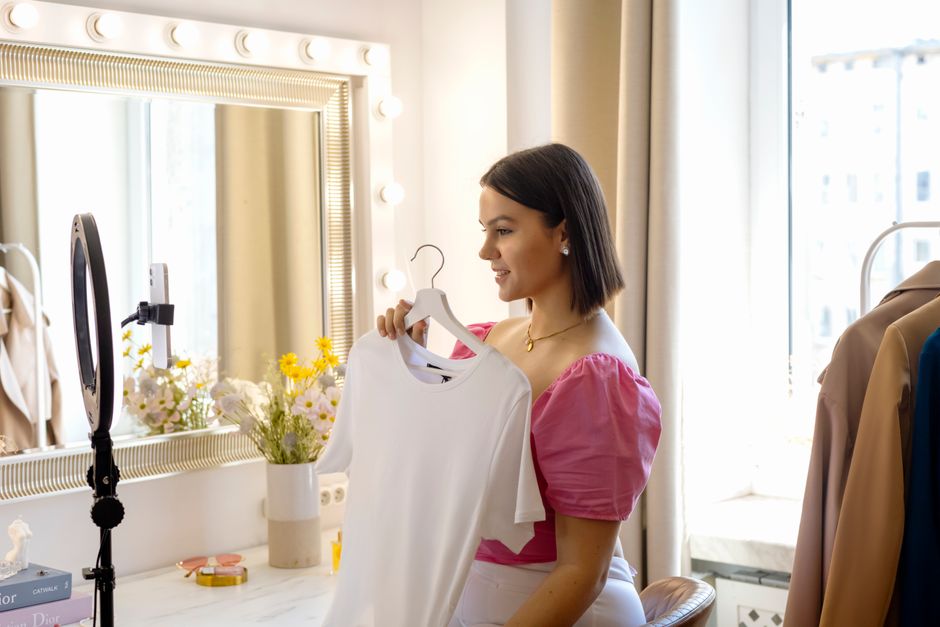
The intersection of technology and personal style has reached a pivotal moment. For decades, the fashion industry relied on static catalogs and physical storefronts, but the modern consumer now demands a more intuitive, data-driven approach to dressing. Enter the era of the digital twin, a sophisticated evolution in technology that is fundamentally changing how we curate, organize, and interact with our personal wardrobes. By creating a virtual mirror of our physical closets, we are moving away from the guesswork of daily styling and into a future defined by precision, sustainability, and AI-powered creativity.
The Mechanics of the Personal Digital Twin
At its core, a digital twin in fashion is a high-fidelity virtual representation of a physical asset. While the concept originated in industrial engineering—used to simulate the performance of complex machinery—its application in fashion is far more intimate. A digital twin of your wardrobe involves digitizing your physical garments, creating a database where every item has its own metadata, including brand, material, color, and purchase date.
This process begins with simple digitization. Through AI-powered apps, users capture images of their clothing, which are then processed by computer vision algorithms to remove backgrounds and categorize items. Once these items are stored in the cloud, the user possesses a comprehensive digital archive. This is not merely a digital catalog; it is a dynamic system that understands the relationship between garments, allowing the technology to suggest cohesive outfits based on weather, occasion, and personal style preferences.
From Static Images to Intelligent Simulations
The true power of digital twin technology lies in its ability to simulate real-world outcomes. Modern platforms do not just display your clothes; they provide a sandbox for experimentation. By leveraging 3D rendering and AI, these platforms can simulate how a garment drapes or fits on a user’s unique body type. This bridges the gap between seeing a product on a model and understanding how it will function within your existing collection. By simulating the fit and style of new potential purchases against your current inventory, you can determine if a new item will truly add value or simply clutter your closet.
Enhancing Consumer Behavior Through Data

The adoption of digital twins is driving a significant shift in consumer habits. By tracking items within a virtual environment, users gain granular insights into their own consumption patterns. One of the most impactful metrics available through these tools is the cost-per-wear calculation. By logging how often an item is styled and worn, users can see the long-term value of their investment pieces versus the hidden costs of impulse buys.
This data-driven approach encourages a more mindful relationship with fashion. When you can see the entirety of your wardrobe in a single interface, you are less likely to purchase redundant items. The technology acts as a personal stylist that reminds you of the hidden gems already hanging in your closet, effectively extending the lifespan of your clothing and promoting a more sustainable approach to consumption.
The Evolution of Virtual Try-Ons
Virtual try-on technology represents the most visible application of the digital twin ecosystem. By creating a twin of the user’s physical silhouette—often through augmented reality (AR) or body scanning—platforms allow for a high-accuracy preview of clothing. This reduces the uncertainty inherent in online shopping, a major pain point for the fashion industry that often leads to high return rates and environmental waste from shipping.
The integration of AR with personalized AI recommendations creates a seamless loop. A user can upload a photo, generate a digital avatar, and then “try on” items from a digital catalog. The AI analyzes the fit, color harmony, and style consistency, providing a comprehensive report on whether a garment complements the user’s current wardrobe. This level of personalization transforms shopping from a hit-or-miss activity into a strategic, calculated process.
Social Fashion and Collective Styling
Fashion is inherently social, and the development of digital twins has naturally extended into community-based platforms. Modern apps are no longer solitary tools; they are hubs for fashion enthusiasts to share their virtual wardrobes and styling ideas. This ecosystem allows users to see how others are styling the same pieces, providing a source of inspiration that is rooted in real, owned items rather than aspirational, unattainable editorial content.
These social networks act as a collective intelligence. When users share their digital twins, they contribute to a broader understanding of trends and garment versatility. It creates a collaborative environment where style is not dictated by top-down marketing but is instead built from the ground up by users who understand how to make the most of their individual collections.
Integration with the E-commerce Frontier
The final piece of the puzzle is the seamless integration between the digital twin environment and retail platforms. As AI-powered shopping assistants become more adept at understanding user preferences, the path to purchase is becoming shorter. When a user identifies a gap in their wardrobe—for instance, realizing they lack a versatile blazer—the system can suggest products that are not only stylish but also guaranteed to match at least five items already in the user’s digital closet.
This integration marks a shift in the role of the retailer. Brands that adopt this technology are no longer just selling products; they are providing solutions that fit into the user’s existing life. By connecting the digital twin directly to inventory, retailers can offer personalized shopping experiences that feel bespoke, increasing customer loyalty and satisfaction.
Frequently Asked Questions
What is the primary benefit of a digital twin for my wardrobe?
The primary benefit is organization and optimization. A digital twin allows you to view your entire wardrobe at a glance, helping you identify missing staples, track the cost-per-wear of your items, and experiment with new outfit combinations without having to physically try on every piece.
How secure is the data in these digital twin apps?
Most reputable fashion technology companies prioritize user privacy by employing encrypted, cloud-based storage. However, as with any digital service, it is recommended to review the privacy policy of the specific app to understand how your clothing data and images are being utilized and whether they are shared with third-party partners.
Do I need expensive equipment to create a digital twin?
No, you do not need specialized hardware. Most modern digital twin tools for fashion are designed to work with standard smartphone cameras. AI algorithms handle the complex task of background removal and item categorization, making the process accessible to anyone with a mobile device.
Will digital twins make physical shopping obsolete?
Digital twins are intended to complement, not replace, physical shopping. They act as a tool to make physical shopping more efficient by providing the shopper with a clear understanding of what they already own and what they actually need, ultimately leading to more intentional purchasing decisions.
Conclusion
The rise of digital twins in personal styling represents a fundamental shift in how we interact with our clothes. By leveraging technology to create a virtual mirror of our closets, we are gaining unprecedented control over our personal aesthetic and consumption habits. This digital transformation is not just about making fashion easier; it is about making it smarter, more sustainable, and deeply personal. As AI continues to evolve, the gap between our physical reality and our digital simulation will continue to close, promising a future where our wardrobes are as intelligent, organized, and creative as we are. The digital twin is no longer a futuristic concept—it is the new standard for the modern, conscious fashion enthusiast.