
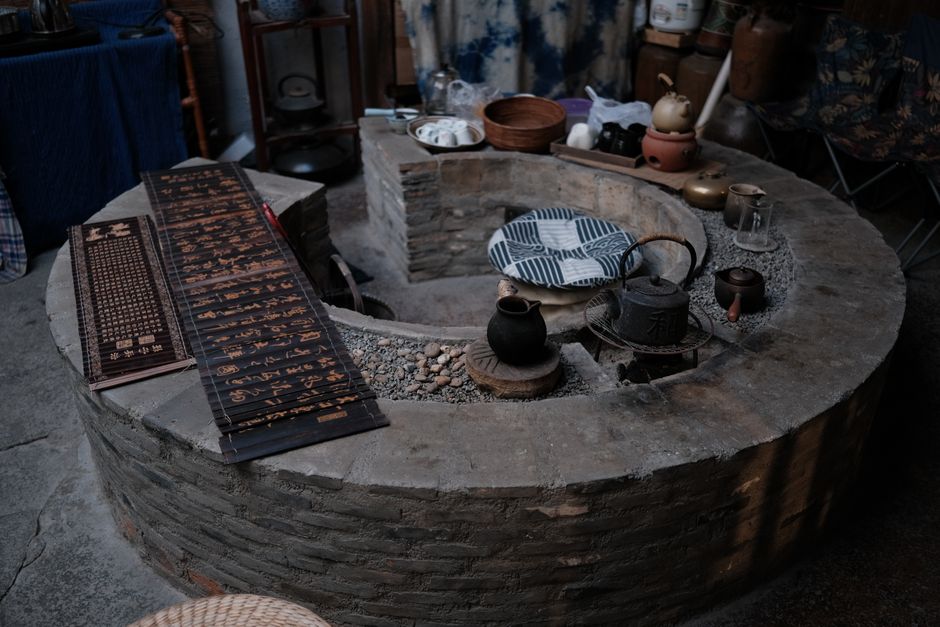
The modern culinary landscape is currently undergoing a fascinating transformation, one that bridges the chasm between Neolithic survival skills and Silicon Valley innovation. As consumers increasingly prioritize gut health, sustainability, and the provenance of their ingredients, a new movement has emerged: the Ancestral Kitchen. This trend does not reject progress; rather, it utilizes high-end smart technology to master the delicate, time-honored arts of fermentation, curing, and dehydration. By integrating smart sensors and IoT connectivity into home kitchens, enthusiasts are no longer guessing at the success of a sourdough starter or a batch of kimchi—they are engineering it with laboratory-grade precision.
The Convergence of Ancient Wisdom and Modern Precision

For generations, traditional preservation methods like lacto-fermentation and air-drying were governed by intuition, seasonal rhythms, and trial-and-error. While these methods are deeply rewarding, they carry inherent risks regarding food safety and consistency. The rise of the smart kitchen changes this dynamic entirely. Today, appliances are being designed specifically to mimic the stable environments of traditional root cellars and curing caves, but with the added layer of digital oversight.
The Rise of Automated Fermentation
Fermentation is the cornerstone of the ancestral food movement, yet it remains intimidating for many home cooks due to the threat of harmful bacterial growth. Automated smart fermentation chambers have addressed this by removing the volatility of ambient room temperature. These appliances utilize integrated sensors to monitor pH levels and temperature in real-time. By maintaining a hyper-stable environment, these devices allow home cooks to produce consistent, probiotic-rich foods such as sauerkraut, kombucha, and miso with a level of safety that was previously exclusive to professional food scientists.
Precision Curing and Dehydration
Curing meats and dehydrating produce require strict control over humidity and airflow to prevent spoilage. Modern smart curing chambers have revolutionized this process. By connecting to a home network, these units allow users to track the moisture loss of a dry-cured salami or the enzymatic breakdown of a vegetable ferment through a smartphone app. If the humidity deviates by even a fraction of a percentage point, the technology automatically adjusts the internal cooling or venting, ensuring the integrity of the preservation cycle.
How IoT-Enabled Appliances Enhance Food Longevity

Beyond the active preservation of raw ingredients, the smart kitchen is becoming an essential tool for reducing food waste and extending the shelf-life of everything in the pantry. The integration of artificial intelligence and IoT technology into refrigerators and storage units allows for a more proactive approach to household management.
Real-Time Shelf-Life Tracking
One of the most significant advancements in kitchen technology is the use of internal cameras and weight sensors. These smart features allow the refrigerator to “see” what is inside and monitor how long items have been stored. For those practicing ancestral preservation, this provides an automated inventory of fermented jars and cured meats, sending alerts to the user’s phone when a product has reached its peak flavor profile or is nearing the end of its safe consumption window.
Data-Driven Safety Protocols
The true value of these appliances lies in their ability to eliminate the guesswork that often leads to food waste. By tracking environmental data over time, these systems learn the specific needs of different ingredients. For example, a smart dehydration unit can adjust its cycle based on the water content of the specific variety of fruit being processed, preventing the common mistake of over-drying or leaving moisture pockets that could lead to mold.
The Future of the Home Culinary Ecosystem
The integration of ancestral techniques into the smart kitchen is not merely a passing fad; it is a fundamental shift in how we relate to our food. As smart appliances become more sophisticated, the barrier to entry for complex preservation techniques is lowered, inviting more people to participate in a more sustainable, health-conscious way of eating.
| Feature | Traditional Method | Smart Kitchen Approach |
|---|---|---|
| Temperature Control | Manual/Ambient | Automated, sensor-driven stability |
| Safety Monitoring | Visual/Olfactory (Guesswork) | Real-time pH and humidity logging |
| Consistency | Variable | High repeatability via digital presets |
| User Oversight | Constant physical presence | Remote monitoring via mobile app |
Reducing Food Waste Through Technology
When preservation becomes an integrated part of the kitchen workflow, the environmental impact is profound. By utilizing smart appliances to process seasonal surpluses—turning a bumper crop of tomatoes into fermented paste or dehydrating herbs for long-term storage—households can significantly reduce their reliance on industrial supply chains. This “tech-enabled homesteading” allows urban dwellers to practice self-sufficiency in a way that fits into a busy, modern lifestyle.
Frequently Asked Questions
Does using smart appliances make traditional preservation less authentic?
Authenticity is often defined by the result rather than the struggle. Using technology to maintain a perfect environment for fermentation or curing does not change the biological processes at work. Instead, it ensures that the food is safe and successful, allowing the cook to focus on flavor development and experimentation rather than worrying about spoilage.
Are these smart kitchen tools difficult to learn?
Most modern smart appliances are designed with user-friendly interfaces. The “set-and-forget” nature of these devices means that the technology handles the complex calculations, while the user simply follows guided prompts. Many devices also include libraries of pre-set programs for common ancestral recipes, making the learning curve much shallower than it was for previous generations.
How do smart appliances contribute to gut health?
The health benefits of fermented foods come from live probiotics. Because smart appliances maintain the precise conditions necessary for these beneficial bacteria to thrive—without the interference of competing pathogens—they produce a higher concentration of healthy microbes. This makes the smart kitchen an ideal environment for those looking to optimize their diet for gut health.
Conclusion
The rise of the Ancestral Kitchen represents a sophisticated evolution in the way we prepare and store food. By marrying the profound wisdom of traditional preservation with the absolute precision of modern smart appliances, we are entering an era where the home kitchen is no longer just a place to heat up meals, but a controlled environment for artisanal food creation. As technology continues to advance, the gap between the ancient cellar and the high-tech kitchen will continue to shrink, offering us a future that is both technologically advanced and deeply rooted in the traditions that sustain us. Embracing these smart tools empowers us to reclaim our food sovereignty, one perfectly fermented jar at a time.