

The Evolution of Modern Fatherhood
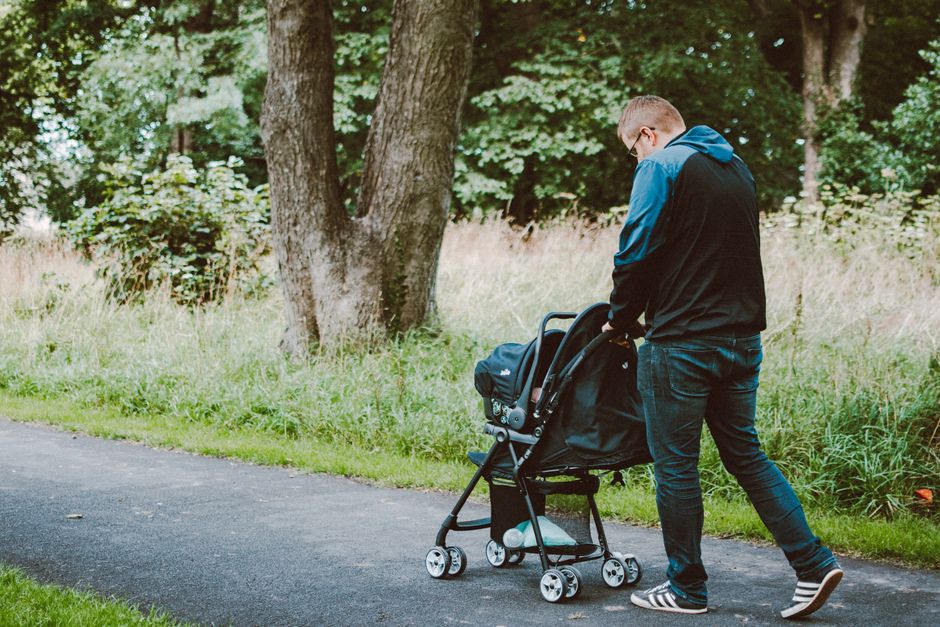
The landscape of parenting has undergone a seismic shift. The traditional view of a father as merely a financial provider has been replaced by a model defined by active participation, emotional intelligence, and presence. As men navigate this complex terrain, they are increasingly relying on digital support ecosystems to share experiences, access community, and prioritize their mental health.
Why Digital Support is Vital for Dads

Transitioning into parenthood can be isolating, especially when traditional support networks are hindered by geography, work commitments, or the stigma surrounding help-seeking behavior. Digital platforms, such as those developed by Dads Group and Movember, have dismantled these barriers by offering:
- Accessibility: Support is available regardless of location, from remote regions to busy urban centers.
- Informal Settings: Men are more likely to engage in non-clinical environments that feel like peer-to-peer conversations rather than therapy.
- Validation: Connecting with other fathers during the perinatal period reduces anxiety and builds confidence.
The Pillars of Effective Support
Successful fatherhood programs succeed because they mirror the natural ways men build rapport: through shared activity and mutual support. By integrating research from initiatives like the Plus Paternal project, these platforms address the specific psychological shifts men experience during the transition to fatherhood.
Key Benefits of Evidence-Based Support
| Feature | Impact on Fathers |
|---|---|
| Peer-to-Peer Connection | Reduces isolation and normalizes the struggles of early infancy. |
| Research-Led Content | Addresses the male-specific psychological transition to parenthood. |
| Hybrid Engagement | Combines digital convenience with the potential for real-world connection. |
Frequently Asked Questions
What are the 5 Pillars of Fatherhood?
While interpretations vary, the 5 P’s are generally defined as:
- Presence: Being emotionally available.
- Protection: Ensuring physical and emotional safety.
- Provision: Providing for material and developmental needs.
- Purpose: Guiding the child with clear intent.
- Patience: Maintaining calm during the trials of upbringing.
What are the common archetypes of fathers?
Sociologists often categorize fatherhood roles into behavioral patterns. Modern fatherhood encourages men to integrate the strengths of these roles while avoiding disconnection:
- The Provider: Focused on stability.
- The Teacher: Focused on skill-building.
- The Disciplinarian: Focused on structure.
- The Playmate: Focused on bonding.
- The Mentor: Focused on wisdom and guidance.
- The Partner: Focused on co-parenting equality.
The Future: A Hybrid Approach
The future of fatherhood support lies in a hybrid model. While digital tools act as the primary gateway for connection, they facilitate a transition toward sustained, long-term engagement. By normalizing the act of asking for help, we ensure that the next generation of fathers enters their role with greater resilience. Whether you are an expecting parent or navigating the teenage years, remember that the digital community is a powerful, accessible resource—you do not have to navigate this journey alone.