
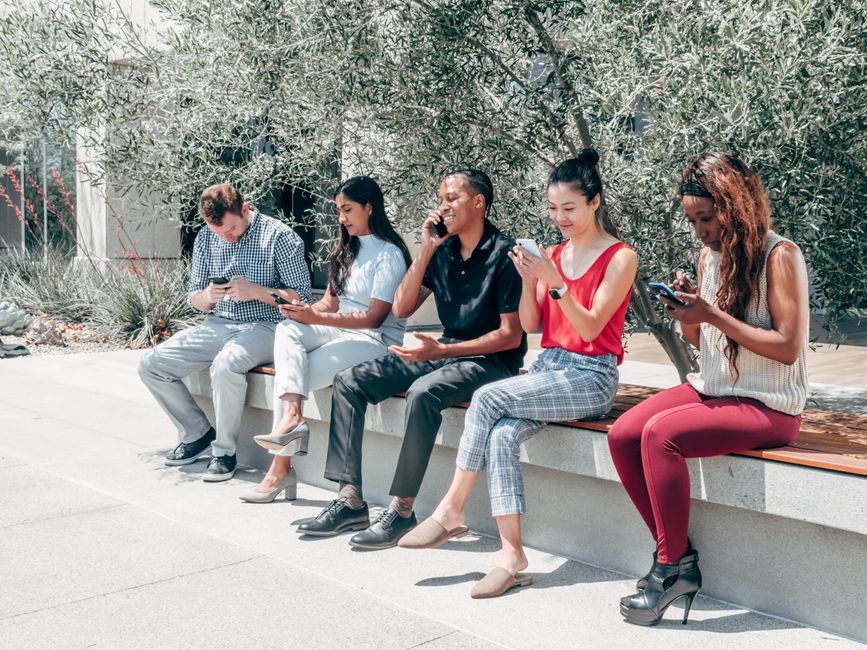
The landscape of advocacy has undergone a seismic shift as the digital age dismantles traditional gatekeeping, allowing grassroots voices to rise to the forefront of global discourse. For women, this transformation is more than just a technological upgrade; it is a fundamental reconfiguration of how movements are built, sustained, and scaled. While the social media revolution is reshaping feminism by providing a platform for intersectional storytelling, the most potent catalyst for change today is not the celebrity activist, but the micro-influencer. By cultivating intimate, trust-based communities, these women are proving that collective action does not require millions of followers to influence public policy, challenge societal norms, and redefine the core tenets of modern advocacy.
The Evolution of Advocacy: From Broad Strokes to Targeted Impact

To understand the current state of feminism and social media, one must first recognize how modern feminism vs old feminism differs in its execution. Traditional feminist movements often relied on centralized leadership, institutional partnerships, and mass-market media coverage to reach the public. While these methods were essential for securing legislative milestones, they often struggled to address the nuanced, daily realities of diverse groups of women. In contrast, modern advocacy is decentralized and hyper-specific. It focuses on lived experiences that often went ignored in the past, such as workplace microaggressions, digital harassment, and the intersection of racial and gender identity.
The Rise of the Micro-Influencer
Research indicates that micro-influencers—those with follower counts between 10,000 and 100,000—frequently generate higher engagement rates than their macro-influencer counterparts. This is because their social presence is built on authenticity and community rapport rather than broad-spectrum entertainment. For women-led movements, this presents a strategic advantage. A micro-influencer discussing reproductive healthcare, economic inequality, or body autonomy is not merely posting content; she is engaging in a dialogue with a community that views her as a peer. This creates a feedback loop where policy issues are translated into relatable, actionable goals, making the digital space a laboratory for social change.
Addressing the Challenges: Nuance in a Viral World

Despite the undeniable progress, it is critical to acknowledge the negative impact of social media on feminism. The digital sphere is frequently polarized, and the algorithmic nature of these platforms can reduce complex systemic issues into bite-sized, performative trends. When advocacy is prioritized for virality, the depth of the message can be lost, leading to a shallow understanding of what modern feminism is fighting for. Furthermore, the harassment of women who speak out online is a persistent barrier, often serving as a tool to silence dissent and discourage participation in public life.
Balancing Performance and Progress
The pressure to maintain a constant online presence can lead to burnout, and the commodification of feminist rhetoric can sometimes overshadow the tangible work being done on the ground. However, these challenges have also spurred a new form of digital literacy. Many women-led movements are now prioritizing education over engagement, using their platforms to host workshops, share resources, and connect followers with local organizations. This shift ensures that women are not just “liking” a post, but are becoming part of a sustainable, long-term advocacy infrastructure.
Examples of Feminism in the Media and Digital Spaces
The impact of these efforts is visible in various sectors, from the corporate boardroom to legislative halls. When we analyze examples of feminism in the media today, we see a clear departure from the passive portrayals of the past. Today’s media is increasingly shaped by women who use their platforms to critique media representation while simultaneously creating their own narratives. Below is a breakdown of how these digital efforts translate into different spheres of influence:
| Area of Advocacy | Traditional Approach | Micro-Influencer Approach |
|---|---|---|
| Policy Change | Lobbying and formal petitions | Digital mobilization and hashtag-driven awareness |
| Community Building | Physical town halls | Niche Discord, Slack, and private group chats |
| Education | Academic journals and lectures | Short-form video explainers and infographics |
| Resource Allocation | Large-scale NGO funding | Direct mutual aid and crowdfunding |
The Future of Women-Led Digital Movements
As we look toward the future, the integration of digital advocacy into everyday life will only deepen. The social media revolution is reshaping feminism by lowering the barrier to entry for activists who may not have the resources to launch large-scale campaigns. By leveraging the intimacy of micro-influencing, women are fostering movements that are more inclusive, more responsive, and harder to ignore. The goal is no longer just to reach the masses; it is to build a foundation of informed, active citizens who can carry the work of feminism from the digital screen into the physical world.
Frequently Asked Questions
What is the most significant benefit of micro-influencers in feminist movements?
The most significant benefit is the high level of trust and engagement they command. Because micro-influencers interact with smaller, more dedicated audiences, their advocacy feels personal and credible. This allows them to mobilize their followers more effectively for specific causes compared to macro-influencers who may reach a larger but less cohesive demographic.
Does the use of social media undermine the seriousness of feminist goals?
While social media can be criticized for promoting performative activism, it also serves as a vital tool for democratizing information. The seriousness of the movement is determined by the quality of the content and the actions taken off-screen. Many modern movements successfully use digital platforms as a launchpad for real-world policy work, proving that the medium does not inherently diminish the message.
How can women protect themselves from the negative impact of social media?
Protection involves a combination of digital literacy and boundary-setting. This includes curating one’s feed to filter out toxic discourse, utilizing privacy settings to mitigate harassment, and prioritizing offline community building. Recognizing that online advocacy is a marathon, not a sprint, is essential for long-term sustainability.
What is modern feminism fighting for in the digital era?
Modern feminism is fighting for a broad spectrum of equity, including intersectional representation, digital safety, bodily autonomy, and economic parity. The digital era has allowed these fights to become more global, connecting women across borders to share strategies and support one another in the face of local challenges.
Conclusion
The digital age has provided a new set of tools that, when used with intention, can accelerate the progress of gender equality. By moving away from the traditional, top-down models of the past and embracing the power of micro-influencing, women are creating more resilient and representative movements. While there remain clear risks regarding the negative impact of social media on feminism, the evolution of the digital landscape offers more opportunities for connection and impact than ever before. As women continue to master these digital platforms, the focus must remain on authenticity, community, and the persistent pursuit of systemic change. The social media revolution is reshaping feminism into something more dynamic, more inclusive, and fundamentally more powerful, ensuring that the voices of the future are heard clearly in every corner of the globe.