
The Rise of Grandparenting-as-a-Service

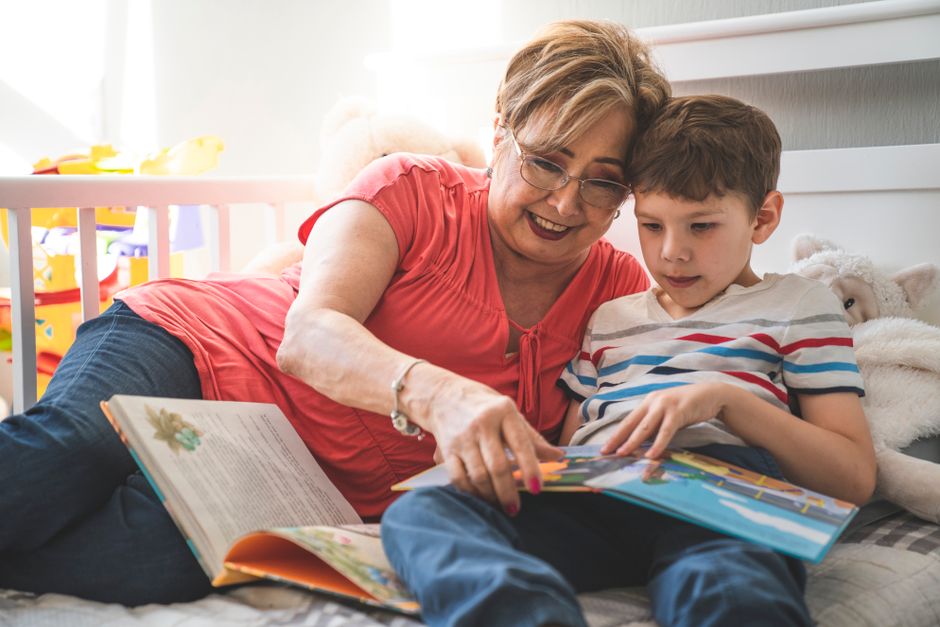
In an era defined by rapid technological shifts and evolving family dynamics, a significant trend is emerging: Grandparenting-as-a-Service. This model represents a structured, intentional approach to childcare where grandparents take on active roles to support working parents while fostering deep emotional bonds with their grandchildren. As modern life demands more from parents, bridging the generational gap has transformed from a sentimental goal into a practical necessity for family stability.
Understanding the Shift in Modern Care
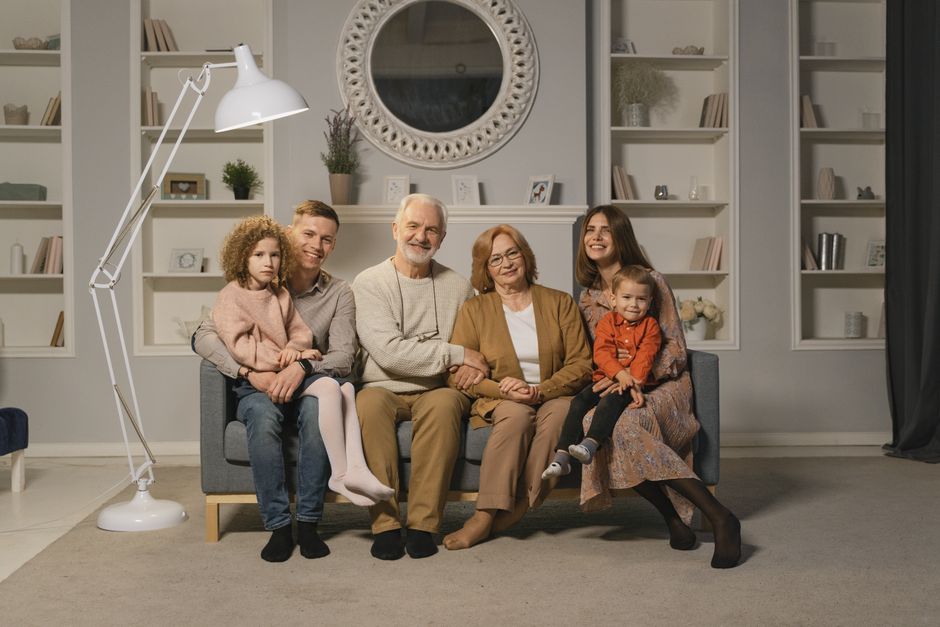
The concept of bridging the generational gap has evolved beyond occasional family gatherings. It now involves a symbiotic arrangement where seniors provide consistent mentorship and cultural transmission, while families gain the essential support they need. While the age difference between generations typically spans 20 to 30 years, the true generational gap is defined by the pace of change. Grandparents today are navigating modern parenting philosophies and digital landscapes, creating a unique opportunity for mutual learning.
The Benefits of Active Grandparenting
- Cognitive Stimulation: Active caregiving helps grandparents stay socially and mentally engaged.
- Child Development: Grandchildren benefit from a stable, loving environment that provides a strong sense of heritage and identity.
- Conflict Mitigation: By integrating into daily routines, grandparents replace potential friction with shared experiences and values.
Practical Strategies for Success
To successfully implement this model, families must prioritize clear communication and mutual respect. Bridging the distance between life stages requires intentionality, whether through shared hobbies or consistent daily routines.
Technology as a Connector
Technology should be viewed as a bridge, not a barrier. Engaging in a Generation Gap game—such as a collaborative video game, digital trivia, or shared photo-sharing apps—allows seniors to enter the digital world of their grandchildren, turning potential points of contention into bonding opportunities.
Formalizing Support
For those acting as primary caregivers, accessing professional resources is vital. Searching for a Grandparents as Parents Program can connect families with local support groups, legal assistance, and parenting workshops designed to help navigate modern educational and health systems.
Establishing Boundaries and Expectations
The service model is most sustainable when expectations are explicitly stated. Grandparents bring a unique emotional capacity and set of skills to the table, but they are not merely auxiliary parents. Establishing clear boundaries regarding discipline styles, specific care hours, and personal downtime ensures the arrangement remains a partnership rather than a source of burnout.
| Aspect | Traditional Grandparenting | Active Service Grandparenting |
|---|---|---|
| Involvement | Occasional/Holiday-based | Routine/Daily support |
| Communication | Casual/Conversational | Structured/Goal-oriented |
| Impact | Sentimental connection | Developmental/Practical support |
Frequently Asked Questions
What does it mean to bridge a generational gap?
It means intentionally creating connections between age groups, moving past assumptions about age-related behaviors, and finding common ground through open dialogue and mutual learning.
What is the golden rule for modern grandparents?
The golden rule is to offer support, not judgment. By respecting the parents’ autonomy and current parenting style, grandparents maintain a harmonious and essential role in the family unit.
How can I bridge the gap effectively?
Focus on active listening and shared experiences. Encourage children to teach grandparents about modern trends, while grandparents share family history and life skills. Engaging in collaborative activities like cooking or gardening creates a low-pressure environment for communication.
Conclusion
The Grandparenting-as-a-Service trend highlights the enduring importance of the extended family. By intentionally bridging the generational gap, families create a robust support system that enriches the lives of both the young and the old. Whether through formal programs or consistent daily interactions, the effort invested in these bonds provides significant dividends in family cohesion and emotional well-being.