

In an era defined by rapid technological advancement, the distance between children and the natural world has grown significantly. Coined by Richard Louv in his seminal 2005 book Last Child in the Woods, the term Nature-Deficit Disorder captures the behavioral, physical, and emotional consequences of this modern disconnect. As children spend more time tethered to screens, their exposure to the restorative power of the outdoors has plummeted. However, a creative solution is emerging at the intersection of technology and biology: the rise of forest bathing apps. By leveraging the digital habits of today’s youth, these tools are transforming the way children interact with the wild, turning a daunting excursion into an accessible, gamified adventure.
Understanding the Practice of Shinrin-yoku

At its core, forest bathing is the translation of the Japanese practice known as shinrin-yoku, which literally means taking in the forest atmosphere. It is not about hiking for exercise or reaching a specific destination; rather, it is a sensory-based practice of mindful immersion. When participants enter a forest, the goal is to engage all five senses—listening to the rustle of leaves, feeling the texture of bark, and inhaling the phytoncides, or wood essential oils, emitted by trees. Scientific research has consistently shown that this practice lowers cortisol levels, reduces blood pressure, and significantly boosts immune function. For growing bodies and developing minds, this physiological reset is an essential antidote to the high-stress, high-stimulation environments of the classroom and the living room.
Bridging the Gap Between Screens and Soil
For many families, the idea of simply walking into the woods can feel uninspiring to a child who is used to the instant gratification of digital entertainment. This is where the modern nature app becomes a bridge rather than a barrier. By utilizing gamification, augmented reality (AR), and interactive scavenger hunts, these applications meet children where they are. Instead of viewing screen time as the enemy of nature, these hybrid experiences use the device as a guide. When a child uses an app to identify a specific leaf or track animal footprints through an AR overlay, the screen becomes a tool for discovery rather than a source of distraction. The goal is to eventually put the device away, but for many, the app provides the initial motivation required to step outside the front door.
How Forest Bathing Apps Enhance Outdoor Engagement
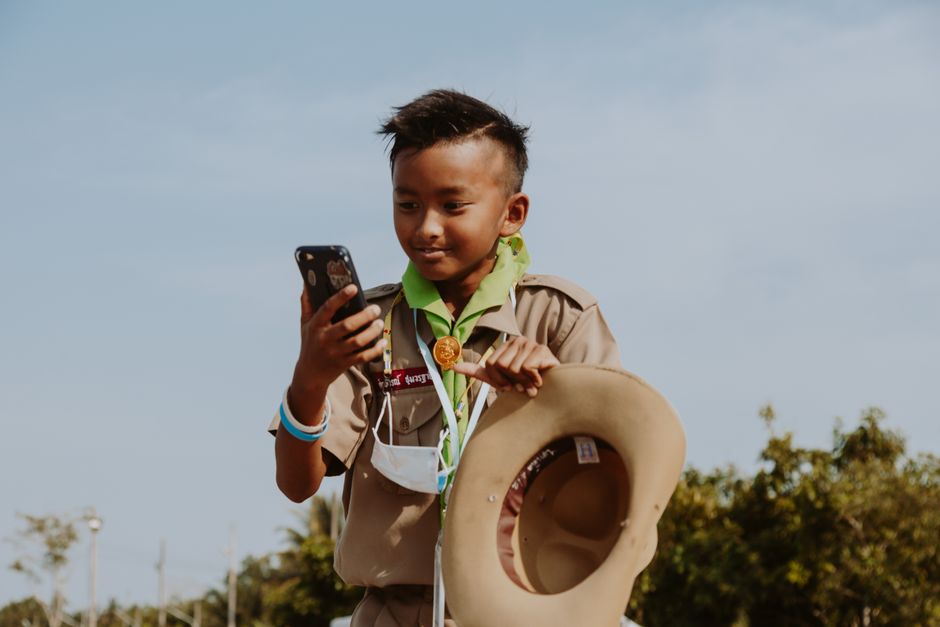
The effectiveness of these digital tools lies in their ability to provide structure to unstructured environments. Many children find the vastness of the outdoors intimidating or “boring” because they lack the knowledge to interpret what they see. Apps change this dynamic by providing educational prompts and objectives that encourage deep observation.
Gamification and Digital Scavenger Hunts
Gamification is perhaps the most powerful feature in these applications. By turning a walk in the woods into a quest, apps encourage children to look closer at their surroundings. Whether it is a bingo-style board of local flora or a challenge to find five different shades of green, these features keep participants engaged for longer periods. When the forest becomes a playground for exploration, the time spent outdoors increases, and the “deficit” begins to close.
Augmented Reality as a Learning Tool
Augmented reality allows children to see the forest in a new light. Some apps allow users to point their cameras at a tree to instantly receive information about its species, age, or role in the local ecosystem. This interactivity turns a passive walk into an active, science-based investigation. By fostering a sense of curiosity, these apps help children develop a personal connection to the environment, which is the first step toward environmental stewardship.
| Feature | Traditional Nature Walk | App-Assisted Forest Bathing |
|---|---|---|
| Engagement Level | Often low without guidance | High due to interactive goals |
| Skill Development | Observation-based | Analytical and observation-based |
| Primary Barrier | Boredom or lack of focus | Initial resistance to leaving screens |
| Outcome | Physical activity | Physical activity plus mental restoration |
The Science of Hybrid Experiences
There is a growing body of evidence suggesting that the “hybrid” approach—using technology to facilitate nature experiences—is a valid and effective strategy for modern families. While traditionalists might argue that screens have no place in the forest, the reality is that many children require a transitional tool to bridge the gap. Research indicates that when technology is used to interpret the environment, the duration of outdoor play typically increases. Once the child is successfully immersed in the forest, the app often becomes secondary. The sensory experience of the wind, the smell of the damp earth, and the quietude of the trees eventually take over, providing the restorative benefits that define shinrin-yoku.
Addressing the Nature-Deficit in Daily Life
To combat nature-deficit effectively, consistency is key. It is not enough to visit a forest once a year; the practice must be integrated into a child’s routine. Forest bathing apps provide the necessary prompts to make this a habit. By setting notifications that suggest a “mindful moment” or providing new challenges each weekend, these apps ensure that nature remains a priority in a busy family schedule. This consistency helps children learn to regulate their own stress levels, providing them with a lifelong tool for emotional health.
Frequently Asked Questions
Is it okay for children to use their phones while in the forest?
While the goal of forest bathing is to disconnect, using a phone as a guided learning tool is a helpful first step for children who are not used to being outdoors. The key is to ensure the app is used to enhance observation, not to distract from the experience.
At what age can a child start practicing forest bathing?
Children of all ages can benefit from time in nature. For younger children, apps can provide simple visual scavenger hunts, while older children can engage with more complex identification tools and AR features.
How long should a forest bathing session last?
There is no strict rule, but even 20 to 30 minutes of mindful immersion can have a measurable impact on a child’s stress levels and attention span. The quality of the engagement is far more important than the duration.
Do I need specialized equipment for forest bathing?
One of the greatest benefits of this practice is its accessibility. Aside from a smartphone with a nature app, you only need comfortable clothing and a willingness to explore. No special gear is required to reap the health benefits of the woods.
Conclusion
The challenge of reconnecting the next generation with the natural world is significant, but it is not insurmountable. By embracing the tools that define their generation, we can help children navigate the path back to the woods. Forest bathing apps do not replace the experience of nature; they curate it, making the vast, complex beauty of the forest accessible to a generation that has grown up behind glass. As these participants learn to engage with the environment through a blend of technology and mindfulness, they gain more than just a passing interest in the outdoors. They cultivate a sanctuary—a place where they can escape the pressures of digital life and find genuine restoration in the quiet, healing embrace of nature. By bridging the screen-to-soil divide, we are not just curing a deficit; we are planting the seeds for a healthier, more grounded future.